Britain readies final budget before May general election
Chancellor of Exchequer vows to stick to economic plan with "no gimmicks"
London
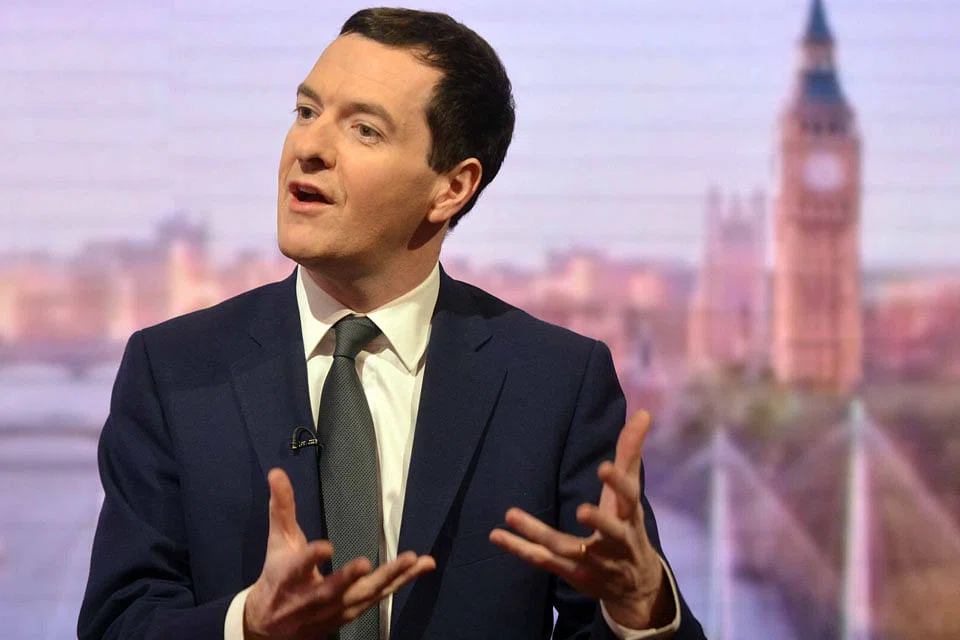
BRITAIN'S coalition government presents its final budget on Wednesday, with finance minister George Osborne vowing to stick to his economic plan with "no gimmicks" before a knife-edge general election.
Mr Osborne, a key centre-right Conservative member of the coalition that includes the centrist Liberal Democrats, will deliver his sixth annual budget as opinion polls suggest a tight race against the opposition left-leaning Labour party.
"This budget is all about securing a truly national recovery," Mr Osborne told the BBC over the weekend. "So, no giveaways, no gimmicks - a budget for the long term."
Reports suggest the budget will contain perks for older voters - allowing pensioners to swap regular retirement incomes for cash lump sums.
Another popular move will be a so-called "Google tax" on companies that shift profits overseas. Mr Osborne is also expected to flesh out plans to boost investment in transport infrastructure, particularly in northern England.
The offshore energy sector - a precious source of tax revenues - has also called for "urgent action" to boost North Sea exploration, which hit a 50-year low last year on the back of slumping oil prices.
Conservative Prime Minister David Cameron's government has enjoyed a solid economic recovery since it came to power in May 2010, despite painful austerity cutbacks which Labour leader Ed Miliband says have damaged the economy, hurt the poor and increased inequality.
The government insists, however, that its austerity policies were necessary to slash a record deficit that it inherited from the previous Labour administration.
"Everything we do in this budget has to be paid for," said Mr Osborne, whose official title is Chancellor of the Exchequer. "This country got itself into trouble with unfunded promises, massive borrowing, spending was out of control."
Britain's economy grew last year by 2.6 per cent, which was the fastest annual pace since before the financial crisis, despite worries about the uncertain outlook in top trading partner the eurozone and also in China.
That marked an acceleration from 1.7-per cent expansion in 2013 in Britain, which has benefited from record-low 0.50-per cent interest rates for six years.
Most economists agree, however, that more austerity is on the horizon whatever the outcome of the election.
Some pundits predict either the Conservatives or Labour will end up forming another coalition with the Liberal Democrats or the pro-independence Scottish National Party (SNP).
"The looming general election and party political posturing - rather than the UK's shaky fiscal fundamentals - will shape the content and tone of the 2015 budget," said Royal Bank of Scotland economist Ross Walker. "Any detail on the politically unpalatable mix of deep spending cuts and broad-based tax rises required to eliminate the UK's large structural fiscal deficit will be lacking."
With just two months to go until the election, Mr Cameron is campaigning on his economic track record, while Labour argues that growth has failed to improve living standards and says that the government has caused a cost of living crisis. AFP