

Britain’s inflation fears can be found in its pubs and cafes
Services inflation has been running at an average of 4.5 per cent over the last 12 months
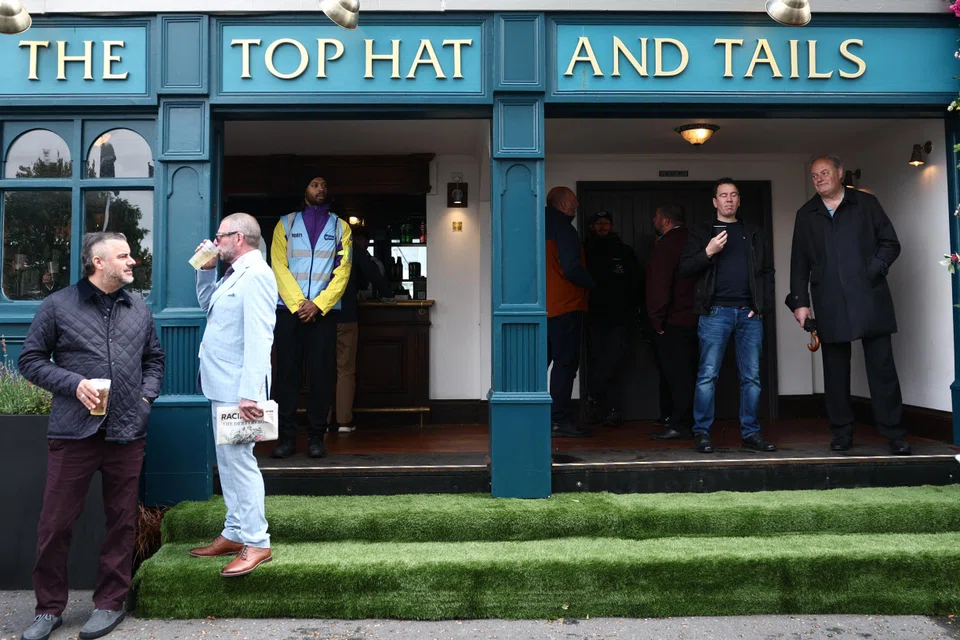
BRITONS’ enduring appetite for dining out, movies and other indulgences is giving services companies the power to keep raising prices, creating a headache for inflation-fighters at the Bank of England.
In the aftermath of the pandemic, goods were the main source of inflation in the UK as supply disruptions and pent-up demand lifted prices of everything from cars to computers. Now, however, people have shifted from buying things to doing things.
While inflation in core goods is running at just 1.1 per cent a year, pubs, cinemas, restaurants and hair salons continue to get away with price rises of over 4 per cent — more than double the BOE’s overall inflation target.
Such punchy increases are allowing many services firms to cope with higher taxes, minimum-wage hikes and stricter employment rules, long after economists thought they would run into consumer resistance. The worry is that they can use that pricing power to shift some of the Iran war impact onto consumers, turning the BOE’s fears of second-round effects into reality.
“Holidays and leisure have become almost non-negotiable for many households, even when finances are under pressure,” said Richard Lim, chief executive officer of Retail Economics.
Households are increasingly prioritising going out and wellness over furniture or jewellery, and are willing to pay.
Office for National Statistics figures show that families spent more in real terms on services last year than before Covid, while spending on goods remains below 2019 levels.
Bruna Skarica, chief UK economist at Morgan Stanley, had expected inflation in the hospitality sector to ease closer to 4 per cent. Instead, companies trying to defend profits margins are showing they can make big price increases stick.
“If these companies have high pricing power, they’ll have healthier margins, they’ll be able to provide healthier pay settlements, and then you have a cycle of second-round effects playing out,” Skarica said.


Firms’ ability to raise prices is set to deepen divisions among BOE officials over whether to lift interest rates.
Some such as chief economist Huw Pill worry that companies will pass on higher energy and raw-material costs triggered by the Middle East conflict, while others including Governor Andrew Bailey appear more concerned about weak demand.
Investors expect rates to remain unchanged at 3.75 per cent when the BOE announces its next policy decision on June 18, but are fully pricing in one increase this year and see a second as a strong possibility.
Consumers are starting to get used to faster price rises. Services inflation has been running at an average of 4.5 per cent over the last 12 months, keeping overall price growth too hot for comfort. Inflation dropped below 3 per cent in April for the first time in over a year but the relief is expected to prove temporary.
Recent McKinsey & Co. research shared with Bloomberg shows that UK consumers are planning to cut back more on discretionary goods than services over the next three months.
To be sure, Britons are still making compromises, from fewer coffee-shop visits to skipping extras. And while relatively resilient demand is helpful for services, these businesses are only managing a “slow squeeze,” according to Raoul Ruparel, senior director at BCG’s Centre for Growth.
However, in a sign of confidence, Marston’s Plc is expanding its sports-focused Grandstand pub format, with plans to roll it out to as many as 250 pubs. CEO Justin Platt said the venues attract more frequent visits and higher spending.
Pubs also benefit from the “lipstick effect,” a term coined by Leonard Lauder, the late chairman of Estee Lauder, to describe how consumers replace big purchases with small treats in turbulent times.
“Things that are more experiential are winning,” said Sara Hudson, a partner at McKinsey. BLOOMBERG
Decoding Asia newsletter: your guide to navigating Asia in a new global order. Sign up here to get Decoding Asia newsletter. Delivered to your inbox. Free.
Share with us your feedback on BT's products and services
TRENDING NOW

World’s largest offshore wind platform by Seatrium consortium on track to be completed by 2028

Is stamp collecting enjoying an analogue revival or are its best days over?
GovTech retrenches another 38 staff in second round of layoffs
MBS adjusted property Ebitda falls 20.6% in Q3 with fewer high-roller visits, weaker hold

