

British Cabinet discord and Brexit jitters playing into hands of EU hardliners
Turmoil opens possibility of hard-left Labour govt; meanwhile, growth has halved and inflation jumped
London
DISUNITY in the British Cabinet and uncertainty about UK Brexit negotiations are playing into the hands of EU hardliners and generating uncertainty for local and foreign investors.
The basic argument within the Cabinet - while the prime minister is on vacation - is between ministers who favour a soft line towards the EU negotiators and those who fear that "appeasement" will discourage EU nations from accepting compromise.
The main worry for local and foreign businesses is that the fight within Cabinet and the party, is politically, disastrous for the Tories.
With Premier Theresa May weakened without a parliamentary majority and ministers seeking her job, no-confidence motions could pave the way towards another election, business people fear.
A recent YouGov poll indicates that there is a possibility of a hard-left Labour government in a potential alliance with the Liberal Democrats and other parties.
Illustrating that the political uncertainty is bad for business, the economy is hovering on stagflation. UK quarterly growth has halved from last year's level to 0.3 per cent and inflation has jumped to 2.6 per cent from 0.6 per cent. The government deficit is 3 per cent of GDP and the debt to GDP, is an uncomfortable 89.3 per cent.
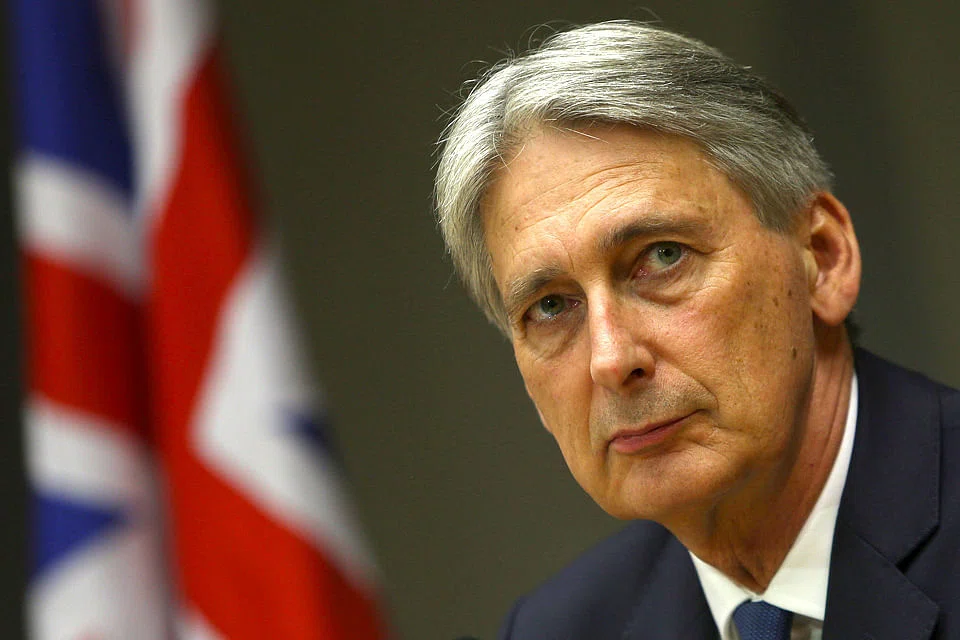
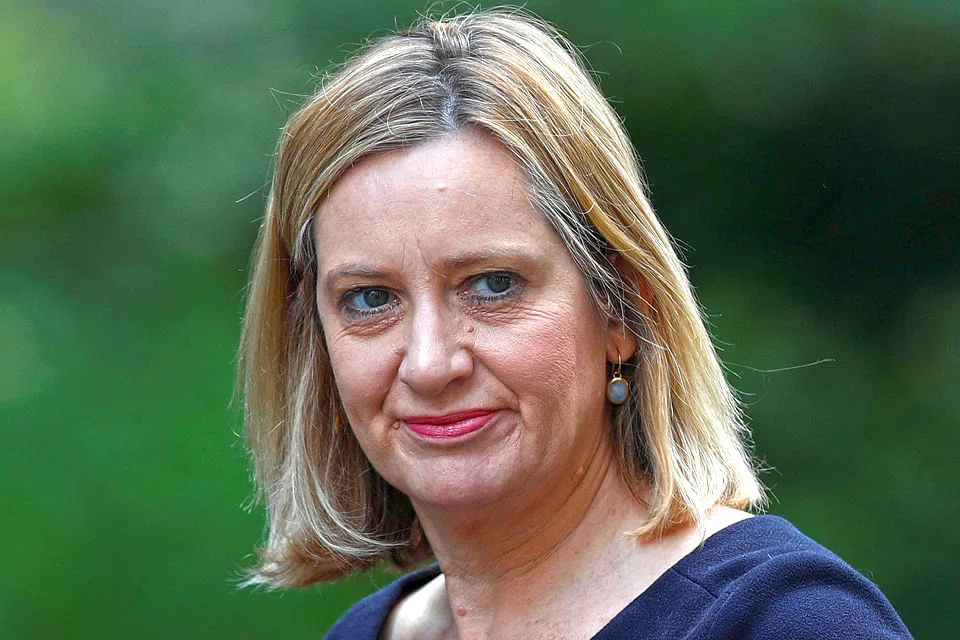
Out of 22 Cabinet ministers, only six were in support of Brexit ahead of the June 2016 referendum. Chancellor Philip Hammond and Home Secretary Amber Rudd who backed "remain", are taking advantage of potential support from ministers who prefer to stay in the EU.
They are promoting a soft Brexit, notably that the UK keep within the EU common market and Customs union for an extended three years after the official Brexit date in March 2019.
If such a policy is accepted by the 27 EU nations, the UK will have to accept free movement of labour, the European Court of Justice, EU regulations and sizeable contributions to the EU budget.
Brexit Secretary David Davis, Foreign Secretary Boris Johnson, Trade Secretary Liam Fox and three other Cabinet ministers contend that the 17 million who voted to leave would be annoyed with such a policy.
Large numbers of working class Britons, who voted for Brexit, are concerned about high levels of immigration, they say. In particular Brexit voters fear the surge in migration from wartorn Syria and parts of North Africa.
"Unregulated" free movement of EU migrants "would seem to me not to keep faith with the (referendum) decision", Mr Fox said. He and other ministers and MPs contend that the show of disunity and disclosure of negotiating positions ahead of Brexit negotiations, could end in a worst possible deal for the UK.
"We have senior ministers now putting forward in public what appears to be a negotiating position that should be done behind closed doors," said David Jones, a former Brexit minister.
Indeed, before her disastrous election result, Mrs May deliberately stated that "no deal is better than a bad deal" to concentrate EU negotiators' minds. The tactic was that a British walkout would be bad for both sides, so EU hardliners would decide that compromise was the better option.
Optimists are saying that the UK can come good if it negotiates trade deals with the US, China and India, once it leaves the Customs union.
"As we move towards Brexit, forging trade links elsewhere makes sense," wrote Liam Halligan, an economic commentator.
"Helping UK exporters sell into the 80 per cent-plus of the global economy outside the EU sends a powerful signal . . . An agreement with the US, the world's biggest economy would be a good start."
TRENDING NOW
Singapore expects all parties to honour commitments, says PM Wong after Indonesia cuts gas exports
Gas Supply may pursue remedies if contract breached following Indonesia’s export cuts: Tan See Leng

SoftBank’s Son plans US$50 billion Malaysia tech outlay: Anwar Ibrahim

Is Manila Asia’s new dining hot spot?

