
British factories more optimistic as threat of deep recession eases
 Add BT as a preferred source
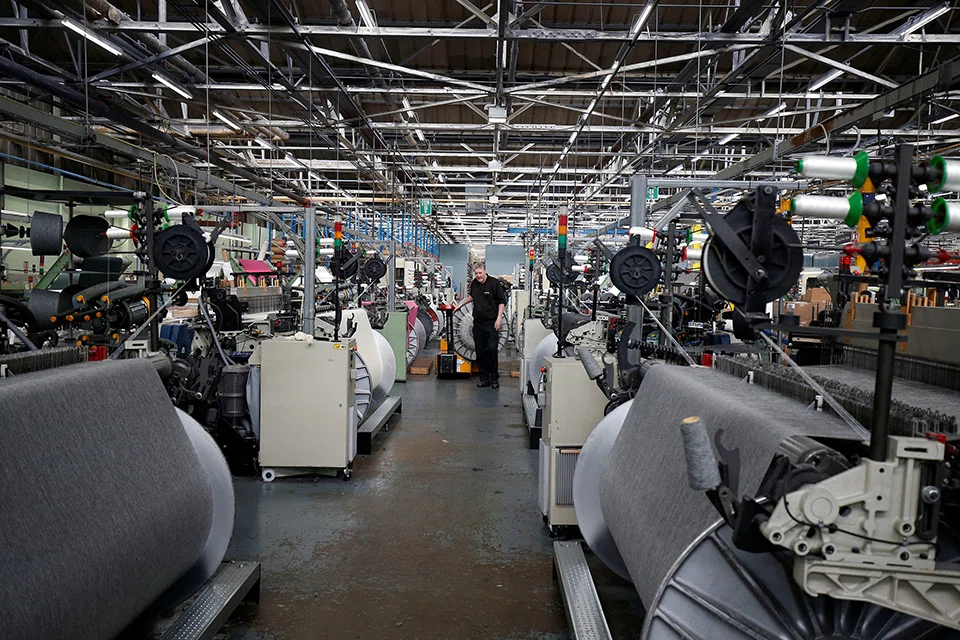
BRITISH factory activity contracted last month at the slowest pace since July and 60 per cent of manufacturers expect output to rise in the coming 12 months, reflecting cooling inflation pressure, a survey showed on Wednesday (Mar 1).
The S&P Global/CIPS UK monthly manufacturing Purchasing Managers’ Index (PMI) rose to 49.3 in February from 47.0 in the previous month, still below the 50 threshold for growth.
Provisional “flash” PMI data published last week had pointed to a slightly smaller rise to 49.2.
Some indicators of Britain’s economic prospects, especially in the services sector, have improved unexpectedly over the last month or so, reducing the threat of a deep and lengthy downturn.
For now though, conditions remain challenging for manufacturers.
New orders contracted for the ninth month, reflecting the hit from the cost of living crisis and weak demand from clients abroad, especially in key markets such as mainland Europe, the United States and China, S&P Global said.
Navigate Asia in
a new global order
Get the insights delivered to your inbox.
But the rate of decline in new export business slowed to an 11-month low amid stabilising global economic conditions and the positive impact of China reopening.
Overseas demand for British investment goods increased at the fastest pace since the end of 2021.
There were also signs that the worst of the inflation surge has passed with the PMI’s gauge of input price rises falling to the lowest level since July 2020.
The Bank of England signalled in February that it was close to ending its run of interest rates hikes as it attempts to tame inflation, currently running at 10.1 per cent, back to its 2 per cent target.
Members on the Monetary Policy Committee raised rates from 3.5 per cent to 4 per cent, and markets expect interest rates to peak at 4.5 per cent in June.
A final PMI survey of Britain’s dominant services sector is due to be published on Friday. REUTERS
Decoding Asia newsletter: your guide to navigating Asia in a new global order. Sign up here to get Decoding Asia newsletter. Delivered to your inbox. Free.
Share with us your feedback on BT's products and services

