Business leaders push tech agenda at China’s ‘Two Sessions’
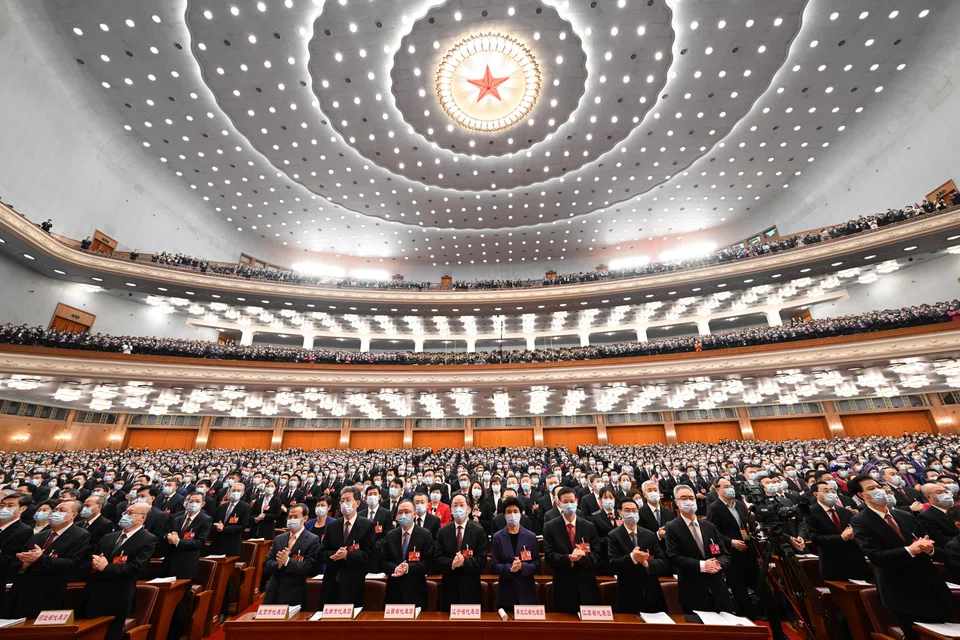
VEHICLE data security, aviation biofuel and incentives for rural people to buy new-energy vehicles (NEVs) are among the items on the agenda at this year’s “Two Sessions” in Beijing, as proposals trickle out from China’s captains of industry about what the government should focus on in 2023.
Every year, tech industry heavyweights are among the delegates and representatives at the meetings of China’s top legislative and political advisory bodies who make proposals and lobby for their vision of the country’s development.
Smartphone-maker Xiaomi, oil refinery Sinopec Zhenhai Refining & Chemical and conglomerate Shanghai JuneYao Group were among the first cabs off the rank at the meeting, which began at the weekend.
Strengthening auto data security
In a proposal submitted on Saturday (Mar 4), Xiaomi chief executive officer Lei Jun suggested that the government should continue to improve its auto data security management system, because geographic and personal information collected by cameras, radars and other locating devices installed in Internet-connected vehicles will endanger privacy and national security if they are not handled properly.
It comes almost two years after news emerged that cars made by Tesla had been banned from some Chinese military complexes and residences because of concerns about sensitive data being collected by cameras in the vehicles, forcing the Elon Musk-helmed American electric vehicle-maker into damage control.
Lei – who is also a delegate to the National People’s Congress (NPC), China’s top legislature – said that to achieve the goal, an increased effort to establish safety standards and sharing mechanisms for data generated by vehicles is needed.
If his proposal is accepted by the government, it will be supplementary to the Data Security Law and the Personal Information Protection Law, which came into force in 2021 on Sep 1 and Nov 1, respectively.
In early 2021, Xiaomi, best known for making smartphones and home appliances, made inroads into EV manufacturing. The company plans to invest US$10 billion in the new business line over the next decade and start mass-producing its first car in the first half of next year.
The entrepreneur also called on the government to support the formation of industry chains for humanoid robots, which he said would spur the development of industries related to smart manufacturing and information technology.
Accelerating commercial use of aviation biofuel
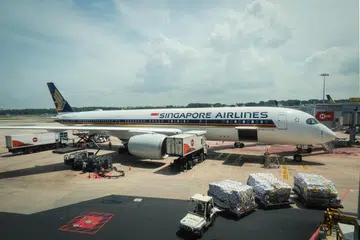
On the eve of the “Two Sessions”, Mo Dingge, chairman of Sinopec Zhenhai, suggested the government implement policies to support the broader use of aviation biofuel, which is made from discarded cooking oil, animal fat, plant oil and municipal solid waste.
The more eco-friendly fuel will help cut airplane carbon emissions by at least half, he said, without giving further details.
Mo, who is also an NPC delegate, proposed that the government should make a medium- and long-term development plan to phase in the commercial use of aviation biofuel for certain airports or flight routes.
Various investment vehicles would be needed, he added, to boost funding within the industry and create an ecosystem which would include discarded oil recyclers, aviation biofuel manufacturers and sellers, aircraft-makers, and carriers.
Sinopec Zhenhai operates a facility that can produce 100,000 tons of aviation biofuel a year, said Mo, claiming its capacity is unrivalled in Asia.
Airline companies such as China Eastern Airlines and Hainan Airlines Group have run test flights using the biofuel, although no carrier has set a timetable for commercial use of the fuel, according to Mo.
Mo’s proposal chimes with China’s “dual carbon” goals of peaking carbon emissions by 2030 and being carbon neutral by 2060.
Promoting NEV sales in rural areas
Meanwhile, JuneYao Group chairman Wang Junjin focused on promoting sales of NEVs in China’s rural areas. JuneYao operates JuneYao Airlines, but is also involved in financial services, consumption, education, and technological innovation, and last month moved into the NEV manufacturing industry in partnership with a lesser-known NEV-maker named Yudo Auto.
In his capacity as a member of the country’s top political advisory body of the Chinese People’s Political Consultative Conference, Wang nudged the government to design favourable policies such as consumer subsidies and new car registration and tax exemptions for buyers based in rural areas.
He framed the suggestion as being part of efforts to fight air pollution and revitalise villages.
In his proposal, Wang also emphasised the need for private investment in projects building public charging piles and battery-swapping stations in rural areas, and suggested the government guide commercial banks to design more lending services for NEV buyers and fast-track the loan approval procedure. CAIXIN GLOBAL