
Private healthcare players upbeat as China hospitals ease rules on foreign ownership, but challenges abound
Significant investments are needed for these hospitals to make returns, observers say

THE Chinese government’s recent move to allow foreign healthcare players to wholly own hospitals in certain regions will offer flexibility and more avenues to players hoping to harness growth in China.
However, significant investment in areas such as funding and talent will be required before these hospitals will be able to make returns for investors, said observers. The quality of foreign operators that come to China will also be crucial for the development of the sector.
China announced in September that it would permit wholly owned foreign hospitals to be set up in nine trial regions – Beijing, Tianjin, Shanghai, Nanjing, Suzhou, Fuzhou, Guangzhou, Shenzhen and Hainan – aimed at diversifying medical services for locals and foreigners.
Foreign players welcomed the policy, although they noted that the Chinese healthcare market is not entirely untapped by non-domestic operators.
China’s state news agency Xinhua in November noted that China has allowed joint ventures between local and foreign companies. There are more than 60 foreign-invested joint-venture medical institutions in China.
Several South-east Asian players – including Singapore-listed companies Raffles Medical Group and IHH Healthcare – already have a presence there, through such ventures.
Raffles Medical’s China healthcare deputy managing director Phua Tien Beng said the new policy “affords greater flexibility when considering any new investment (in China)”.
“The relaxation of ownership rules, which enable foreign investors to fully own the hospital, is useful when there is no appropriate partner available,” he said. The group opened its first Chinese medical centre in Shanghai in 2010, and now runs institutions including three hospitals in Chongqing, Beijing and Shanghai.
IHH Healthcare North Asia regional chief executive Kenneth Tsang said the policy brings opportunities for the group to “enhance (its) ability to meet the evolving healthcare needs of the people in China”.
SEE ALSO






The integrated healthcare provider, which entered the market in 2004, has two hospitals and some medical centres in China and Hong Kong.
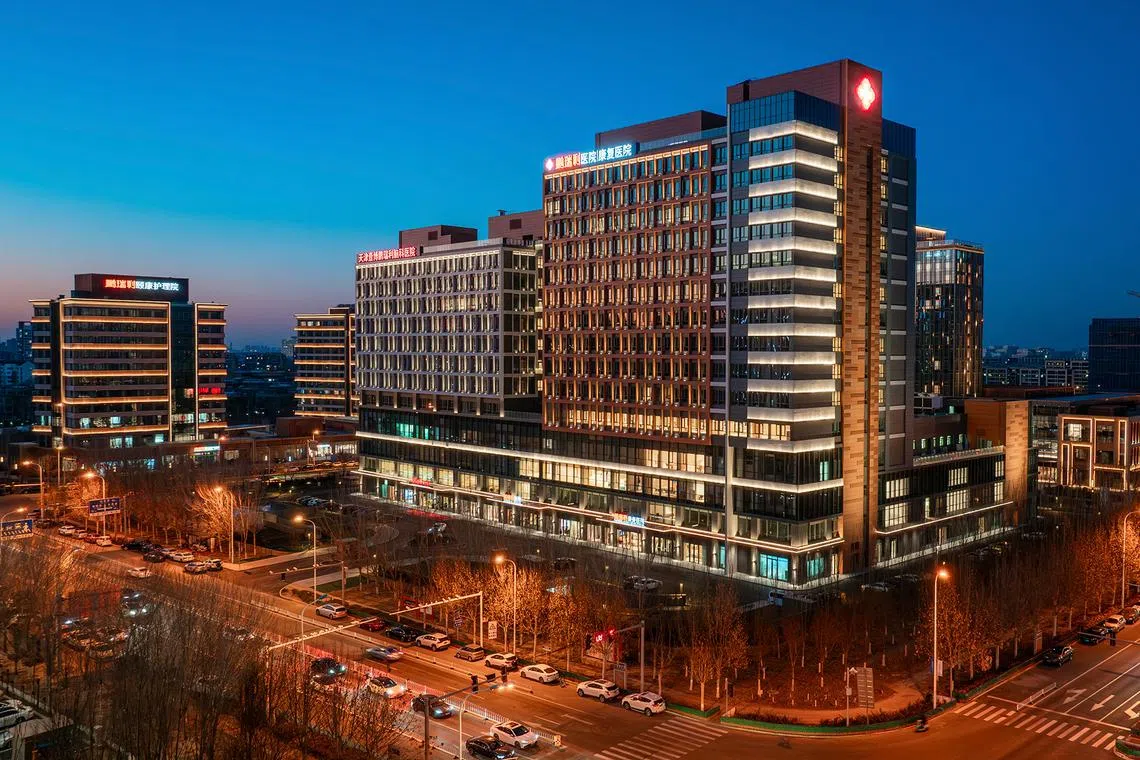
Meanwhile, integrated real estate and healthcare player Perennial Holdings has announced that it will open China’s first entirely foreign-owned hospital in Tianjin, after the 500-bed Perennial General Hospital Tianjin passed a hospital inspection by Tianjin’s Municipal Health Commission and obtained a medical institution practice licence.
Perennial’s executive chairman and chief executive Pua Seck Guan said: “This forward-looking policy sends a strong positive signal to the international investment community, boosts confidence for investors keen on China’s healthcare space and drives foreign investments and foreign-local collaborations, given the growth prospects of China.”
Navigating the rules
While the policy has relaxed the ownership of these hospitals, the change comes with a host of rules and regulations, announced in November, in order to supervise these medical institutions.
For instance, these hospitals’ information management systems should be linked to the local supervision platform, and their servers storing electronic medical records and information on medical equipment should be located in China to ensure the security of such information.
Julie Xu, senior healthcare analyst at market intelligence provider FrontierView, highlighted that some challenges may arise from these regulations.
For example, companies will have to look into technical solutions to adhere to the rule of keeping medical data in China.
Another issue could stem from wholly foreign-owned hospitals requiring at least 50 per cent Chinese employees, as attracting top talent from China’s public hospitals will be tough, she said.
Dr Kathy Shi, founder and chief executive of Shanghai-based medical service provider SinoUnited Health, said: “Large-scale employment of foreign doctors in China is unrealistic, so building a localised medical team remains key to (a) hospital’s success.”

Healthcare services generally require significant investment in both funding and talent, and the long-term nature of such investments “places considerable demands on investors”, she added.
“Achieving substantial short-term returns after establishing a hospital is highly challenging. A good hospital requires time to build its reputation and capabilities.
“While a lack of funds makes opening a hospital difficult, having funds alone does not guarantee the creation of a high-quality hospital,” she said.
Raffles Medical’s Phua said that China is a “huge and deep market”, but it is also a difficult one, with medical practices and healthcare norms different from other regions, including South-east Asia.
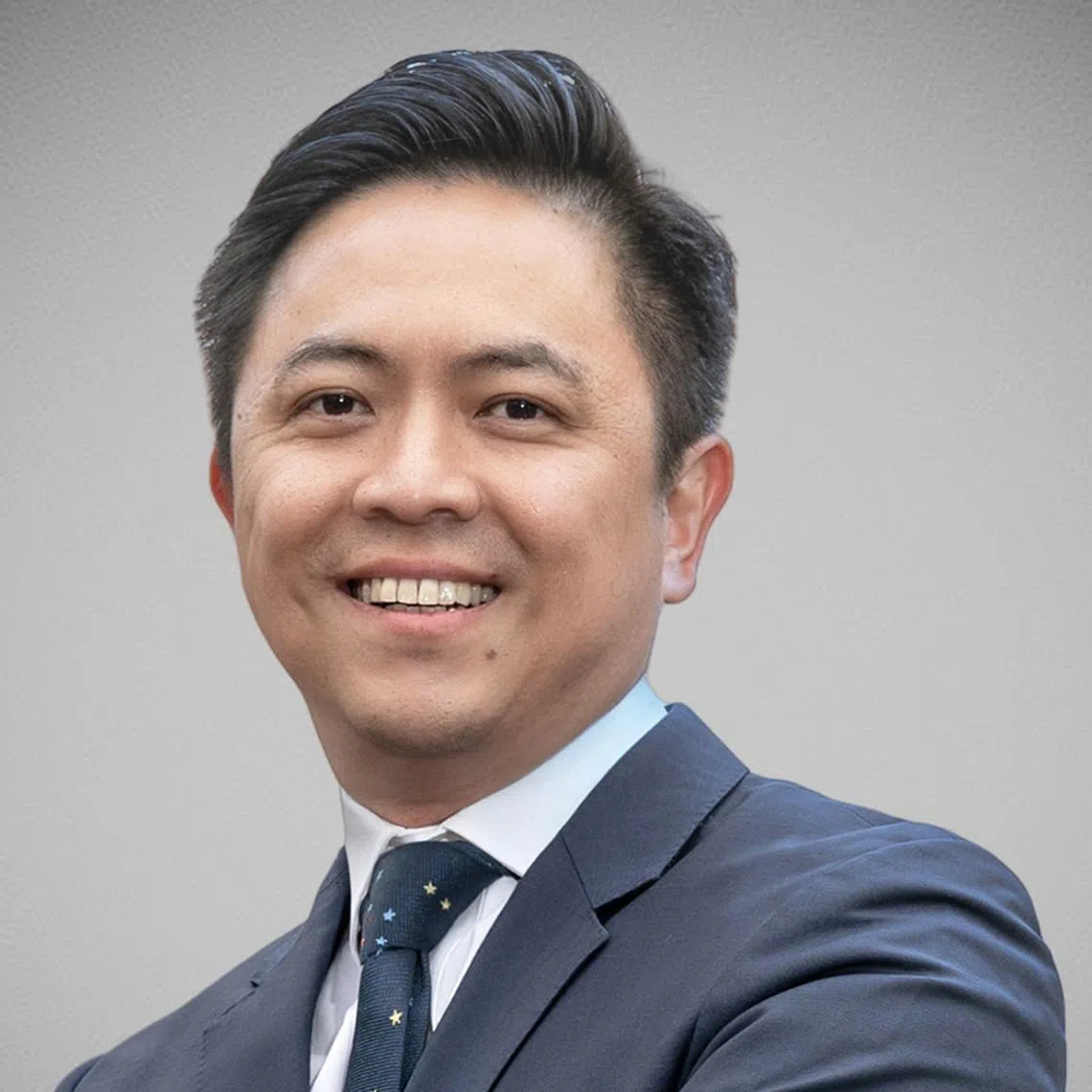
“Problems facing all investors (in China’s healthcare sector) include availability of adequate good physicians, nurses, healthcare managers and supporting staff; regulations based on local hospital norms and practices; and the unavailability of some drugs and devices normally available in South-east Asian countries,” he said.
FrontierView’s Xu said South-east Asian players who are unfamiliar with the Chinese market may still adopt a wait-and-see approach before considering entering the market.
“Success in China requires a close local network, particularly for dealing with reimbursement and regulatory frameworks,” she said.
Benefits
Despite the challenges, the policy is a positive step forward for private healthcare players who want to tap the Chinese healthcare market.
IHH’s Dr Tsang said that China has long been open to international participation, and the policy is a clear indication that China is committed to “further liberalising and modernising its healthcare sector”.
“We see this as a positive sign, and our continued investments and expansion plans in China reflect our confidence in the market’s potential for growth and innovation,” he said. The group is launching a 7,000 square metre ambulatory care centre in Shanghai for outpatient and day surgery services in 2025.
SinoUnited Health’s Dr Shi said: “China’s healthcare industry has reached a certain level of development, and the focus now should be on advancing its business models and global influence.”
Therefore, the types of wholly foreign-owned hospitals that come to China could be key.
“If truly world-class hospitals enter the market, bringing advanced management and commercialisation expertise, they can benefit the industry as a whole.
“But if it’s merely capital entering the field, these institutions may face significant challenges in their own development, with industry-wide benefits likely to be a longer-term consideration,” she added.
Raffles Medical’s Phua believes the addition of wholly foreign-owned hospitals will give rise to more medical facilities with different models of care and price points.
“Over time, market forces will work to differentiate the different hospitals and truly good-quality providers should prevail,” he said.
Decoding Asia newsletter: your guide to navigating Asia in a new global order. Sign up here to get Decoding Asia newsletter. Delivered to your inbox. Free.
Copyright SPH Media. All rights reserved.