China bans exports of dual-use items to Japan military users
The curbs mark the latest move in a pressure campaign after PM Sanae Takaichi’s remarks on Taiwan
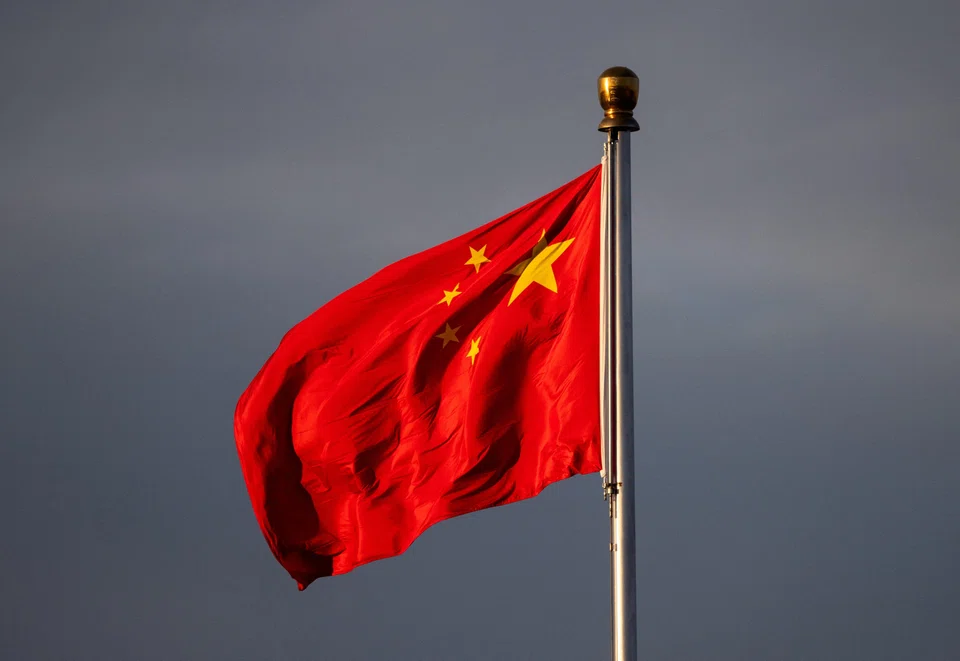
[BEIJING] China imposed controls on exports to Japan with any military use, intensifying a dispute between Asia’s top economies over remarks Japanese Prime Minister Sanae Takaichi made last year on Taiwan.
All dual-use items are banned from being exported to Japan for military use effective immediately, China’s Ministry of Commerce said in a statement on Tuesday (Jan 6).
Exports “for any other end-user purposes that could enhance Japan’s military capabilities” are also prohibited, it added, without elaborating.
“Japan’s leader recently made erroneous remarks on Taiwan, hinting at the possibility of military intervention in the Taiwan Strait,” a ministry spokesperson said in a statement.
Those comments violated the “one China” principle and were of “malicious nature with profoundly detrimental consequences,” the spokesperson added.
The Japanese Cabinet in December approved a record spending package for the fiscal year starting in April, including a 3.8 per cent increase in the annual military budget to nine trillion yen (S$73.6 billion).
In a commentary in December, China’s state-run Xinhua news agency said it had been “alarming” in recent years that Japan had “drastically” readjusted its security policy, increased its defence spending year after year, relaxed restrictions on arms exports, sought to develop offensive weapons and planned to abandon its three non-nuclear principles.
An official from the trade and economic security bureau in Japan’s Trade Ministry declined to comment, saying the bureau was checking the situation. It was not immediately clear whether the curbs were largely symbolic or would have a significant impact on Japan.
China restricted rare-earth exports in global measures rolled out last year during US President Donald Trump’s trade war.
SEE ALSO




Rare earths and the magnets made from them are used heavily by militaries in weapons such as fighter jets, drones and missiles, and are relied on for manufacturing goods such as smartphones and electric vehicles.
Japan relied on China for around 70 per cent of its rare-earth imports as of 2024, according to the Japan Organization for Metals and Energy Security.
So far, China customs data has shown no sign of a decline in rare-earth exports to Japan, though the data is released with some delay. In November, the latest month for which there was data, exports grew 35 per cent to 305 tonnes, the highest tally last year.
China’s catalogue of dual-use goods also includes drones, nuclear materials and facilities, aerospace engine components and specialist alloys.
The curbs mark China’s latest effort in a pressure campaign against Japan, after Takaichi suggested that Tokyo could deploy its military if Beijing attempted to seize Taiwan.
Despite restrictions on Japanese seafood imports and a travel boycott by some Chinese citizens, Japan’s new leader has refused to retract her comments, maintaining that her country’s policy remains unchanged.
China’s measures come during South Korean President Lee Jae-myung’s visit this week to Beijing, where the nation’s leader Xi Jinping has urged him to stand on the right side of history. BLOOMBERG, REUTERS
Decoding Asia newsletter: your guide to navigating Asia in a new global order. Sign up here to get Decoding Asia newsletter. Delivered to your inbox. Free.
Share with us your feedback on BT's products and services