

China clean tech exports jump as Iran war spurs demand
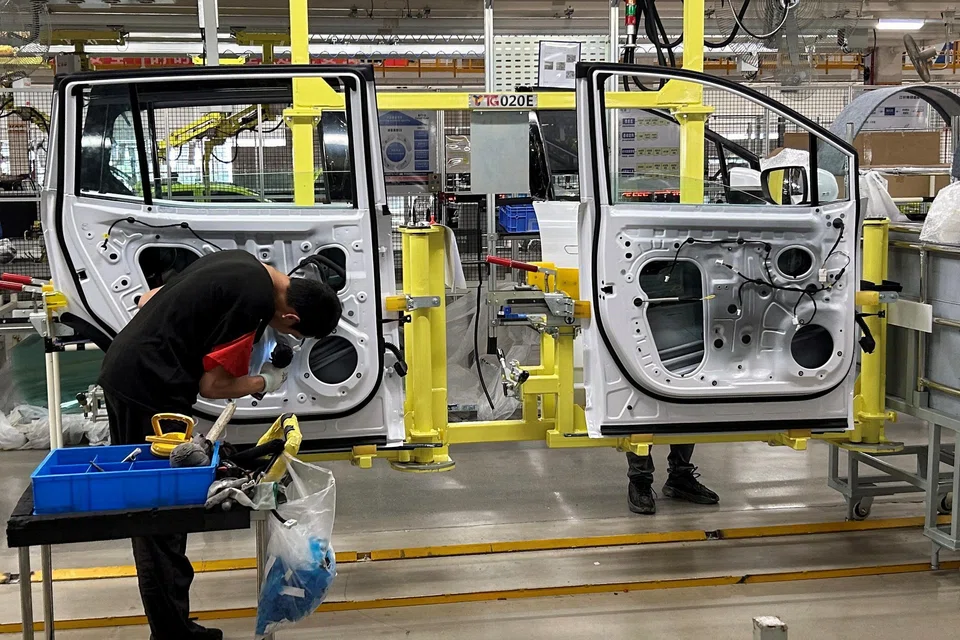
CHINA’S exports of clean technology climbed in March, reinforcing signs that manufacturers are benefiting from rising global demand for alternative energy sources as traditional supplies are roiled by the Iran war.
The most notable growth came in shipments of lithium-ion batteries and electric vehicles, with an annual increase of 34 per cent and 53 per cent, according to data released by China’s General Administration of Customs on Saturday (Apr 18). Solar cells also saw 80 per cent growth in March. All three exports rose from February levels as well.
The data give the first comprehensive picture of China’s clean tech exports since the US and Israel launched attacks against Iran seven weeks ago, effectively shutting the Strait of Hormuz and sparking a global energy crisis. The disruptions caused by the conflict have heightened the issue of energy security for countries reliant on fuel imports and sent consumers and industries hunting for alternatives.
“This is just the beginning, the knock-on effects of high energy prices will be unfolding for months to come,” said Euan Graham, senior analyst at UK-based think tank Ember. “Clean technologies are an escape from soaring fuel costs for consumers and a long-term route for countries to reduce fossil fuel reliance. China is well positioned to meet this growing demand.”
Even after Iran said late on Friday it had reopened the Strait of Hormuz, it could still take months for shipping to resume normal levels, assuming a peace deal is reached.
China, which already dominates global supply chains for solar and wind power, batteries, and EVs, now faces another opportunity to further its reach. Years of capacity-building, often at the expense of profitability, have enabled Chinese manufacturers to scale up distribution in overseas markets quickly and competitively, making green products a new growth driver for the country’s exports.
'%3e%3cpath%20d='M12.1475%2025.5262C13.7713%2025.4295%2014.94%2023.913%2014.94%2021.8832C14.94%2019.5359%2013.474%2018.093%2011.5917%2018.093C11.3745%2018.093%2010.9582%2018.093%2010.8393%2018.1413V25.2086L11.8891%2025.5745C11.8891%2025.5745%2012.207%2025.5262%2012.1475%2025.5262ZM11.4934%2017.6281C13.2567%2017.6281%2014.3843%2016.4292%2014.3843%2014.4501C14.3843%2012.372%2013.275%2011.2973%2011.4339%2011.2973H10.8393V17.6305H11.4934V17.6281ZM6.66078%2025.6482L7.39265%2025.5492C8.02617%2025.4502%208.26403%2025.3053%208.26403%2025.1097V11.6149C8.26403%2011.4193%208.1451%2011.3709%207.23484%2011.249L6.68137%2011.173L6.6219%2010.7588H11.9508C15.7153%2010.7588%2017.0624%2012.0797%2017.0624%2014.1578C17.0624%2015.9666%2015.7748%2017.1909%2013.4969%2017.6305V17.7041C16.111%2017.948%2017.6571%2019.5382%2017.6571%2021.7636C17.6571%2024.3318%2015.8937%2026.0417%2012.1109%2026.0417H6.60132L6.66078%2025.6482Z'%20fill='%232B2B2B'/%3e%3cpath%20d='M20.6287%2025.6505L21.5596%2025.5515C22.1725%2025.4779%2022.4104%2025.3076%2022.4104%2025.112V11.249H21.9346C20.073%2011.3479%2018.982%2013.0095%2018.408%2014.6227L18.1907%2015.5018H17.6555L18.1701%2010.7588H29.3837L29.6421%2015.4787H29.1664L28.9491%2014.6227C28.3728%2012.8645%2027.3047%2011.2743%2025.5002%2011.249H24.9856V25.1856C24.9856%2025.3812%2025.1251%2025.4548%2025.9965%2025.5515L26.7695%2025.6505L26.829%2026.0417H20.5693L20.6287%2025.6505Z'%20fill='%232B2B2B'/%3e%3c/g%3e%3cdefs%3e%3cclipPath%20id='clip0_5242_21648'%3e%3crect%20width='24'%20height='16.8'%20fill='white'%20transform='translate(6%2010)'/%3e%3c/clipPath%3e%3c/defs%3e%3c/svg%3e)
In particular, shipments of EVs and hybrids jumped to a record 349,000 units in March, according to the China Passenger Car Association. Dealerships across Asian capitals have reported an influx of customers pivoting to EVs as they try to avoid fuel prices that have soared since the start of the war.
“Chinese automakers can quickly increase their global reach during the Strait of Hormuz crisis,” secretary general of the China Passenger Car Association Cui Dongshu said during a briefing last week.
Contemporary Amperex Technology, the world’s largest maker of EV batteries, said in an earnings call on Wednesday that in the short term the increased uncertainty over crude oil supplies and prices will drive customers to increase their use of electrified products.
Domestic policy changes also influenced clean tech exports in the first quarter. Solar and batteries, for instance, saw export tax rebates either removed or lowered starting in April, which analysts said could lead companies to rush product out the door before the subsidies disappeared. BLOOMBERG
Decoding Asia newsletter: your guide to navigating Asia in a new global order. Sign up here to get Decoding Asia newsletter. Delivered to your inbox. Free.
Share with us your feedback on BT's products and services
TRENDING NOW

Two Singapore-listed palm oil firms named in Greenpeace report on Indonesian plantation fires
Singapore Airlines flight returns to San Francisco after ‘unruly’ passenger incident

Singapore looking into which companies responsible for haze-causing fires: PM Wong
Deluge IPO 3.86 times subscribed ahead of SGX debut

