
China confirms change to Covid death definition as doubts on data grow
 Add BT as a preferred source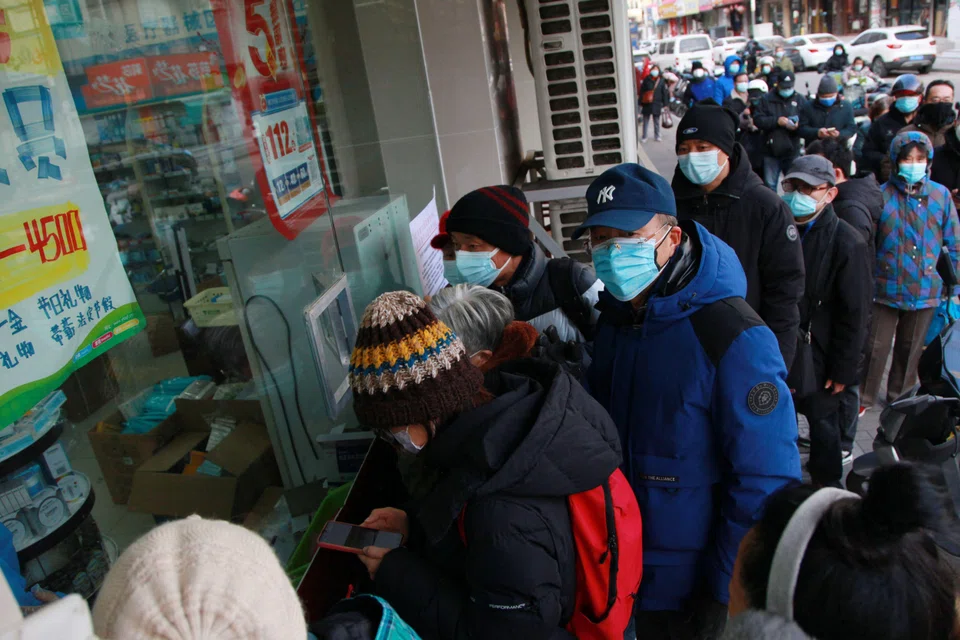
CHINA confirmed it has narrowed how it defines a Covid death, adding weight to speculation that its strikingly low official tally is hiding the true picture of the chaos unleashed by this month’s abrupt pandemic pivot.
In total, China has reported 5,242 Covid deaths since the pandemic emerged in the city of Wuhan in late 2019, a very low toll by global standards.
With Beijing’s surprise decision to let the virus run free, cities across the country are now scrambling to install hospital beds and build fever screening clinics on Tuesday (Dec 20) as authorities reported five more deaths.
In its latest definition of death by Covid, China will only count people who tested positive for Covid and died of respiratory failure as official virus deaths.
Wang Guiqiang, a top infectious disease doctor, told reporters at a National Health Commission (NHC) briefing in Beijing on Tuesday (Dec 20) that people deemed to have died due to another disease or an event like a heart attack will not be classified as a virus death, even if they were sick with Covid at the time.
Previously, anyone who died while Covid-positive, no matter their underlying condition, would be classed as an official Covid death. And as recently as last week, the NHC, China’s top health regulator, told Bloomberg News that definition was still in place.
Navigate Asia in
a new global order
Get the insights delivered to your inbox.
Wang’s announcement confirms a Caixin report that the government had quietly changed the guidelines earlier this month, rolling out the narrower definition just as its dismantling of Covid-zero sparked an explosion of infections.
But the rapid rise in cases has notably come with very few deaths, putting China at odds with the experiences of other countries – and even Shanghai and Hong Kong – and fuelling concerns officials are seeking to mask the real number of fatalities.
The vast country has reported fewer than 10 deaths since the start of the month, despite a growing chorus of media reports and social media posts that show crematoriums and funeral parlours, particularly in the capital of Beijing, are being overwhelmed.
The change in the definition was sparked by how mild Omicron is compared with the Wuhan strain at the start of the pandemic, Wang, a doctor at Peking University First Hospital, said at the briefing aimed at addressing doubts about the accuracy of the death toll.
“Few died from respiratory failure caused by Covid, and the most common cause of death is underlying disease,” Wang said. The new definition is now reflected in NHC documents, he said, without elaborating.
Other countries have a wider definition of what constitutes a Covid death. While health authorities in some nations do note that the virus might not be the ultimate cause of death in a positive person, most still include such fatalities in their Covid death tallies. Covid can cause other conditions, like blood clots, that then trigger things like heart attacks, and the virus can also hasten death from another ailment.
The US attributes a death to Covid regardless of whether the infection is the underlying cause or a contributing factor. New Zealand will record a Covid death in anyone who dies within 28 days of a positive test result. The UK, meanwhile, determines whether a death is due to Covid or just involves Covid based on the underlying cause, but both kinds of fatalities will still be recorded as Covid deaths in official statistics.
China’s change means its death tally and the fatalities it recorded at other stages of the pandemic will likely will not be comparable with other countries.
Now, as the virus sweeps through a country of 1.4 billion people who lack natural immunity after having been shielded for so long, there is growing concern about possible deaths, virus mutations and the impact on the economy and trade.
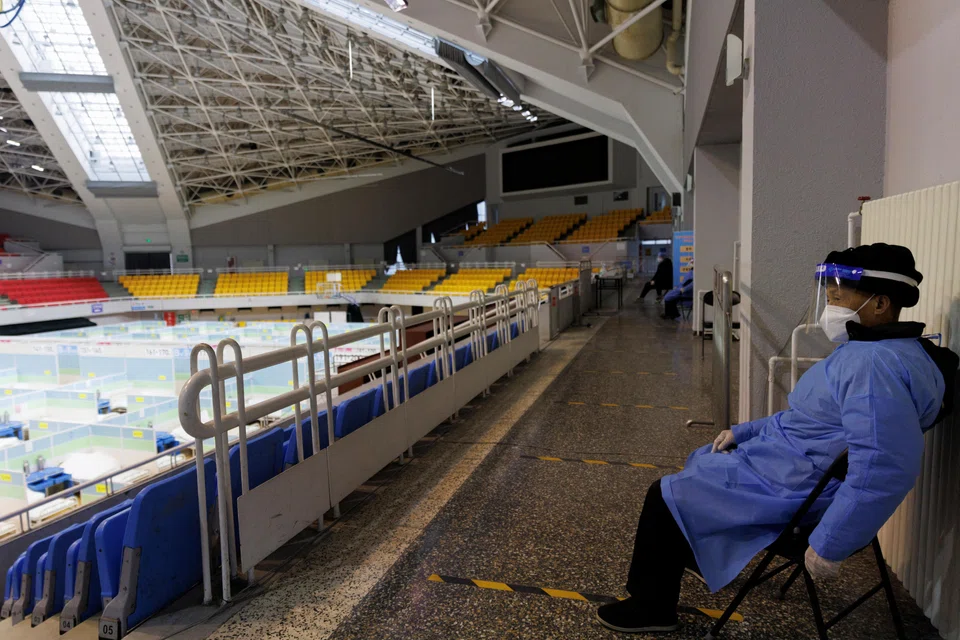
Cities are ramping up efforts to expand intensive care units and build fever clinics – facilities designed to prevent the wider spread of contagious disease in hospitals.
In the past week, major cities including Beijing, Shanghai, Chengdu, and Wenzhou announced they had added hundreds of fever clinics, some in converted sports facilities.
The virus is also hammering China’s economy, expected to grow 3 per cent this year, its worst performance in nearly half a century. Workers falling ill are slowing down production and disrupting logistics, economists say. BLOOMBERG, REUTERS
Decoding Asia newsletter: your guide to navigating Asia in a new global order. Sign up here to get Decoding Asia newsletter. Delivered to your inbox. Free.
Share with us your feedback on BT's products and services

