

China discussing easing of ban on Australia coal imports
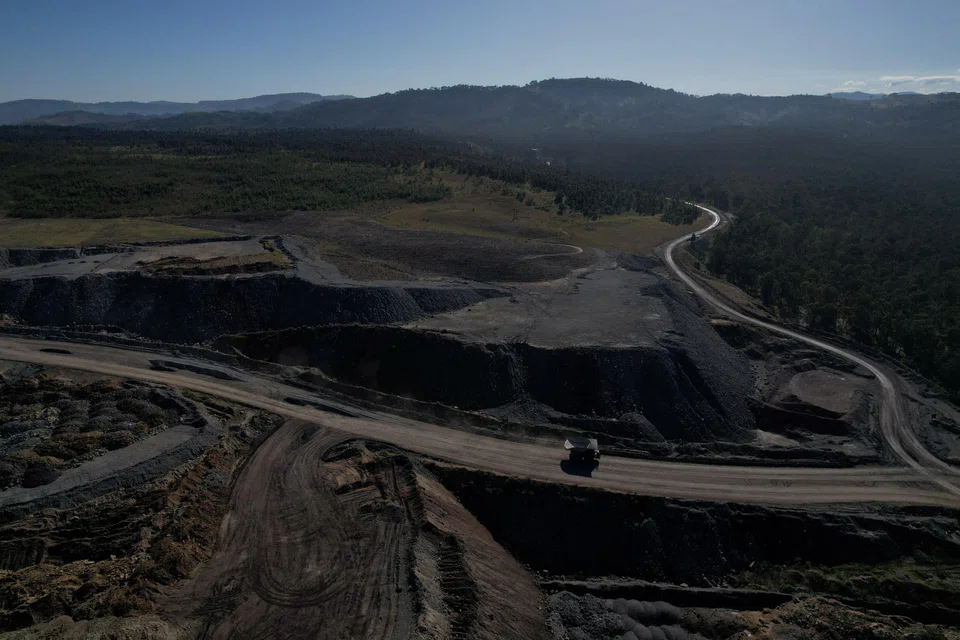
CHINESE bureaucrats are discussing plans to resume some imports of Australian coal after a more than two-year ban as relations between the nations improve.
The National Development and Reform Commission (NDRC) held talks on Tuesday (Jan 3) on proposals to allow four major importers – China Baowu Steel Group, China Datang, China Huaneng Group and China Energy Investment – to make new purchases this year, according to people familiar with the matter, who requested anonymity to discuss private details. Imports could resume as soon as April 1, two of the people said.
The NDRC didn’t immediately respond to a fax requesting comment. China Baowu, Datang, Huaneng and CEIC also didn’t immediately respond to requests for comment.
China, previously a major consumer of coal from Australia – among the world’s top shippers – implemented an unofficial ban in late 2020 as hostilities between Canberra and Beijing escalated over issues including a call for an independent probe into the origins of the coronavirus.
Exporters including Whitehaven Coal and Yancoal Australia jumped on the news, while China-based producers such as Shanxi Coking Coal Energy Group and Yankuang Energy Group tumbled on the prospects of increased supply. The Australian dollar extended its gain, climbing as much as 2.3 per cent to 68.79 US cents, its biggest advance since Nov 10.
Foreign Minister Penny Wong travelled to Beijing in December for the first official visit in years, while Australian officials have indicated the country would be willing to reconsider its case against China at the World Trade Organization if Beijing’s restrictions were lifted.
Authorities in China previously studied a potential easing of the restrictions on Australian coal last July, people familiar with the talks said at the time. Bureaucrats have been aiming to prevent any repeat of widespread power shortages in 2021 and more limited outages late last year. There are also concerns that European-led restrictions on Russian energy could boost competition for coal from China’s key suppliers like Indonesia.
Australia’s exporters have already switched focus to markets elsewhere in Asia and Europe amid an energy crisis that’s intensified global competition for the commodity, potentially limiting the impact of any policy reversal by China.
There’s also currently only limited volumes available on the spot market, and China has boosted domestic coal output to a record to limit reliance on imports. “As far as actual trade flows – a big yawn,” said Tim Baker, head of macro research at Deutsche Bank in Sydney. “Aussie coal exports have been exceptionally strong despite China not taking any.”
Even so, there will likely be demand for Australian supplies that are known for their high quality. China’s return as a buyer of the cargoes could also help spur prices higher and there will be an overall “impact on sentiment from evidence of improving relations with China,” said Ray Attrill, head of currency strategy at National Australia Bank in Sydney.
Curbs were also imposed by China on a string of other Australian imports, including wine to beef and lobster. BLOOMBERG
Decoding Asia newsletter: your guide to navigating Asia in a new global order. Sign up here to get Decoding Asia newsletter. Delivered to your inbox. Free.
Share with us your feedback on BT's products and services
TRENDING NOW

Grab CEO’s wife Chloe Tong on life with Anthony Tan and finding her purpose

Income Insurance appoints former Manulife Singapore top man as new CEO

Incidence of civil servants buying property near unannounced MRT stations ‘a concern’, but may not establish misconduct: PSD

Three ex-employees of Envy group join Ng Yu Zhi in bankruptcy

