

China holiday travel booms in sign of consumer sentiment rebound
The pickup adds to signs that government measures are gaining some traction
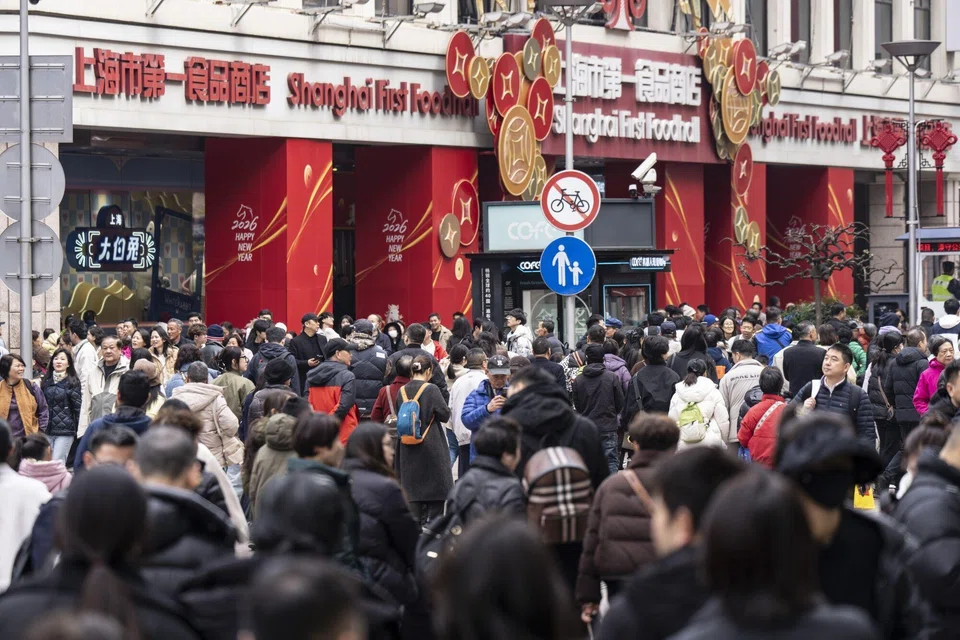
[BEIJING] Chinese travellers spent a lot more during an annual holiday that ended on Feb 23, a rare sign of improving consumer sentiment after the government boosted efforts to spur demand for goods and services.
Domestic travel and hotel stays, retail sales and overseas trips all jumped from a year earlier over the nine-day Chinese New Year break, according to official data and reports from travel companies. The unusually long holiday likely encouraged longer trips, amplifying the rebound.
The pickup adds to signs that government measures – from extending the holiday to offering subsidies or cash rewards for purchases – are gaining some traction. If momentum holds beyond the festive period, it would bolster the government’s push to lift household spending and stabilise prices.
“Consumption appears better than generally assumed, potentially supported by a wealth effect from the equity rally and local subsidies – especially to tourism,” Citigroup economists led by Xiangrong Yu wrote in a Monday note.
Early indicators pointed to firmer activity in stores and restaurants. During the first four days of the holiday, average daily sales at key retail and catering enterprises nationwide rose 8.6 per cent from same period last year, state broadcaster China Central Television reported, citing data from the Ministry of Commerce.
In the island province of Hainan, sales at duty-free stores soared by almost a third to 2.7 billion yuan (S$495 million) over the break, the Shanghai Securities News reported on Tuesday (Feb 24).
Travel platforms also described a busier holiday and higher spending per trip. Fliggy, Alibaba Group Holding’s online travel service, said domestic travel orders reached a record and booking value per person climbed about 10 per cent, as traveller took more trips and went farther afield.
The number of nights travellers spent in hotels jumped 75 per cent from a year earlier, while orders for popular theme-park and attraction packages that bundle accommodation and entertainment soared 140 per cent, Fliggy said.
Meituan’s report suggested travellers spread out across more destinations. The number of people placing online orders in multiple locations rose 50 per cent over the break, according to the company, and its data showed travellers visited an average of 2.2 cities.

Markets offered a mixed verdict on what the holiday numbers mean for the broader consumer outlook. Consumer-related stocks were choppy in China on Tuesday: home-appliance makers including Haier Smart Home and Midea Group gained, while shares of service companies fell after rallying for weeks ahead of the holiday on expectations of a spending surge.
More Chinese people went abroad, with mainland residents making 9.5 million cross-border trips during the holiday, up 10 per cent from a year earlier, according to data from the National Immigration Administration. The agency also said inbound travel rose 22 per cent, helped by China’s visa-free policy.
Not every category strengthened, however. Fewer people went to the movies, with box office takings during the break the lowest since 2017 at less than six billion yuan, according to data compiled by ticketing platform Maoyan Entertainment.
Some analysts cautioned against reading too much into a holiday boosted by calendar effects and government incentives. China International Capital Corp said in a Tuesday note that policy support is needed for the future growth of consumption, citing sluggish growth in household disposable income as well as employment and consumer confidence. BLOOMBERG
Decoding Asia newsletter: your guide to navigating Asia in a new global order. Sign up here to get Decoding Asia newsletter. Delivered to your inbox. Free.
Share with us your feedback on BT's products and services
TRENDING NOW

Could stablecoins be the future of money?

Once staunchly pro-China, Malaysian Chinese businesses are now distancing themselves from Beijing

Global expertise and tailored solutions: How affluent S’poreans can grow and manage wealth across markets
GIC-backed Bank Jago sees wealth management as next growth engine as Indonesian investor base grows

