

China January official manufacturing PMI drops to 49.3
The world’s second-largest economy hit the government’s official growth target of 5% last year
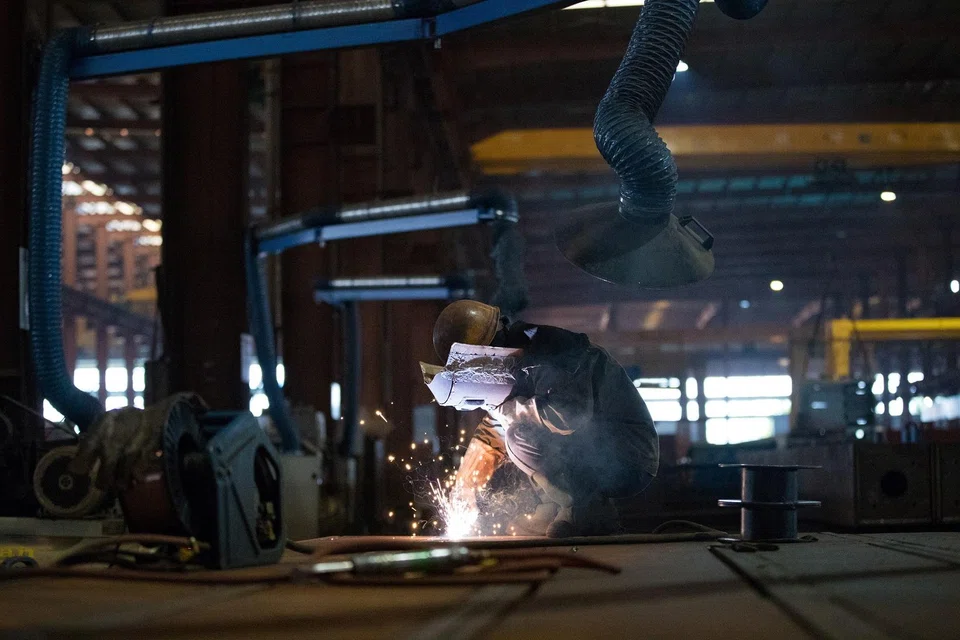
[SHENZHEN] China’s factory activity faltered in January as weak domestic demand dragged down production at the start of the new year, an official survey showed on Saturday (Jan 31).
The official purchasing managers’ index (PMI) dropped to 49.3 in January, from 50.1 in December, below the 50-mark separating growth from contraction.
It missed a forecast of 50 in a Reuters poll of analysts.
Sub-indexes of new orders and new export orders also saw declines, respectively down to 49.2 from 50.8 in December and 47.8 from 49.0 in December.
The non-manufacturing PMI, which includes services and construction, dropped to 49.4 from 50.2 in December, falling to its lowest since December 2022.
Huo Lihui, a statistician with the National Bureau of Statistics, said that some types of manufacturers traditionally enter a slow period in January and market demand remains weak.
The world’s second-largest economy hit the government’s official growth target of 5 per cent last year, underpinned by strong exports that defied pressure from US President Donald Trump’s tariff offensive.
But the headline figure masked deep-seated imbalances in the economy. Retail sales weakened further in the final quarter, dragging fourth-quarter GDP growth to a three-year low.
Signs of unease are growing among policymakers as the domestic demand downturn persists. The government front-loaded 62.5 billion yuan (S$11.4 billion) from ultra-long special treasury bond funds to support its scheme offering consumers subsidies to replace a range of products from home appliances to smartphones.
SEE ALSO



Earlier this month, the central bank announced cuts to sector-specific interest rates and signalled it has room this year to further reduce banks’ cash reserve requirements and deliver broader rate cuts.
As authorities struggle to spur household spending on goods, they are also pivoting towards measures aimed at boosting services consumption, in a bid to absorb the output of the manufacturing sector.
Still, analysts remain sceptical about how much these steps could help stabilise growth.
“Beijing will have to do much more in the coming months to deliver an annual GDP growth rate above 4.5 per cent in 2026. As Beijing runs out of easily implemented policy tools, policymakers may need more time to prepare more comprehensive measures,” said Ting Lu, chief China economist at Nomura.
Beijing has vowed to make boosting domestic demand its top priority this year while sharpening its focus on achieving tech self-reliance to reduce vulnerability to foreign trade blockades and protectionist measures.
President Xi Jinping, at a recent seminar attended by senior government officials, called for “developing advanced manufacturing vigorously” and pledged to “make domestic demand the main driving force of economic growth”.
China is likely to set this year’s official growth target between 4.5 and 5 per cent, the South China Morning Post reported, as policymakers take a cautious approach to stimulus with a stock market bubble on their minds.
Analysts polled by Reuters forecast the private sector RatingDog PMI to come in at 50.3, up from 50.1 a month prior. The data will be released on Feb 2. REUTERS
Decoding Asia newsletter: your guide to navigating Asia in a new global order. Sign up here to get Decoding Asia newsletter. Delivered to your inbox. Free.
Share with us your feedback on BT's products and services
TRENDING NOW

Once staunchly pro-China, Malaysian Chinese businesses are now distancing themselves from Beijing

Looking beyond looming CEO succession, should UOB potentially pursue a transformative merger?

Could stablecoins be the future of money?

Grab CEO’s wife Chloe Tong on life with Anthony Tan and finding her purpose

