

China needs own seeds to guarantee country's 'food bowl', says Xi
 Add BT as a preferred source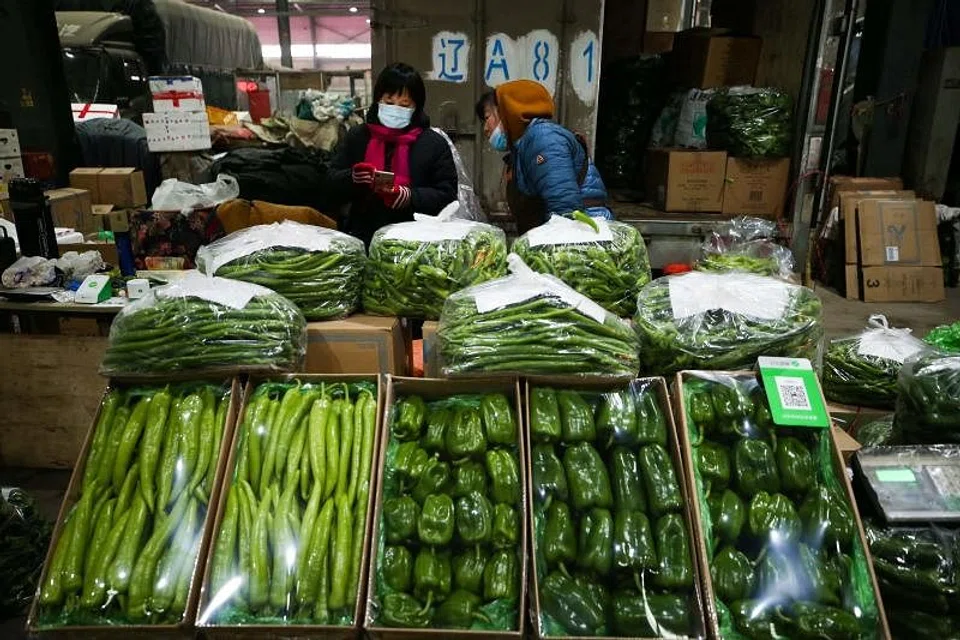
DeeperDive is a beta AI feature. Refer to full articles for the facts.
[BEIJING] Chinese President Xi Jinping said the country needs to be independent in seeds to achieve food security, state media reported on Monday, reiterating growing concerns about China's reliance on imports of food.
He made the remarks on Sunday while visiting the Yazhou Bay Seed Laboratory in the southern island of Hainan, a major breeding base for the seed sector, Xinhua reported.
"Only by holding Chinese seeds tightly with our own hands can we stabilise the Chinese food bowl and achieve food security," the Chinese leader is reported to have said.
Seed sources must be independent and controllable, and seed industry technology must be self-reliant, he was reported to have said.
China has stepped up its focus on food security since the Covid-19 pandemic began in early 2020, which upended global supply chains, threatening large imports of grain into the country.
Last month, Xi told delegates to the annual Parliament meeting that China must not rely on the international market for food, amid further turmoil since Russia's invasion of major grain exporter Ukraine.
Navigate Asia in
a new global order
Get the insights delivered to your inbox.
China produces most of its crop seeds at home due to quarantine requirements on imports as well as production costs, but some vegetables, such as spinach, cauliflower and carrots, are grown largely from foreign seed, state media reported last year.
Experts say government attention to the sector is important.
"We're currently focused on rice and wheat, but we need to do more in vegetables and fruits, animals and maize," said Fan Shenggen, professor at China Agricultural University.
He added that return on investment in new seed varieties was "very high".
In late 2020, the central leadership said the country's seed industry was a weak link in the food chain, and needed to make better use of science and technology to achieve a turnaround.
REUTERS
Decoding Asia newsletter: your guide to navigating Asia in a new global order. Sign up here to get Decoding Asia newsletter. Delivered to your inbox. Free.
Copyright SPH Media. All rights reserved.
TRENDING NOW
Shelving S$5 billion office redevelopment plan proved ‘wise’ as geopolitical risks mount: OCBC chairman

Eurokars Group introduces rental car franchises Enterprise Rent-A-Car, National Car Rental, and Alamo to Singapore
20 photos that show how dramatically Singapore has changed in two decades
Singapore’s key exports up 15.3% in March from electronics surge, exceeding forecasts

