

China offers farmers cash to give up wildlife trade
 Add BT as a preferred source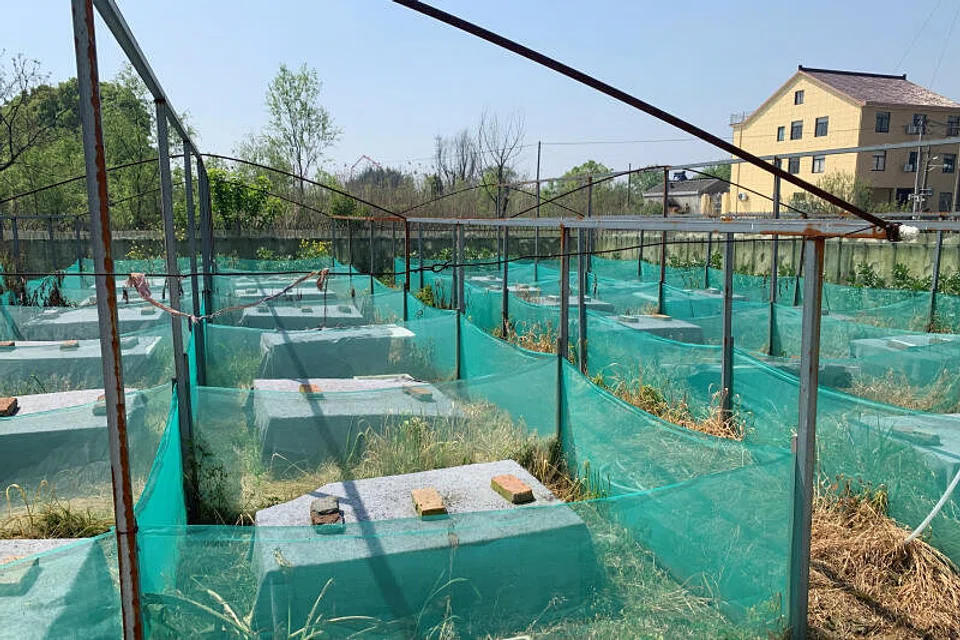
DeeperDive is a beta AI feature. Refer to full articles for the facts.
[BEIJING] Farmers in China are being offered cash to quit breeding exotic animals as pressure grows to crack down on the illegal wildlife trade that has been blamed for the coronavirus outbreak.
Authorities have for the first time pledged to buy out breeders in an attempt to curb the practice, animal rights activists say.
China has in recent months banned the sale of wild animals for food, citing the risk of diseases spreading to humans, but the trade remains legal for other purposes including research and traditional medicine.
The deadly coronavirus -- first reported in the central Chinese city of Wuhan -- is widely believed to have passed from bats to people before spreading worldwide.
Two central provinces have outlined details of a buyout programme to help farmers transition to alternative livelihoods.
Hunan on Friday set out a compensation scheme to persuade breeders to rear other livestock or produce tea and herbal medicines.
Navigate Asia in
a new global order
Get the insights delivered to your inbox.
Authorities are offering to pay 120 yuan (S$22) per kilogram of cobra, king rattlesnake or rat snake, while a kilogram of bamboo rat will fetch 75 yuan.
A civet cat -- the animal believed to have carried Severe Acute Respiratory Syndrome (SARS) to humans in another coronavirus outbreak nearly two decades ago -- is worth 600 yuan.
Neighbouring Jiangxi province has also released documents on plans to help farmers dispose of animals and financial aid.
The state-run Jiangxi Daily newspaper reported last week that the province has more than 2,300 licensed breeders, mostly rearing wild animals for food.
Their animals are worth about 1.6 billion yuan (S$319 million), the report said.
Both Jiangxi and Hunan border Hubei, the province where the coronavirus first emerged in December.
Animal rights group Humane Society International (HSI) said Hunan and Jiangxi are "major wildlife breeding provinces", with Jiangxi seeing a rapid expansion of the trade over the last decade.
Revenues from breeding reached 10 billion yuan in 2018, it said.
HSI China policy specialist Peter Li told AFP that similar plans should be rolled out across the country.
But he cautioned that Hunan's proposals leave room for farmers to continue breeding exotic creatures as long as the animals are not sent to food markets.
The province's plan also does not include many wild animals bred for fur, traditional Chinese medicine or entertainment.
Li said Chinese authorities are nevertheless moving in the right direction.
"In the past 20 years, a lot of people have been telling the Chinese government to buy out certain wildlife breeding operations, for example bear farming," he said.
"This is the first time that the Chinese government actually decided to do it, which opens a precedent... (for when) other production needs to be phased out."
AFP
Decoding Asia newsletter: your guide to navigating Asia in a new global order. Sign up here to get Decoding Asia newsletter. Delivered to your inbox. Free.
Share with us your feedback on BT's products and services
TRENDING NOW

‘Boring’ is the new black: The stars are aligning for a Singapore stock market revival

Near sell-out launches in March boost developer sales to 1,300 units after four slow months

China pips the US if Asean is forced to choose, but analysts warn against reading it like a sports result

Genting Singapore’s Lim Kok Thay receives S$7.5 million pay package for FY2025

