China to pass new rules for labelling of GM crops used in food: media reports
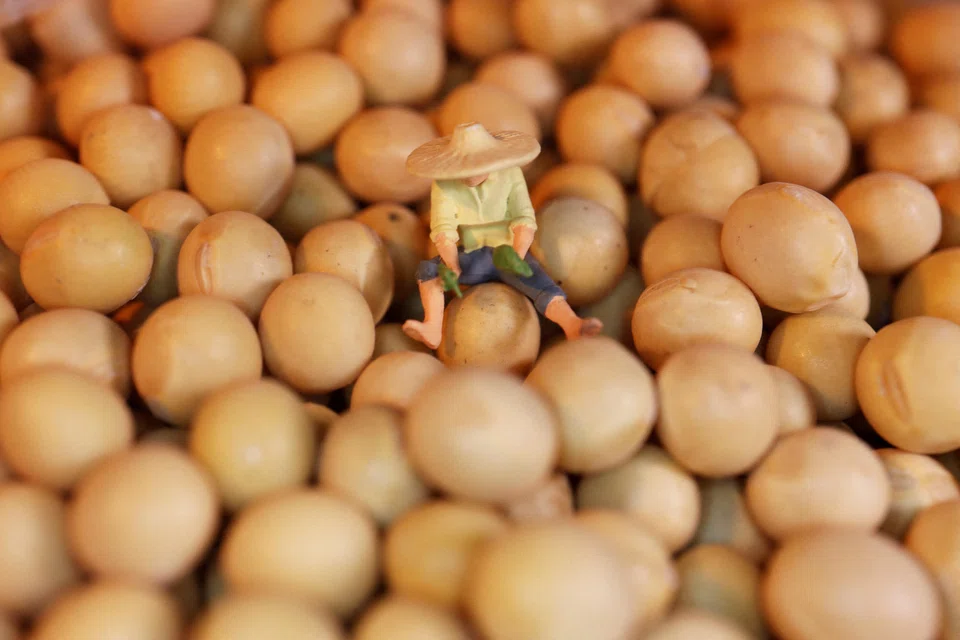
CHINA is expected to pass new rules this year for the labelling of genetically-modified (GM) crops used in food products, government-backed The Paper reported on Wednesday (Mar 20).
The regulation of the use of GM crops in food comes as China paves the way for commercial planting of higher-yielding GM varieties to secure its food security.
In the new rules, China will change its labelling method of GM crops in food to “quantitative labelling” from “qualitative labelling”, The Paper said.
That would require manufacturers to disclose if a product contains genetically-modified material exceeding 3 per cent of the mass of the product.
It would be applicable for soybeans, corn, rapeseed cottonseed, alfafa and papaya.
Previous rules stipulated mandatory labelling as long as the product contained or was processed from GM crops.
“The Ministry of Agriculture and Rural Affairs emphasised that the labelling of GM products is to protect consumers’ right to know and right to choose,” the report said.
“GM products that have been approved for marketing have passed safety evaluation and obtained safety licences, and there are no problems with its safety,” it said.
China mostly imports GM crops, such as corn and soybeans, for animal feed and grows non-GM varieties for food consumption. Many Chinese consumers are concerned about the safety of GM food crops.
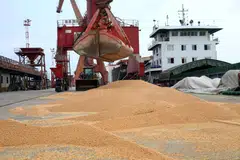
The agriculture ministry on Tuesday expanded its list of approved GM crops for planting to 27 corn and three soybean varieties. REUTERS
Decoding Asia newsletter: your guide to navigating Asia in a new global order. Sign up here to get Decoding Asia newsletter. Delivered to your inbox. Free.
Share with us your feedback on BT's products and services