

China regulator steps up risk management of trust companies
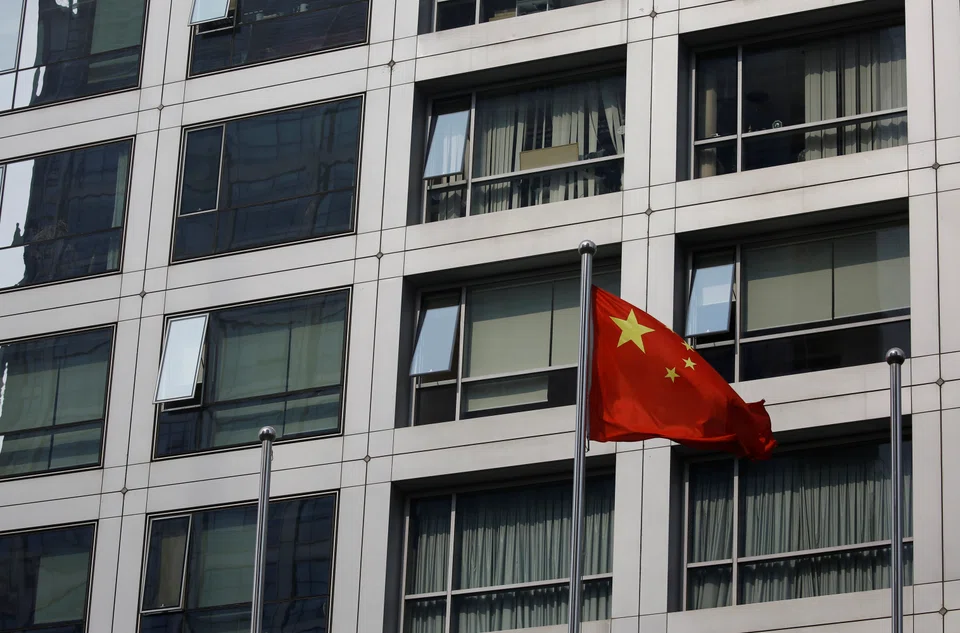
CHINA’S National Financial Regulatory Administration on Thursday (Nov 16) issued interim measures for the supervisory rating of trust companies to step up risk management of the firms, according to a statement released on its website.
The measures aim to comprehensively evaluate operations and the systematic impact of trust companies and to promote “healthy” operations, the regulator said.
Concerns about the outsized exposure of China’s US$3 trillion shadow banking sector, roughly the size of Britain’s economy, to property developers and the wider economy, have grown over the past year as the sector lurched from one crisis to another.
Trust firms will be rated by corporate governance, capital requirements, risk management, behavior management and business transformation, the measures said, to replace a previous version released in 2016.
Under the new measures, the regulator further strengthened the supervision of trust firms that have systematic influence.
Trust firms with a higher rating result show greater risks and will be attached with closer regulatory attention, the regulator said, adding irregularities including selling trust products to unqualified investors and guaranteeing returns.


Since late July, Zhongrong International Trust, which managed assets worth US$108 billion at end-2022, has missed payments on dozens of products since late last month, raising fears that China’s financial system may be at risk of contagion from a prolonged property market crisis and a rapidly slowing economy. REUTERS
Decoding Asia newsletter: your guide to navigating Asia in a new global order. Sign up here to get Decoding Asia newsletter. Delivered to your inbox. Free.
Share with us your feedback on BT's products and services
TRENDING NOW

Singapore government slaps loan curbs on individual private-hire car buyers

If Europe goes to war, the fallout will be felt in East Asia

The grid is the transition: Why Asean’s next energy challenge is coordination

Indonesia stocks suffer worst plunge in nearly 30 years as MSCI proposes standalone status

