

China is scaring away foreign investors that its cities want
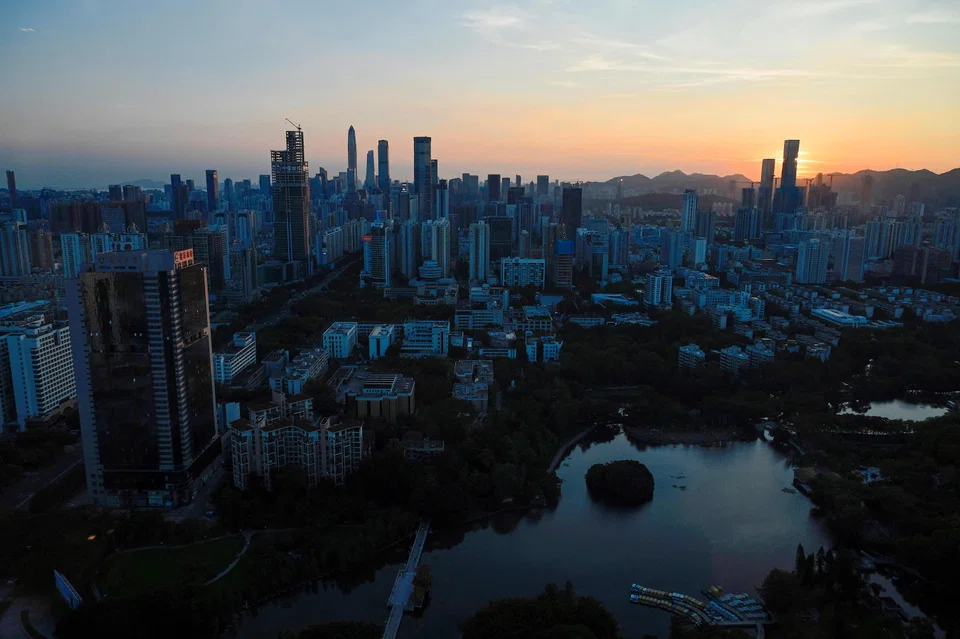
CHINA’S unpredictable policymaking is deterring foreign investment that the country’s cash-strapped cities are desperate to entice.
Local officials are cold-calling foreign entrepreneurs and bringing roadshows overseas as they seek to bolster coffers depleted by years of pandemic spending and a cratering property market. They also face pressure from the central government to boost investment in what the commerce ministry has dubbed the “Year of Investing in China”.
Their efforts are being met with a lukewarm reception from business communities outside China. While memorandums of understanding have been signed and some deals announced, many potential investors remain cautious about the country’s economic growth and wary of unexpected policy shifts.
Appetite for investment has been further weakened by a clampdown on foreign consultancies that global investors and multinational companies rely on to help themselves understand China. The campaign follows a series of abrupt regulatory tightenings on industries ranging from technology to real estate that sent foreign capital fleeing from the nation’s financial markets.
“There was certainly a lot of pressure on these cities and provinces to attract investment and this is the great contradiction – the central-level policies that are coming down are counter to that,” said Noah Fraser, Canada China Business Council managing director, adding that the council has heard less and less about any new investment. “Investor confidence is probably at the lowest it’s been.”
Over the past few months, dozens of Chinese provinces and cities have sent delegates to host investment roadshows in countries including Singapore, Japan, France, Germany as well as nations in the Middle East, based on local government statements and state media reports. Shanghai alone plans at least 100 overseas visits this year to attract business, while the southern province of Guangdong wants to lure at least two trillion yuan (S$384.3 billion) in foreign investment over the next five years.
But businesses are holding fire on increasing investment in China because of concerns such as the crackdown on foreign consultancies, said an executive at a Macau-based travel business, who asked not to be identified due to the sensitivity of the matter. The executive recently had meetings with officials from the north-eastern city of Jilin seeking partners for ginseng and deer antler trading, as well as officials from Jiangsu province promoting exports of hairy crabs. Despite the talks, the person has no immediate plans to venture into the mainland.
Foreign direct investment in China plummeted in the second half of last year as corporate profits declined, and the economy struggled due to Zero-Covid lockdowns. Global investors have lost interest in Chinese equities, with the MSCI China Index dropping about 50 per cent from its 2021 peak. Foreign holdings of Chinese bonds fell for 12 of the 13 months until February, before rising slightly in March.
In response, the Politburo – the top decision-making body of the Communist Party – last month called on local governments to boost foreign investment amid weak domestic demand and a difficult recovery.
China’s local governments face a tough task. Their spending rose 2.6 per cent last year to pay for the cost of Covid controls, tax cuts and other programmes, while income declined 11 per cent, due mainly to a slump in land sales caused by the downturn in the property market. Debt costs are rising after they increased borrowing in recent years to pay for infrastructure investment and fill budget gaps. Bond interest totalled US$160 billion in 2022, up 21 per cent from a year earlier.
Rising tensions with the West are adding to the challenge. The majority of US companies that are already invested in China have said the country is no longer a top-three priority, while the US government is looking to limit some investment flows to China.
Delegations from China have visited Singapore almost every week this year, said an official who asked not to be named as they were not authorised to speak publicly. A Western entrepreneur in Hong Kong said officials have started cold-calling overseas companies, skipping small talk and asking directly for investment, a tactic that the person said was rare before the pandemic. The entrepreneur said they were being wooed by a commerce official from a city in Shandong province.
Yet, interest is hard to find. The mayor of Qingdao, a port city in Shandong province, held an event in Tokyo in April for more than 300 people. Several small Japanese businesses signed memorandums of understanding at the end of the event, but no details were announced of any deals or monetary investments, with one attendee saying that there is increasing reluctance to invest in China due to geopolitical tensions.
While almost every Taiwanese business association in mainland China has been asked to increase investment this year, according to an official involved in cross-strait affairs, new investment from Taiwan’s companies fell 10 per cent in the first quarter and Taiwanese bank exposure to China dropped to a record low at the end of March, government data showed.
An executive at a real estate developer in Hong Kong said the difficulties of doing due diligence in China is deterring investors from buying assets in the mainland because of the risk of hidden debts. Such concern is only likely to be exacerbated by President Xi Jinping’s campaign against foreign due diligence companies.
Even businesses that do invest are taking a cautious approach, preferring to focus on their own operations in China instead of direct cash investment, said Gary Lam, founder and chief executive officer of Asia CEO Community, a membership club headquartered in Hong Kong that is focused on growing a network of business leaders.
“They want to be in control of their companies because their trust in the Chinese government and its current business environment has been eroded amid the myriad of government crackdowns and a constant change in policies,” said Lam. BLOOMBERG
Decoding Asia newsletter: your guide to navigating Asia in a new global order. Sign up here to get Decoding Asia newsletter. Delivered to your inbox. Free.
Share with us your feedback on BT's products and services






