

China starts year with fastest increase in spending since 2022
The economy is facing growing headwinds after a surprise rebound in early 2026
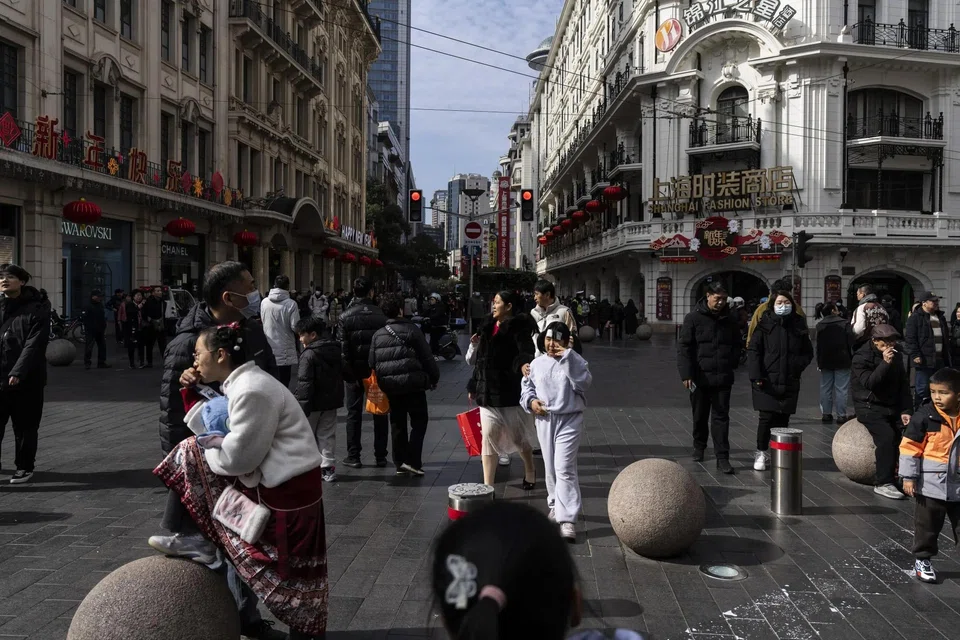
[BEIJING] China’s government spending got off to its fastest start to any year since 2022, likely an effort by authorities to fortify the economy in the face of rising external uncertainty.
A broad measure of public expenditure climbed 6 per cent in the January-to-February period this year from a year ago, according to Bloomberg calculations based on Ministry of Finance data released on Thursday (Mar 19).
In contrast, broad fiscal revenue fell 1.4 per cent, leaving a deficit of over one trillion yuan (S$186 billion) under China’s two main budgets – nearly 70 per cent higher than its level a year ago.
China’s fiscal stimulus has recently moved to the forefront of efforts to prop up an economy struggling with weak consumer spending. The central bank’s rate cuts have so far failed to ignite demand for credit, driving many economists to call for greater public spending to help businesses and households.
But officials have become increasingly vigilant against wasteful spending – a philosophy championed by Finance Minister Lan Fo’an earlier this month – as debt risks mount after years of massive borrowing.
That has raised concerns that their focus on China’s growing public debt burden would make them cautious about rolling out more aggressive stimulus measures.
Still, infrastructure-related spending rose 2.4 per cent in the first two months from a year earlier, its first increase since April 2025. Expenditure that covers outlays ranging from education to employment and social security jumped 6.1 per cent, fastest since August.
Greater spending on infrastructure is already feeding through into the economy. Data published earlier this week showed fixed-asset investment unexpectedly expanded 1.8 per cent in the first two months after contracting for the first time on record in 2025.
The economy is facing growing headwinds after a surprise rebound in early 2026. Spillovers from the Iran war have pushed up oil prices, which could hamper global economic growth and hurt demand for China’s exports. Higher raw material costs are also squeezing Chinese factories’ profit margins.
SEE ALSO

Challenges still linger at home. In a sign of a continuing downturn in the property market, the government’s income from selling land slumped 25 per cent in the first two months from a year ago. It is the worst showing since November and extends a streak of double-digit declines that started in October.
Against the backdrop of weak growth in household earnings, individual income tax revenue declined for the first time since March with a drop of 6.9 per cent. BLOOMBERG
Decoding Asia newsletter: your guide to navigating Asia in a new global order. Sign up here to get Decoding Asia newsletter. Delivered to your inbox. Free.
Share with us your feedback on BT's products and services






