China state fund moves to cut exposure to weak LGFVs, builders
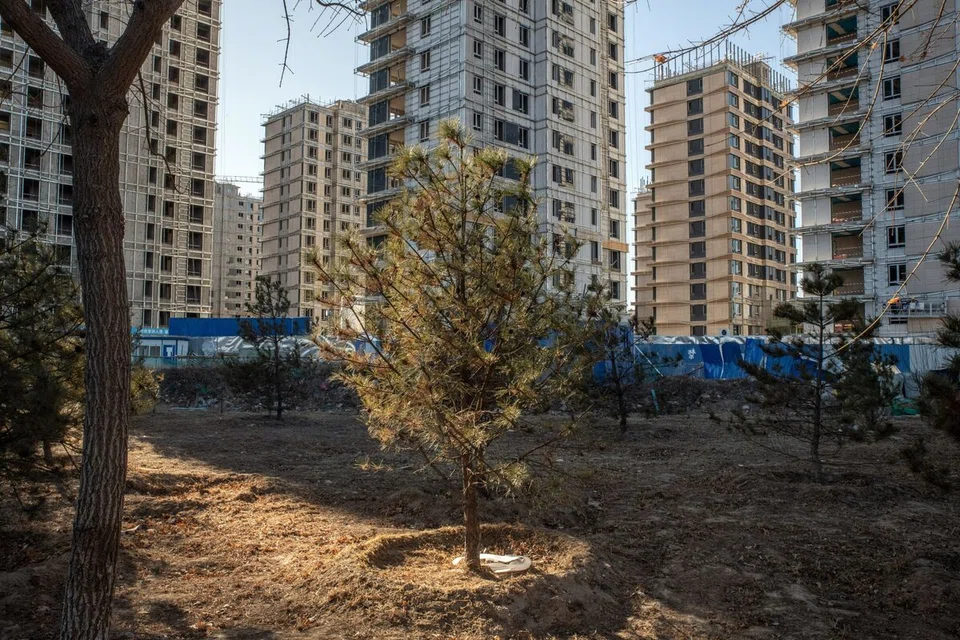
CHINA’S state pension fund has suggested that its asset managers sell some bonds including those from riskier local government financing vehicles (LGFVs) and private developers after a review, people familiar with the matter said.
The National Council for Social Security Fund asked some mutual funds that handle its money to conduct a thorough review of their holdings last week, and then advised them to sell after the results, according to the people who requested anonymity discussing private matters. Several of the people mentioned that bonds from LGFVs in Tianjin, a debt-saddled northern port city, were singled out.
The recent bond rout plaguing Sino-Ocean Group Holding raised the pension fund’s concerns as one of its biggest asset managers holds a large position in the state-backed developer’s debt, the people said. That triggered the request for a health check of their exposure to riskier LGFVs and builders, if relevant bond prices are below 95 per cent of face value, the people added.
The move underscores the difficult balancing act facing Chinese authorities as they try to diffuse risks in the nation’s credit markets without destabilising the financial system. While offloading weaker bonds may help the state pension protect the value of its investments, it risks heightening market concerns about the health of LGFVs and cash-strapped developers at a time when China’s government is trying to restore confidence in the world’s second-largest economy.
A representative of the state pension fund declined to comment. The institution had over 3 trillion yuan (S$558.4 billion) under management as of the end of 2021, according to its latest financial report.
Sino-Ocean’s bonds plummeted last week after Bloomberg News reported that a shareholder-led working group engaged a financial advisor to conduct due diligence and that it’s working with major shareholders on a plan to resolve debt risks.


China’s anemic economic recovery and housing crisis have rekindled concerns about ballooning local government debt, including some US$9 trillion of debt held by LGFVs, which are off-balance-sheet firms tasked to build infrastructure projects.
The city of Tianjin faced the biggest threat as of last year, with debt almost three times as large as its income, according to Bloomberg calculations based on available official data.
Chinese authorities are weighing plans to support cash-strapped cities and counties by allowing additional local bond issuance to help pay down hidden debt in higher-risk areas, Bloomberg reported last week, citing people familiar with the matter. BLOOMBERG
Decoding Asia newsletter: your guide to navigating Asia in a new global order. Sign up here to get Decoding Asia newsletter. Delivered to your inbox. Free.
Share with us your feedback on BT's products and services