
China stimulus brings limited help to lockdown-hit consumers
 Add BT as a preferred source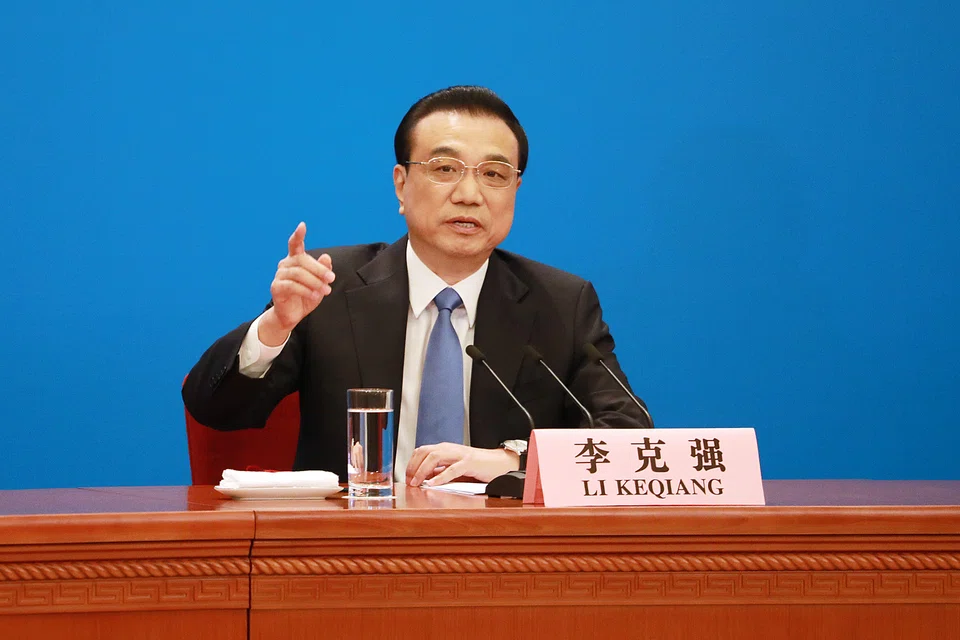
CHINA rolled out a broad package of support measures largely targeted toward businesses struggling to cope with Covid lockdowns, with limited relief for consumers facing job losses and sliding incomes.
The State Council, China’s Cabinet, outlined a 33-point plan that gives companies more than 140 billion yuan (S$28.8 billion) of extra tax rebates and allows them to defer social insurance payments and loans. Additional emergency loans will go toward the aviation industry, and railway construction will be boosted by 300 billion yuan of bonds.
Support for consumers was restricted to tax cuts on vehicle purchases, the deferment of some consumer and mortgage loans, and ensuring social benefits rose in line with price increases.
Premier Li Keqiang, who chaired the Cabinet meeting, highlighted the importance of job stability and the need to get the economy back on track. However, authorities have been reluctant to provide direct support to households, like cash handouts and consumer vouchers, limiting the effectiveness of China’s support.
Many economists expect the government won’t meet its annual GDP growth target of about 5.5% this year, with UBS Group the latest to downgrade its projection to just 3%.
“We believe these measures will provide some help and alleviate the severity of the growth slowdown or even contraction, but we remain cautious about growth prospects for this year,” Nomura Holdings economists led by Lu Ting wrote in a note.
Navigate Asia in
a new global order
Get the insights delivered to your inbox.
Chinese auto and airline stocks rallied on news of the tax relief measures and lending support for the industries. Great Wall Motor rose as much as 14% in Hong Kong while Geely Automobile Holdings jumped 11%. Air China gained nearly 4%.
Still, the broader equities market edged lower with some investors saying much of the support was already factored in.
“The impact of the various easing policies may be smaller than in previous economic cycles because entities face a lot of uncertainties under the pandemic and are reluctant to invest or spend,” said China International Capital Corp analyst Zhou Peng.
The additional tax relief announced Monday represents about 0.1% of China’s gross domestic product last year, and pushes the government’s total planned reduction in taxes this year to 2.64 trillion yuan - slightly more than the relief Beijing offered in 2020 when China was first hit by the pandemic.
“Without a certain level of GDP growth, stable employment cannot be realized,” Li said. “One good thing is that we refrained from excessive money supply and mass stimulus in the past few years, and we still have policy tools in reserve.”
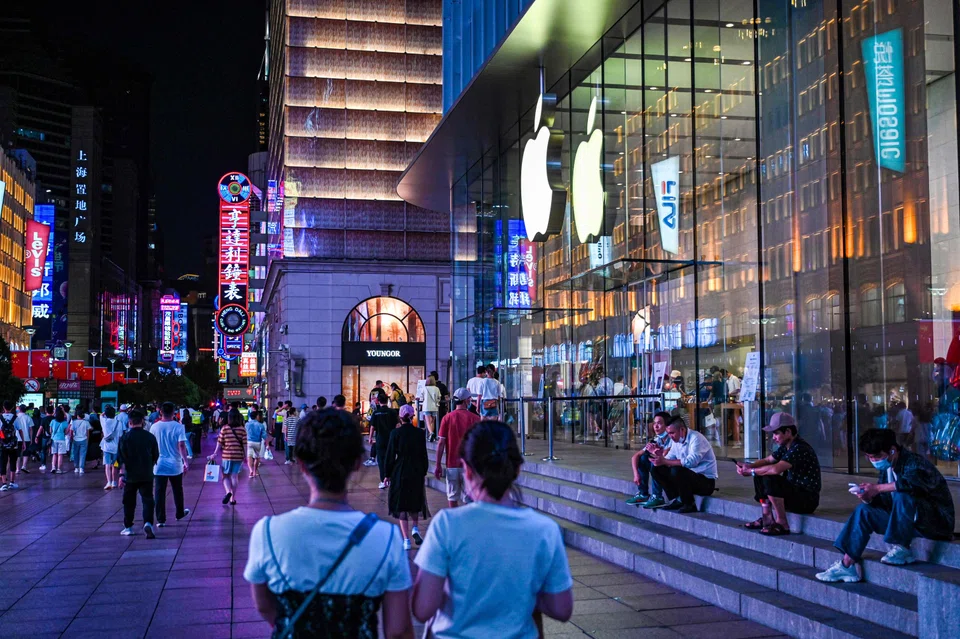
China’s zero tolerance policy of combating Covid-19 has forced major hubs like Shanghai into lockdown for more than a month, roiled supply chains, slashed manufacturing and pushed up the jobless rate to close to a record.
Iris Pang, chief economist for Greater China at ING Groep NV, said while the State Council measures were largely focused on the “supply-side” of the economy, the State Council did emphasise job stability, which is important to grow consumption. Infrastructure spending “should provide jobs as well,” she said.
Several prominent economists though have called for more direct support to households, like cash handouts and spending vouchers, to boost demand in the economy. Justin Lin Yifu, a former World Bank chief economist, recommended the government give 1,000 yuan to families in areas under lockdown to support consumption. Gao Zhanjun, a researcher with the National Institution for Finance & Development, echoed those views for cash handouts and consumption coupons.
To help support businesses, Beijing will extend an existing delay on companies’ social-insurance contributions to the end of the year and expand the measure to more sectors, with those deferred payments expected to amount to 320 billion yuan. A quota for loans aimed at small and medium-sized enterprises would also be doubled.
Borrowing demand in the economy has been very weak though, with loan growth sliding to multi-year lows last month. China’s central bank and banking regulator held a separate meeting with major financial institutions on Monday to urge them to boost loans.
Infrastructure was another big focus of the State Council’s measures. It urged local governments to spend the proceeds of special bonds, mainly used in infrastructure, by the end of August. Beijing will also launch a series of projects in areas such as water, the renovation of old housing, energy security and underground piping. It will also start a new round of rural road construction and renovation.
Separately, calls have been growing for the government to sell “special sovereign bonds,” as it did in 2020, to pay for the extra stimulus. The state-run China Securities Journal cited analysts in a front-page report on Tuesday suggesting more fiscal policy tools may be used next, including the sale of special government debt.
Unlike regular bonds, the special sovereign bonds aren’t counted in the official budget deficit and the proceeds are meant to be used for specific policy goals rather than general public spending.
Beijing has widened the scope of tax relief policies in recent weeks but hasn’t revised its fiscal targets for the year, which were set in early March before the omicron variant prompted a strict lockdown of Shanghai and tight restrictions in other major urban centers. At the time the budget was released, the government said it would provide tax relief this year worth about 2.5 trillion yuan, including 1.5 trillion yuan in rebates.
The latest State Council measures didn’t state how the additional tax cuts will be funded, or if they will require a revision of Beijing’s official deficit target for the year. BLOOMBERG
Decoding Asia newsletter: your guide to navigating Asia in a new global order. Sign up here to get Decoding Asia newsletter. Delivered to your inbox. Free.
Share with us your feedback on BT's products and services

