

China urges shoppers not to hoard salt after Fukushima discharge
 Add BT as a preferred source
DeeperDive is a beta AI feature. Refer to full articles for the facts.
ONLINE retailers in parts of China ran out of salt on Thursday (Aug 24) after Japan began discharging treated radioactive wastewater from the wrecked Fukushima nuclear power plant, setting off a buying frenzy among anxious consumers.
One of the world’s biggest seafood importers, China banned all supplies of aquatic products from Japan in response to the discharge, citing the risk of radioactive contamination and fuelling consumer fears.
Several brands of salt were sold out on online food delivery sites in the coastal province of Fujian as well as in parts of Beijing and the commercial capital of Shanghai, according to media reports and Reuters tests.
“It’s really not necessary to hoard salt, but when I saw loads of people panic-buying this morning, I quietly ordered 10 packets,” wrote one user on the microblogging platform Weibo.
“I bought lake salt and salt from salt mines. I now avoid sea salt.”
Shelves in one Beijing supermarket had been stripped of salt, social media pictures showed, while media reports said shares in some Chinese saltwater purification firms surged as much as a 10th.
Navigate Asia in
a new global order
Get the insights delivered to your inbox.
Industry groups and authorities in the coastal provinces of Fujian and Guangdong tried to reassure consumers.
Officials in Fujian’s city of Fuzhou vowed on social media to “ensure supply-chain stability and sufficient stocks of culinary salt”, and urged people to “rationally buy salt according to their needs”.
State-owned Guangdong Salt Industry Group told media that the provincial government had sufficient salt reserves, adding that its tests showed locally produced sea salt was safe.
SEE ALSO


China has strict food safety rules, with sufficient domestic salt production to meet demand, so customers should not hoard the seasoning, the director of the China Salt Industry Association told media.
Japan accounts for less than 4 per cent of China’s seafood imports, customs data shows, although it provides all imports of bluefin tuna.
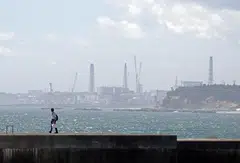
The waste water discharge, approved last month by the UN nuclear watchdog and signed off two years ago by Japan’s government, is a key step in a long and tough process of decommissioning the Fukushima Daiichi plant, which was destroyed by a tsunami in 2011.
China has vocally opposed the move throughout, while Tokyo in turn criticised Beijing for spreading “scientifically unfounded claims”. REUTERS
Decoding Asia newsletter: your guide to navigating Asia in a new global order. Sign up here to get Decoding Asia newsletter. Delivered to your inbox. Free.
Share with us your feedback on BT's products and services
TRENDING NOW

Air India asks Tata, Singapore Airlines for funds after US$2.4 billion loss

Beijing’s calculated silence on the Iran war

China pips the US if Asean is forced to choose, but analysts warn against reading it like a sports result

Richard Eu on how core values, customers keep Singapore’s TCM chain Eu Yan Sang relevant

