

China vows to counter shocks even as economy withstands war
High oil prices can weigh on consumption globally and hurt Chinese exports, a key growth engine in recent years
 Add BT as a preferred source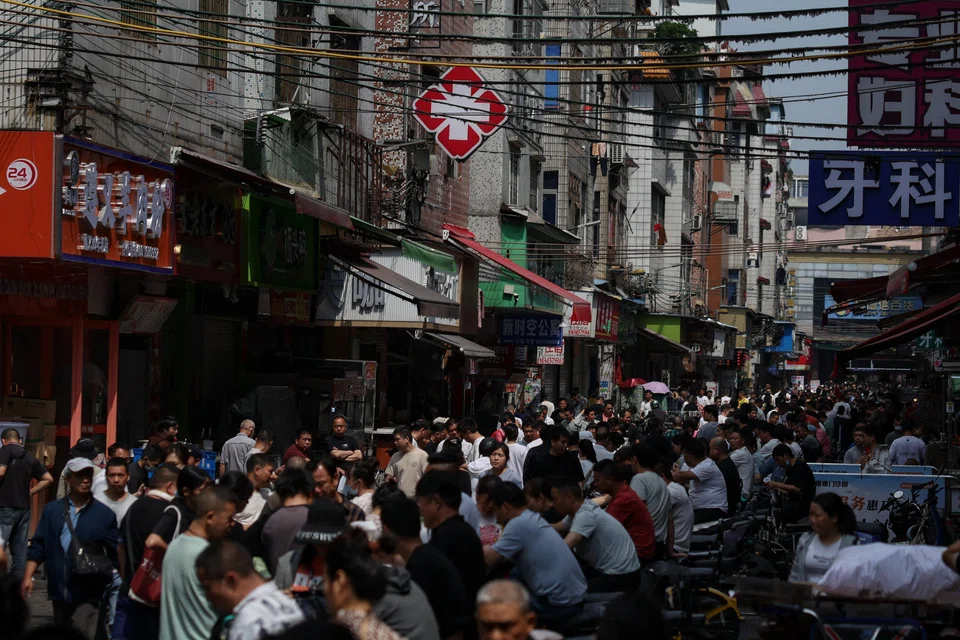
[BEIJING] China’s top leaders pledged to counter external shocks and enhance energy security, while highlighting better-than-expected growth so far in 2026 after the Iran war triggered a global oil shock.
China will “enhance the level of energy and resource security, and counter various uncertainties with the certainty of high-quality development”, said the Communist Party’s decision-making Politburo, led by President Xi Jinping, in its first economy-focused meeting since the war started.
The economy has gotten off to a strong start, with key indicators surpassing expectations, based on an official readout published by the Xinhua News Agency on Tuesday (Apr 28).
That showed the economy’s “powerful resilience and vitality”, even though the improving trend still needed to be solidified, the document added.
China has suffered limited spillovers so far from the war in Iran that triggered a global energy crisis. Growth rebounded more than expected in the first quarter, with Beijing’s years-long efforts to strengthen energy security helping to avert severe disruptions in March.
Still, an extended blockade of the Strait of Hormuz poses a serious threat to the world’s No 2 economy. In addition to pinching supply, high oil prices could weigh on consumption globally and hurt Chinese exports, a key growth engine in recent years.
The Politburo called for “targeted and effective” deployment of fiscal and monetary policies, and pledged to “tap deeply” into the potential of domestic demand by expanding the supply of high-quality goods and services.
The meeting largely reaffirmed existing policy commitments, including a promise to maintain ample liquidity and keep the currency “basically stable”. Officials also highlighted the need to promote technological self-reliance and foster “independent and controllable” supply chains.
For now, upbeat Q1 results will allow Chinese policymakers to wait and assess the situation before rolling out additional stimulus. The government has already boosted public spending and infrastructure investment in 2026, supporting growth.
Expectations for further monetary easing declined as the oil shock lifted the inflation outlook.
Economists at Goldman Sachs no longer forecast a reduction in interest rates this year, even as many still expect a cut to banks’ reserve requirement to ensure abundant market liquidity to absorb government bond sales. BLOOMBERG
Decoding Asia newsletter: your guide to navigating Asia in a new global order. Sign up here to get Decoding Asia newsletter. Delivered to your inbox. Free.
Share with us your feedback on BT's products and services
TRENDING NOW

Knight Frank Singapore CEO Galven Tan resigns after 2.5 years at helm
ABSD deadline extended to up to 7 years for developers of large en bloc sites to encourage reuse of land
15-month wait-out curb lifted for private property owners buying HDB resale flats

Philippines’ income upgrade hides grim reality for most Filipinos

