China weighs tighter rules for firms to list in Hong Kong
It is deliberating on raising regulatory and compliance thresholds for those pursuing so-called H-share listings, sources say
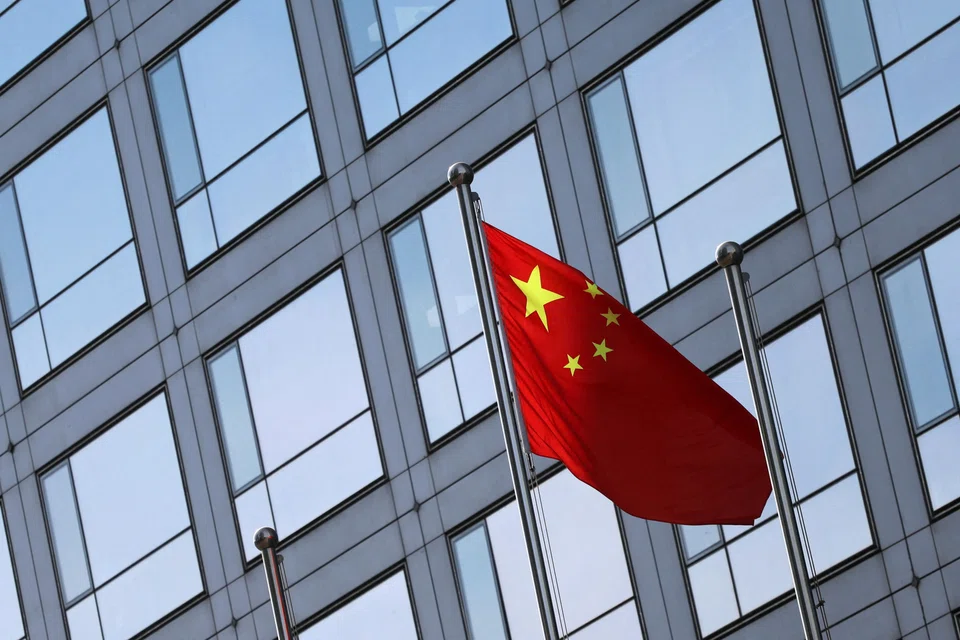
[BEIJING] China’s securities regulator is considering tightening the criteria for mainland companies to sell shares in Hong Kong, after an offshore fundraising boom raised concerns over deal quality, sources said.
The China Securities Regulatory Commission (CSRC) has been deliberating on raising regulatory and compliance thresholds for firms pursuing so-called H-share listings, they shared, asking not to be named as the matter is private.
One potential measure would be to set a minimum market capitalisation limit, the sources said. Publicly traded Chinese companies seeking a dual listing in Hong Kong are also facing more scrutiny.
The proposals remain under discussion, with no final decision yet reached, they said. They reflect a broader effort by Beijing to support the capital markets and the economy while curbing excess speculation and ensuring high-quality offshore issuers.
The CSRC did not immediately respond to a request for a comment.
One Chinese brokerage was guided to set the market value threshold at 30 billion yuan (S$5.5 billion) for companies in China seeking dual listings in Hong Kong, as smaller ones might fail to get registry approval by the CSRC, a source said.
Chinese brokers such as China International Capital (CICC) and Citic Securities are among the leaders in arranging initial public offerings in Hong Kong.
The move would cool a frenzy in Hong Kong’s equity fundraising market, which has been helping the city’s overall economy emerge from a protracted slump.
Hong Kong was the global leader in share sales in 2025, largely driven by a surge in fundraising by mainland Chinese firms, including a US$5.26 billion deal by Contemporary Amperex Technology.
The Hong Kong Exchanges and Clearing (HKEX) declined to comment.
CICC and Citic did not immediately respond to a request for a comment.
The exchange’s share price slid by as much as 2.16 per cent in afternoon trading in Hong Kong. The stock has been up by 44.5 per cent over the past year.
The city currently has more than 350 companies waiting to sell shares, HKEX CEO Bonnie Chan said on Wednesday (Jan 23). Hong Kong saw about US$4 billion from 11 listings in just the first three weeks of the year, she added.
Surge in listings
Second listings of Chinese companies remain a sizeable chunk of this year’s deal pipeline in Hong Kong.
Imminent listings that may fetch more than US$1 billion each in proceeds include those of pig breeder Muyuan Foods and energy-drink maker Eastroc Beverage Group. There is no indication that either of these would be affected by the planned rule changes.
The surge is in part due to new regulations implemented by the CSRC in 2023.
This moved approvals of overseas listings to an easier filing-based system instead of a “small roadshow approval” mechanism.
Currently, there is no official minimum market value, and companies are required to submit an overseas listing application to the CSRC within three days of filing in Hong Kong.
While Chinese officials have voiced strong support for Hong Kong as an international financial centre, they have also emphasised the need to guard against regulatory arbitrage and risks to the country’s reputation.
Chinese regulators have grown concerned over numerous small and medium-sized companies with minimal revenue, persistent losses and a lack of core technologies.
More than 30 companies seeking Hong Kong listings were required to submit additional documents in the past three weeks.
Several companies became the focus of regulatory inspections due to issues such as sustained losses and flaws in compliance qualifications, CSRC data showed.
These regulatory measures are seeking to fill the gap in screening after the previous roadshows were cancelled.
Before the current filing mechanism, companies needed acceptance from the CSRC before submitting to Hong Kong. Officials would then review the offering and decide on whether it would proceed.
Hong Kong’s exchange also eased listing requirements over the past few years to drum up business, offering an easier path for “specialist technology” firms on the mainboard with minimum market capitalisation of HK$6 billion (S$984 million).
HKEX has reduced the required market value for pre-commercial firms to list to at least HK$10 billion from HK$15 billion.
Sub-standard work
Hong Kong officials have also raised concerns about sub-standard work in the listings rush. Hong Kong’s market watchdog and stock exchange in December admonished investment banks working on deals over filing shoddy and incomplete applications.
Hong Kong’s Securities and Futures Commission “remains firmly committed to holding sponsors to the high standards”, a spokesperson said. It is “fully prepared to exercise powers available under the current regulatory framework where warranted”, they added.
Chan said on Wednesday that IPO quality is “non-negotiable”, and that the recent warning letter about sub-par applications was a reminder to professionals that “speed has to go in parallel with quality”.
HKEX’s Chan emphasised that the letter was not a reflection on the quality of those seeking to list, but a reminder to the professionals involved in preparing IPOs.
The decline in standards includes the use of artificial-intelligence-generated documents and a fundamental lack of business understanding.
A significant friction point involves Chinese firms, which often submit incomplete placeholder applications to HKEX to start the regulatory approval process on China’s side, sources said.
Despite these lapses, officials have refrained from returning applications – a move that would publicly shame the banks involved – to avoid upsetting issuers during the market recovery, two of the sources said.
Chan said on Wednesday that the exchange would use its “established mechanism” if stronger action is needed.
A price war has further eroded quality, with some mainland Chinese legal firms charging as little as 1/10 of standard fees, the sources said.
The HKEX has recently returned one application: Beijing Deltaphone Technology, which was sponsored by Sunny Fortune Capital. BLOOMBERG
Decoding Asia newsletter: your guide to navigating Asia in a new global order. Sign up here to get Decoding Asia newsletter. Delivered to your inbox. Free.
Share with us your feedback on BT's products and services