China widens attack on Japan’s ‘nuclear ambition’ as ties sour
The country’s defence ministry accuses Japan of ‘brazenly exporting lethal weaponry’
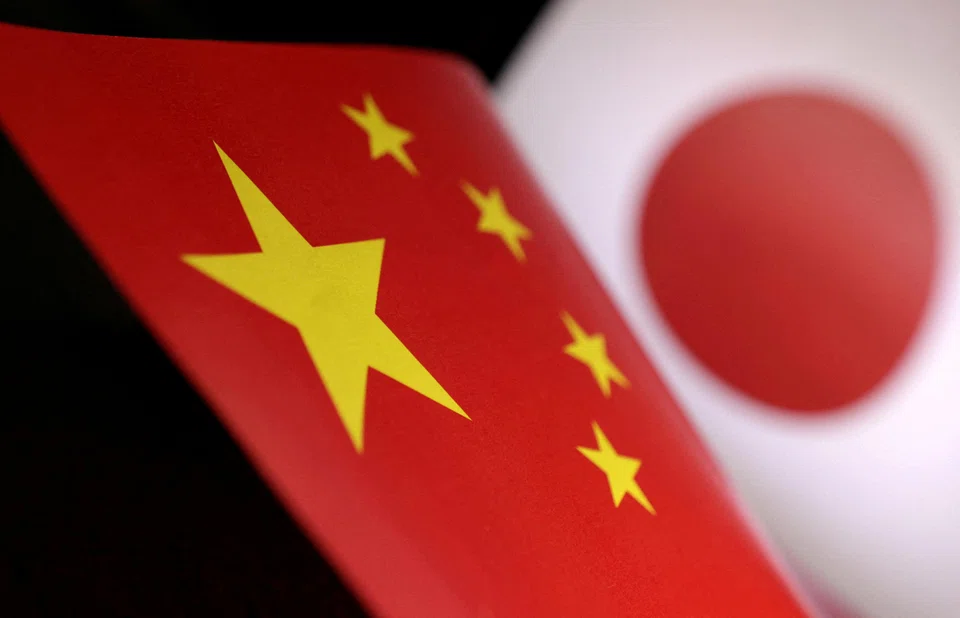
[BEIJING] China is ramping up objections to what it sees as Japan’s desire to acquire nuclear weapons, despite Tokyo’s longstanding renunciation of such arms, deepening another fissure in the two neighbours’ increasingly tense ties.
In what appears to be a concerted effort, China’s foreign and defence ministries issued statements on Thursday (Jan 8), condemning alleged re-militarism efforts by Tokyo.
The remarks came as two of the country’s top think tanks jointly issued a 29-page report, framing recent actions by “right-wing forces” in Japan as posing a “serious threat” to world peace.
While that report did not define “right-wing forces”, the Chinese foreign ministry was more explicit.
Spokeswoman Mao Ning said that Japanese Prime Minister Sanae Takaichi and other senior officials had revealed their ambitions by seeking to revise the three non-nuclear principles, discussing the potential introduction of nuclear-powered submarines and calling for boosting “extended deterrence”.
Mao told reporters that such moves from the Japanese side form a grave challenge to the international nuclear non-proliferation regime.
She added: “They have been met with strong opposition from the international community and people from various sectors within Japan.”
The Japanese prime minister’s office was not immediately available to comment on China’s allegations.
When asked about China’s claims regarding Japan’s nuclear ambitions on Friday, Japanese Foreign Minister Toshimitsu Motegi said: “I’d like to state that there is absolutely no truth to such claims.”


The three non-nuclear principles refer to Japan’s long-standing commitment to not possess, produce or permit the entry of nuclear weapons.
Takaichi has said her government abides by the principles, but has not been clear on whether that commitment will remain unchanged, as the government seeks to overhaul its national defence strategy.
Japan’s 2022 National Defence Strategy
In 2022, Japan launched a five-year, 43 trillion yen (S$351.1 billion) defence buildup. The move was amid growing concerns about Beijing’s military buildup and the possibility that China would attack Taiwan and Japan.
Japan aims to double its defence spending roughly to 2 per cent of the gross domestic product.
Takaichi has accelerated that spending goal to the 2025 fiscal year, while Defence Minister Shinjiro Koizumi has reportedly said that the nation needs to discuss whether to develop nuclear-powered submarines.
The ties between Asia’s top economies deteriorated late last year after Takaichi remarked that if military force were used in a Taiwan conflict, it could be a “survival-threatening situation” for her nation.
That classification would provide a legal justification for Japan to deploy its military to help defend friendly nations.
China’s defence ministry has also accused Japan of “brazenly exporting lethal weaponry”, and going against international sentiment by advocating for the possession of nuclear weapons.
The Japanese leaders have consistently said that the country will not seek atomic weapons.
Still, Itsunori Onodera, the ruling party’s head of research on security, has said that his nation should not shy away from discussing nuclear arms, after it was reported that another lawmaker expressed a personal opinion in favour of such weaponry.
In their report Nuclear Ambitions of Japan’s Right-Wing Forces: A Serious Threat to World Peace, the two Chinese think tanks – China Arms Control and Disarmament Association, and the China Institute of Nuclear Industry Strategy – said that Japan had produced and accumulated plutonium “far in excess of the actual requirements of its civilian nuclear programme”.
Japan also has the “operational platforms” capable of delivering nuclear weapons, it added.
It called for Takaichi to “immediately clarify her dangerous nuclear-related remarks”, and to “strictly restrain” Japanese officials from making irresponsible comments.
It also demanded that Tokyo “unequivocally reaffirm” its commitment to the three non-nuclear principles, and to restate that position in “all relevant official policy documents”.
The report’s authors also called on Washington to refrain from “acquiescing to Japan’s dangerous discourse”, to work to contain Tokyo’s nuclear ambitions, abandon its extended deterrence to Japan and renounce any form of nuclear-sharing arrangements with the Asian nation. BLOOMBERG
Decoding Asia newsletter: your guide to navigating Asia in a new global order. Sign up here to get Decoding Asia newsletter. Delivered to your inbox. Free.
Share with us your feedback on BT's products and services