

China's 6.9 trillion yuan makeover of state-owned enterprises attracts sceptics
Reforming sprawling, inefficient state sector is likely to be a gradual process with progress coming in fits and starts
 Add BT as a preferred source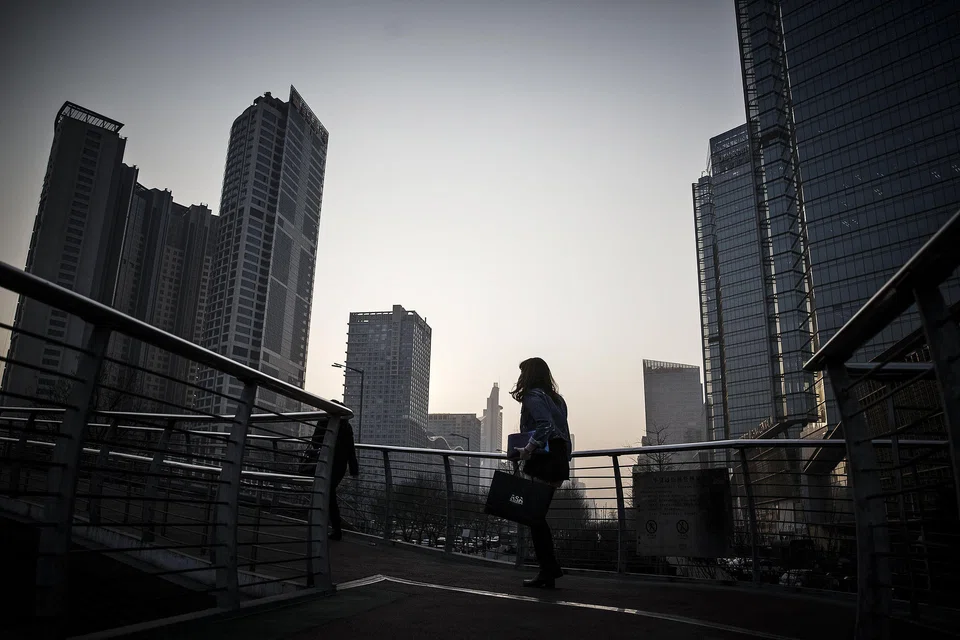
DeeperDive is a beta AI feature. Refer to full articles for the facts.
Shanghai
TO GRASP the scale of the challenges facing Chinese leaders in revamping their sprawling and inefficient state-owned enterprises (SOEs), consider this: the combined revenue of 100-plus government-owned firms, spanning from train makers to banks and power companies, rivals Japan's entire US$4.1 trillion economy.
China's SOE sector, traditionally a source of political patronage and economic power for the Communist Party, accounts for about 40 per cent of China's industrial assets and 18 per cent of total employment, according to Bloomberg Intelligence (BI) economists Fielding Chen and Tom Orlik. These government creations are also dragging down growth, with their return on assets in 2015 estimated to be at 2.8 per cent, versus 10.6 per cent for private sector-firms.
Share with us your feedback on BT's products and services
TRENDING NOW
Vietnam formalises new state leadership, redefining ‘four pillars’ power balance
‘Largest Singapore commercial S-Reit proxy’: analysts say buy CICT shares after Paragon acquisition

From 1MDB to ‘corporate mafia’: Is Malaysia facing a new governance test?
Why where you park your joint venture matters: Lessons from a US$689 million shareholder dispute

