

China’s ceasefire proposal for Ukraine gets quick dismissal
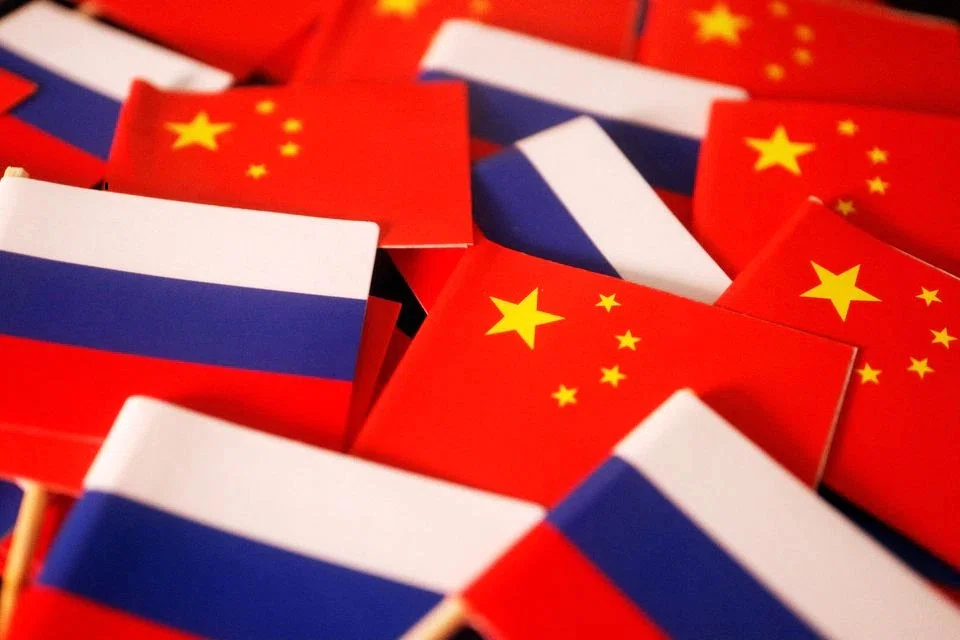
CHINA’S call for a ceasefire between Russia and Ukraine in a 12-point proposal appears to have little chance of winning broad support as the conflict enters its second year.
Several of the measures outlined by China in a position paper issued on Friday (Feb 24) would, if carried out, offer clear benefits to Russian President Vladimir Putin. That includes a ceasefire measure, which would freeze Russian troops in place on Ukrainian territory, as well as a call to immediately end all sanctions not endorsed by the UN Security Council, where Russia holds veto power.
The proposal “will be a non-starter with the US and most European countries,” said Neil Thomas, a senior analyst at the Eurasia Group, a political risk advisory and consulting firm.
US National Security Advisor Jake Sullivan, speaking on CNN, said China’s proposal should have ended after the first bullet point, which calls for “respecting the sovereignty of all countries.”
“This war could end tomorrow, if Russia stopped attacking Ukraine and withdrew its forces,” Sullivan said. “Ukraine wasn’t attacking Russia. Nato wasn’t attacking Russia. The United States wasn’t attacking Russia. This was a war of choice by Putin, waged upon Ukraine.”
China’s recommendations came a day after the country abstained from a United Nations resolution calling for an end to the war. The measure passed 141-7, with 32 abstentions. The UN resolution included a demand for the withdrawal of Russian troops from Ukraine’s territory.
“We do have a peace plan right here in front of us. It’s called - the Charter of the United Nations,” German Foreign Minister Annalena Baerbock said Thursday at the UN General Assembly. “That’s why the road to peace is also very clear: Russia must withdraw its troops from Ukraine. Russia must stop the bombing. Russia must return to the UN Charter.”
That echoes demands from President Volodymyr Zelenskiy’s government, which says it will continue fighting until Russian troops depart. Moscow has shown no sign of stopping its attacks and continues to claim portions of eastern Ukraine and Crimea as its territory after holding faux referendums on annexation.
Skepticism from the US and Europe before the peace proposal was even announced highlighted how, in many capitals, China isn’t seen as an impartial mediator in a conflict that has killed tens of thousands of people and driven millions in Ukraine from their homes.
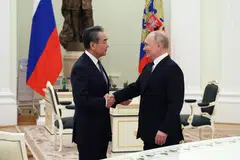
Beijing has repeatedly defended a few of Russia’s justifications for going to war – most prominently to resist the expansion of the North Atlantic Treaty Organization – while insisting it doesn’t support the invasion itself.
Days before releasing the proposal, China’s top diplomat, Wang Yi, met with President Putin in Moscow and called ties between the nations “solid as a mountain” and able to “stand the test of international risks.” Chinese President Xi Jinping, meanwhile, hasn’t spoken to Zelenskiy since the war started, despite speaking with Putin at least four times.
Much of China’s proposal on Friday reiterated long-held foreign policy positions in dealing with the US on issues like Taiwan.
Soon after its release, one European diplomat expressed skepticism, saying that a nation sponsoring a peace plan usually has to engage in intense shuttle diplomacy between all concerned parties before hammering out an agreement that’s acceptable.
That wasn’t China’s style, said the envoy, who was not authorised to speak publicly about the issue. Instead, the Asian nation’s diplomats tended to present a proposal and then criticize anyone who questioned it.
Nevertheless, the Chinese move came soon after Brazilian President Luiz Inácio Lula da Silva appeared to be intensifying his campaign to mediate an end to the war, signalling some of the frustration felt in many middle and lower-income nations about the toll the conflict has taken on the global economy.
Even in Washington, there is some wariness in Congress about how long the US can continue to back Ukraine with little end to the conflict in sight, though that is a minority view. President Joe Biden told Zelenskiy on a surprise trip to Kyiv this week that the US had “unwavering support” for Ukraine.
As the war drags on, however, there’s rising concern that China may be playing a more active role to help Moscow.
Secretary of State Antony Blinken said on Thursday that Beijing probably approved of Chinese firms providing Russia non-lethal, “dual-use” support for its war in Ukraine, remarks that underscore growing US concern that Beijing may help arm Putin’s forces. China has rejected the allegations and accused the US of fanning the conflict by providing weapons to Ukraine. BLOOMBERG
Decoding Asia newsletter: your guide to navigating Asia in a new global order. Sign up here to get Decoding Asia newsletter. Delivered to your inbox. Free.
Share with us your feedback on BT's products and services
TRENDING NOW

He built the Vingroup empire. Now South-east Asia’s richest man is handing some key roles to his sons
Despite the de-dollarisation debate, demand for dollar liquidity in Asia is growing

Can a first-time homebuyer couple earning S$18,000 a month afford a new EC unit?
Asia needs new energy security architecture

