

China’s central bank adds gold for 18th straight month
The addition of 260,000 ounces is the largest single-month increase since January 2025
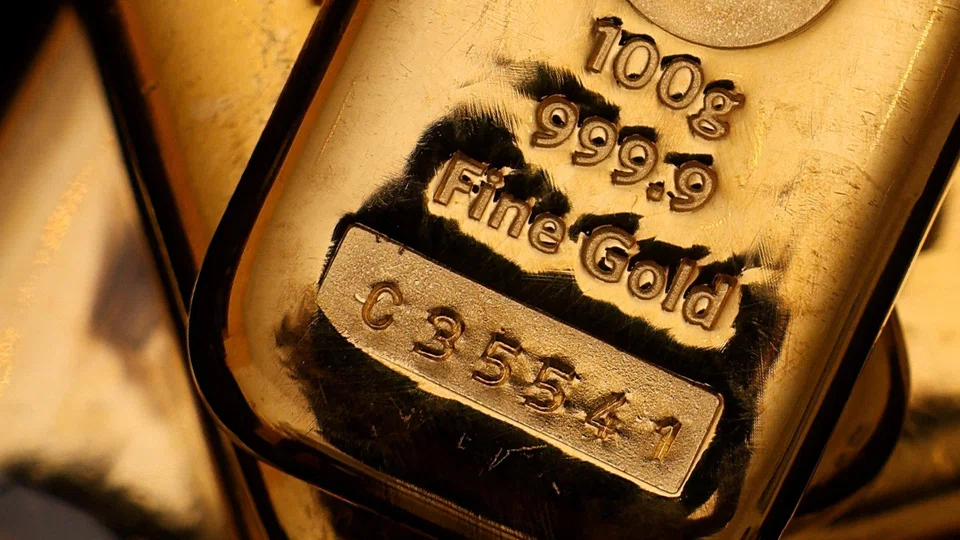
CHINA’S central bank added 260,000 ounces of gold to its reserves in April, marking its 18th consecutive month of purchases and the largest single-month increase since January 2025.
The sustained accumulation reflects a broader trend among global central banks to bolster gold holdings at lower prices, even as volatile bullion markets and geopolitical uncertainty in the Middle East prompted some investors to sell assets for liquidity.
China’s total gold reserves reached 74.6 million ounces at the end of April, according to data released on Thursday (May 7) by the State Administration of Foreign Exchange.
The April addition accelerated from a 160,000-ounce purchase in March, which had already broken a prior pattern of capping monthly additions at 100,000 ounces. The central bank previously bought a record 330,000 ounces in December 2024.
While central banks do not typically prioritise investment returns, costs still influence their asset allocation decisions. Gold prices fluctuated in April, retreating from early 2026 highs to close the month at around US$4,620 an ounce in London after touching a midmonth low of US$4,510 an ounce.
The April fluctuations followed a sharp drop of more than 10 per cent in March, triggered by the outbreak of war in the Middle East. While some investors liquidated gold positions, many central banks used the dip to increase purchases.
Global central banks made net purchases of 244 tonnes of gold in the first quarter of 2026, a 3 per cent year-on-year increase that kept buying above the five-year quarterly average, according to a World Gold Council report.
The report said some central banks, including those of Turkey and Russia, engaged in tactical rebalancing during the quarter.
Beyond gold, China’s foreign exchange reserves rose by US$68.4 billion, or about 2.1 per cent, from the previous month to US$3.41 trillion at the end of April.

It marked the second time in 2026 that reserves exceeded the US$3.4 trillion threshold, following a surge to US$3.43 trillion in February, the second-highest level since November 2015.
The foreign exchange regulator attributed the increase to currency translation effects and changes in asset prices.
The administration said the US dollar index fell while prices of major global financial assets diverged, influenced by macroeconomic data and shifting monetary policy expectations among major economies.
Disruptions in the Strait of Hormuz continued to raise inflation expectations in April, pushing up long-term government bond yields. The yield on the 10-year US Treasury rose by seven basis points, while equivalent yields in the UK and Japan climbed by 12 and 16 basis points, respectively.
Although rising yields weighed on bond prices and reserve valuations, a 1.8 per cent decline in the US dollar index to 98 in April increased the dollar-denominated value of China’s foreign exchange holdings. CAIXIN
Decoding Asia newsletter: your guide to navigating Asia in a new global order. Sign up here to get Decoding Asia newsletter. Delivered to your inbox. Free.
Share with us your feedback on BT's products and services
TRENDING NOW

Two Singapore-listed palm oil firms named in Greenpeace report on Indonesian plantation fires

Singapore Airlines flight returns to San Francisco after ‘unruly’ passenger incident

Singapore looking into which companies responsible for haze-causing fires: PM Wong

Deluge IPO 3.86 times subscribed ahead of SGX debut

