

China’s curbs leave Japan little choice but to look to the US
Any tit-for-tat response from Tokyo would risk compounding economic woes
 Add BT as a preferred source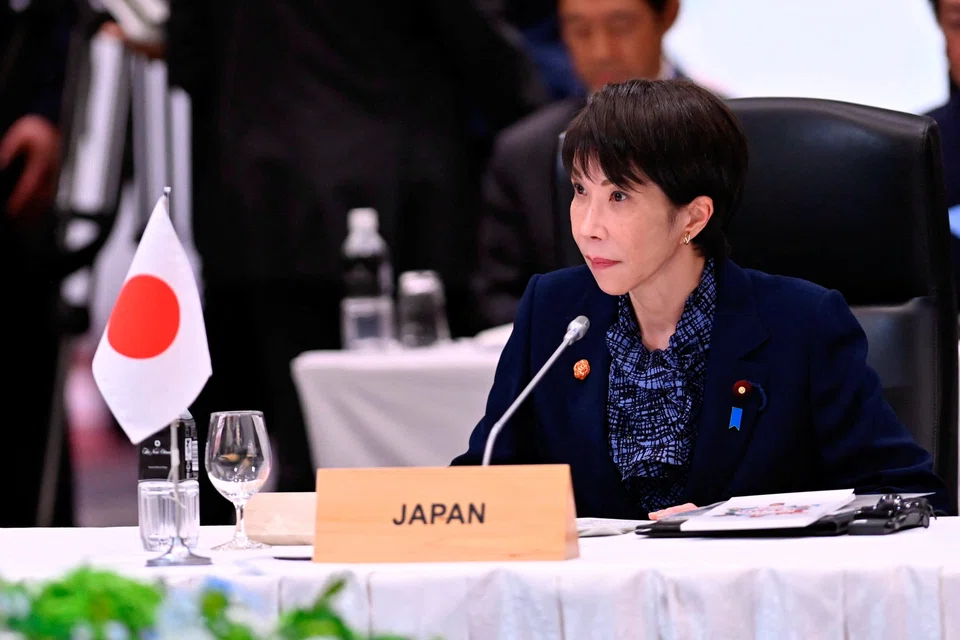
[TOKYO] Japan’s response to China’s latest export controls is likely to be cautious, reflecting both limited options for retaliation and a lack of appetite to escalate an already fraught relationship with its largest trading partner.
Beijing’s ban on exporting any dual-use items to Japan for military use – as well as a separate threat to step up rare-earths curbs – strike at well-known vulnerabilities in Japan’s supply chains. China dominates the global processing of many critical minerals and has used that leverage before to pile pressure on trading partners, including Japan and the US.
Any tit-for-tat response from Tokyo would risk compounding economic woes, especially for Japanese carmakers that require Chinese-source inputs to produce electric vehicles.
In the near term, Japan’s most credible counterweight lies across the Pacific. President Donald Trump has previously offered to give Prime Minister Sanae Takaichi “anything.” Just days ago, Takaichi said she had an “extremely meaningful” call with Trump and would visit the US later this year. Closer coordination with Washington could give Japan added leverage, whether through joint pressure on China or deeper cooperation on critical minerals and industrial policy.
Here are some of the ways Japan could choose to respond:
Turn to the US
Takaichi’s first instinct will likely be to coordinate closely with the US, Japan’s most important security ally. Shortly after Tokyo lodged a protest with Beijing over the latest export curbs, a senior Japanese diplomat held a call with his US counterpart on Wednesday to reaffirm close coordination between the two.
Takaichi is preparing for a visit to Washington, which could come as early as March. Back in November when tensions between China and Japan started to flare, Trump held back-to-back calls with President Xi Jinping and Takaichi – an effort to preserve the trade truce Washington has with Beijing while simultaneously reassuring Tokyo of US support.
Takaichi said at the time: “He told me I’m a very close friend and that I could call him any time.”

Exert pain on China
China holds far more economic leverage over Japan, but Tokyo is not without options. Japan is China’s second-largest market, accounting for about 4% of Beijing’s total exports and serving as an important outlet at a time when global trade frictions are squeezing Chinese manufacturers, Bloomberg Economics said.
Japan is also China’s third-largest source of imports, supplying 6.3% of total inbound goods over the same period, with machinery and electronic equipment making up around 52% of those shipments.
More importantly, Japan holds dominance in some areas where China remains vulnerable. It controls around 90% of the market for advanced photoresist and certain packaging materials that are crucial for making cutting-edge semiconductors. Any move to curb exports in this segment would hit at China’s ambitions to build a self-sufficient chip industry – one of the few levers Tokyo has that could inflict real strategic pain, especially if coordinated with the US and the Netherlands.
Doing so, however, would almost certainly provoke retaliation from Beijing and could backfire on Japan’s own economy, given China’s far greater capacity to absorb and deploy economic pressure.
Coordinate with others on rare earths
With China also considering tighter export licence reviews for certain rare earth-related items to Japan, Tokyo could use that threat to rally support from other countries facing similar risks as the world remains heavily dependent on Beijing for critical minerals.
While Japan’s reliance on Chinese rare earths is still significant, it has made some progress in reducing that exposure since a slump in shipments during a dispute with China more than a decade ago.
After the 2010 embargo, Japan moved to diversify its sources of rare earths. It provided financial backing to Lynas Rare Earths – now the single biggest source of mined supply outside China – and looked for alternative resources including recycling, and built up stockpiles to cushion against supply shocks.
Rather than absorbing Beijing’s pressure alone, coordinating with other nations allows Japan to strengthen its bargaining power and accelerate efforts to build alternative supply chains, even if those efforts will take time to fully bear fruit.
Diplomatic channels
On the diplomatic front, Japan is expected to press its case through established platforms such as the Group of Seven and the United Nations, even as China works to court other countries to bolster support for its own position.
Japan is a core member of the G-7 and uses the forum to align positions with other advanced economies on trade, supply chains and economic coercion. Raising concerns about China’s export controls there would be an easy sell, since other members share similar concerns about critical minerals and industrial security.
Even so, Tokyo is likely to tread carefully. Its broader strategy is focused on avoiding adding fuel to the fire, prioritising de-escalation and seeking a resolution through dialogue with China rather than retaliation. BLOOMBERG
Decoding Asia newsletter: your guide to navigating Asia in a new global order. Sign up here to get Decoding Asia newsletter. Delivered to your inbox. Free.
Share with us your feedback on BT's products and services
TRENDING NOW

Simba ordered to pay S$700,000 in damages to indoor skydiving operator Altitude Xperience for trespass

Malaysian tycoon Vincent Tan’s sell-downs point to pruning rather than an exit plan

What’s wrong with Orchard Road? Experts weigh in on the street’s cachet and its future

Scaling Berli Jucker’s retail empire – daughter of Thai beer billionaire seeks growth outside home country

