

China’s feud with Japan worsens as Tokyo slams export controls
Beijing’s dual-use export control list features more than 800 items, particularly rare earths
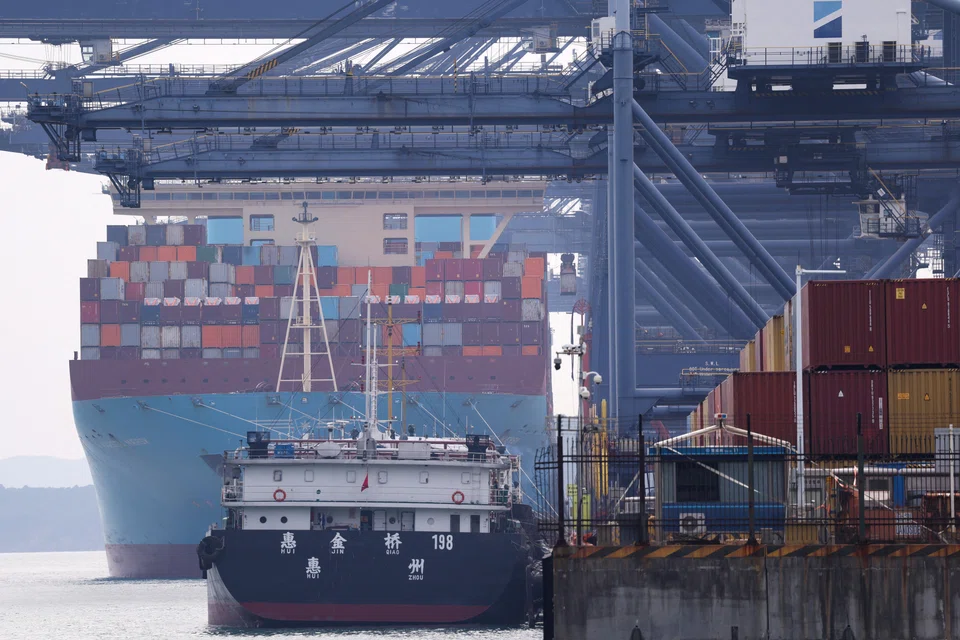
[TOKYO] Tokyo protested China’s announcement of export controls on items shipped to Japan that could have military uses, the latest flare up in diplomatic tension between the two Asian nations in a dispute related to Taiwan.
Masaaki Kanai, director-general of the Asian and Oceanian Affairs Bureau at Japan’s Foreign Ministry, made the protest and demanded the withdrawal of the measures to Chinese Deputy Chief of Mission Shi Yong hours after the action was announced on Tuesday (Jan 6), according to the ministry.
Kanai told Shi that the measures were “absolutely unacceptable and deeply regrettable”, and deviate significantly from international practice, according to a statement from the ministry.
On Tuesday, China’s Ministry of Commerce said that all dual-use items with military purposes were banned from being exported to Japan, effective immediately. Beijing is considering tighter export license reviews for certain medium and heavy rare earth-related items, state-run China Daily reported on Tuesday.
The trade action comes amid a diplomatic standoff following remarks made by Japanese Prime Minister Sanae Takaichi in early November that suggested Tokyo could deploy its military if China uses force to try and seize Taiwan. Beijing responded angrily and demanded Takaichi withdraw her remarks. She has refused, saying Japan’s position over Taiwan remains unchanged.
Since then, China has restricted tourism to Japan, made protests at the United Nations and stepped up military manoeuvres, among other measures. The impact of the latest step on dual use items on economic activity is not fully clear, but it could include squeezing rare earth supplies.
Rare earth elements are an important raw material for military equipment, including in high strength magnets used in missile guidance systems and fighter jet motors.
Restricting rare earths supplies has long been raised as one potential avenue for Beijing to pile pressure on Tokyo, especially after China used its dominance of the industry last year to stare down US tariffs.
Japan relied on China for around 70 per cent of its rare earth imports as at 2024, according to the Japan Organization for Metals and Energy Security. That was more than a decade after China had wielded the materials as a weapon against Tokyo during a 2010 territorial dispute. At that time, the Chinese move wreaked havoc across Japan’s manufacturing industry.
China’s statement about export controls was vague, but the ambiguity may be intentional. “By triggering concern in Japan about the ongoing availability of critical Chinese industrial inputs, the announcement puts immediate pressure on Takaichi to offer concessions,” Teneo analysts James Brady and Gabriel Wildau said in a research note.
China’s dual-use export control list features more than 800 items, ranging from chemicals, electronics and sensors to equipment and technologies used in shipping and aerospace.
“Whether the impact remains limited or becomes more substantive will ultimately depend on how the rules are enforced, but the institutional setup clearly leaves room for meaningful pressure should Beijing choose to apply it,” said Kenichi Doi, a senior research fellow at the Institute of Geoeconomics in Tokyo.
In announcing the export controls, a Chinese Ministry of Commerce spokesperson explicitly linked them to the dispute over Takaichi’s comments.
“Japan’s leader recently made erroneous remarks on Taiwan, hinting at the possibility of military intervention in the Taiwan Strait,” the ministry spokesperson said in a statement on Tuesday. Those comments were of “malicious nature with profoundly detrimental consequences”, according to the spokesperson. BLOOMBERG
Decoding Asia newsletter: your guide to navigating Asia in a new global order. Sign up here to get Decoding Asia newsletter. Delivered to your inbox. Free.
Share with us your feedback on BT's products and services
TRENDING NOW

ComfortDelGro appoints two new independent directors

Once staunchly pro-China, Malaysian Chinese businesses are now distancing themselves from Beijing

NoonTalk needs continued financial support from CEO Dasmond Koh, auditors warn

DP Architects sets the benchmark for sustainability disclosure and design

