China’s smartphone sales drop 13% during shopping festival as memory costs limit discounts
Huawei Technologies leads the market with a 21 per cent
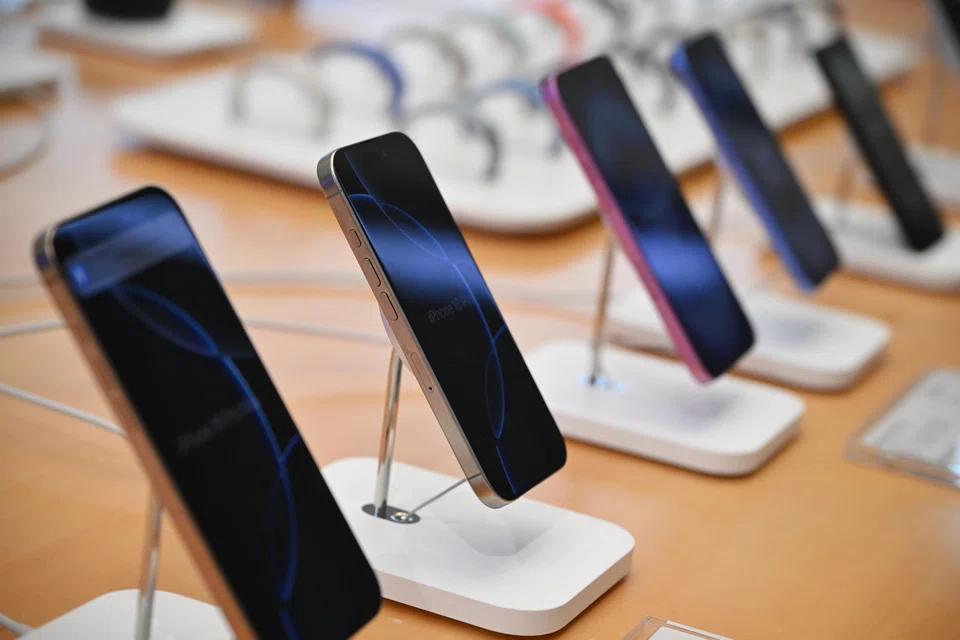
[BEIJING] Smartphone sales in China fell 13 per cent year-on-year during the month-long 618 shopping festival, as brands raised prices to offset higher memory costs, according to data from Counterpoint Research.
Sales declined from May 26 to Jun 21, with all major Chinese brands except Huawei posting double-digit drops as fewer promotions compared to last year weighed on demand. Honor sales dropped 33 per cent, while Xiaomi’s fell 24 per cent.
Higher memory prices amid a rapid build-out of AI infrastructure have pushed up handset costs this year, leaving brands with less room to offer steep discounts during the 618 festival, seen as a barometer for the country’s booming e-commerce sector.
“Some older and newer models from Chinese smartphone brands were priced higher than comparable models a year earlier, while discounts during this year’s 618 festival were generally less aggressive, both in terms of the size of price cuts and the range of products covered,” said Ivan Lam, senior analyst at Counterpoint Research.
“Apple’s prices were broadly unchanged, but its discounts were also smaller.”
Huawei Technologies led the market with a 21 per cent share, and was the only major brand to record year-on-year growth during the 618 period, with sales rising 19 per cent.
Its Enjoy 90 Pro Max was its best-selling model. The Mate 80 also performed well, supported by promotions.
Apple’s sales fell 9 per cent from a year earlier, although the US tech giant climbed to the No. 2 spot after rolling out incentives about a month ahead of Jun 18.
The discounts offered savings of up to 2,000 yuan (US$295) on the iPhone 17 Pro series through a mix of official price cuts, platform subsidies and trade-in deals.


Still, Apple’s sales remained lower than a year earlier, partly because promotions for the iPhone 16 series were more aggressive during the same period last year.
The 618 festival, which began as a one-day event marking JD.com’s founding on June 18, 1998, has since grown into a month-long sales campaign, with major e-commerce platforms competing for consumer spending.
In recent years, however, China’s biggest shopping festivals have struggled to generate their former buzz, as extended discount periods and weak consumer sentiment have curbed appetite for non-essential spending, even at reduced prices.
Counterpoint said the 618 festival helped smartphone sales recover in June from the previous month. But it added that the market was likely to enter a seasonal slowdown afterward and post a double-digit decline in shipments for the year. REUTERS
Decoding Asia newsletter: your guide to navigating Asia in a new global order. Sign up here to get Decoding Asia newsletter. Delivered to your inbox. Free.
Share with us your feedback on BT's products and services