Chinese rush to stock up on antigen kits, medicine as Covid curbs ease
 Add BT as a preferred source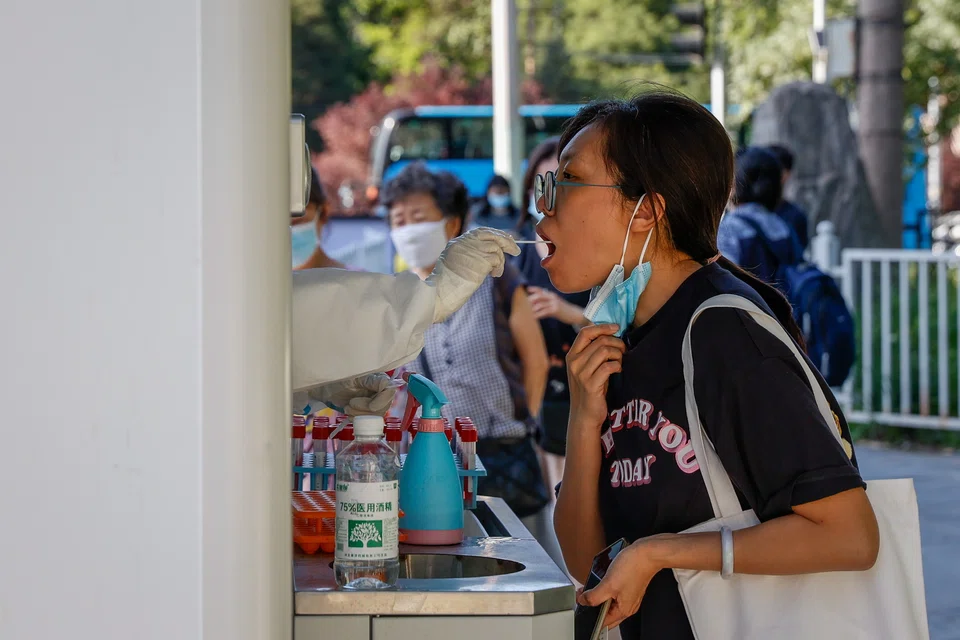
DeeperDive is a beta AI feature. Refer to full articles for the facts.
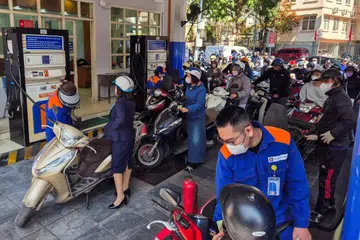
CHINESE residents rushed to snap up Covid-19 antigen kits and medicine for fevers and colds, as the country’s recent easing of preventive measures triggered widespread concern among the public that they could now catch the virus.
Online medicine platforms, pharmacies and drugmakers reported surging sales in recent days. JD Health, China’s largest online healthcare platform, said that antigen test kit sales jumped 344 per cent in the past week.
“People around me are all buying antigen kits and I also bought 50,” said 40-year-old Beijing resident Huang Yuqi, who works for an entertainment company.
“Now the country is entering a new phase in terms of pandemic policy, I’m unsure about what will happen next. We can only try to protect ourselves, so I’m also buying N95 face masks, Tylenol and Ibuprofen.”
A shop assistant at the Tongzhitang Dongdan drugstore in downtown Beijing told Reuters that the store had sold out its stocks of fever medicine on Monday (Dec 5). “I have never seen so many customers come to buy fever medication in one day,” he said. “We are trying to refill our shelves, but it may take a week.”
On Monday, the market regulator in Beijing issued a warning against hoarding and hiking prices for epidemic-prevention products, including anti-viral drugs, masks and disinfection and sterilisation merchandise.
Navigate Asia in
a new global order
Get the insights delivered to your inbox.
The surge in demand drove up medicine manufacturers’ share prices, with cough syrup producer Guizhou Bailing and Xinhua Pharmaceutical – which makes 40 per cent of all Ibuprofen sold in China – jumping about 8 per cent to 10 per cent on Tuesday.
China’s strict adherence to its zero-Covid policy over the last three years has kept its general public largely insulated from the waves of infection that whipped around the wider world.
By global standards, China suffered far fewer cases and deaths, but the economy paid a price for the tough restrictions on movement.
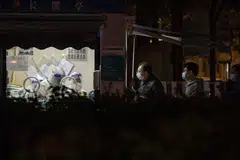
Authorities finally started to ease some of the toughest restrictions after the public’s frustration boiled over late last month; a wave of protests marking the strongest show of dissent since Chinese President Xi Jinping came to power a decade ago broke out.
While many people are relieved that some requirements have been relaxed – which includes less testing and allowing positive cases to quarantine at home in some places – there are many others who now feel more vulnerable to catching the virus.
There is also some scepticism over the shift in tone and messaging from officials, who had previously emphasised the dangers of the Omicron variant of Covid-19.
Over the past three years, China also required its people to register their names to purchase fever and cold medicine, in order to track potential infections. Some localities have begun to drop such requirements.
People worried about catching Covid are also buying Lianhua Qingwen, a traditional Chinese formulation made by Shijiazhuang-based Yiling Pharmaceutical. It has been widely promoted in China as a Covid-19 treatment.
Shandong-based pharmaceutical company Buchang Pharma told local news outlet Cailianshe that its factory, which makes a Chinese medicine for lung disease, was working around the clock due to “huge demand”.
The rush to stock up on Covid treatments drew scorn from state media.
“There is no scientific basis for irrationally buying and hoarding specific drugs,” Economic Daily wrote on Tuesday. REUTERS
Decoding Asia newsletter: your guide to navigating Asia in a new global order. Sign up here to get Decoding Asia newsletter. Delivered to your inbox. Free.
Share with us your feedback on BT's products and services