

Chinese tourists flock to South Korea over Japan for Chinese New Year holiday amid visa ease
Popular destinations include Seoul, the second-biggest city Busan and tourism hub Jeju Island
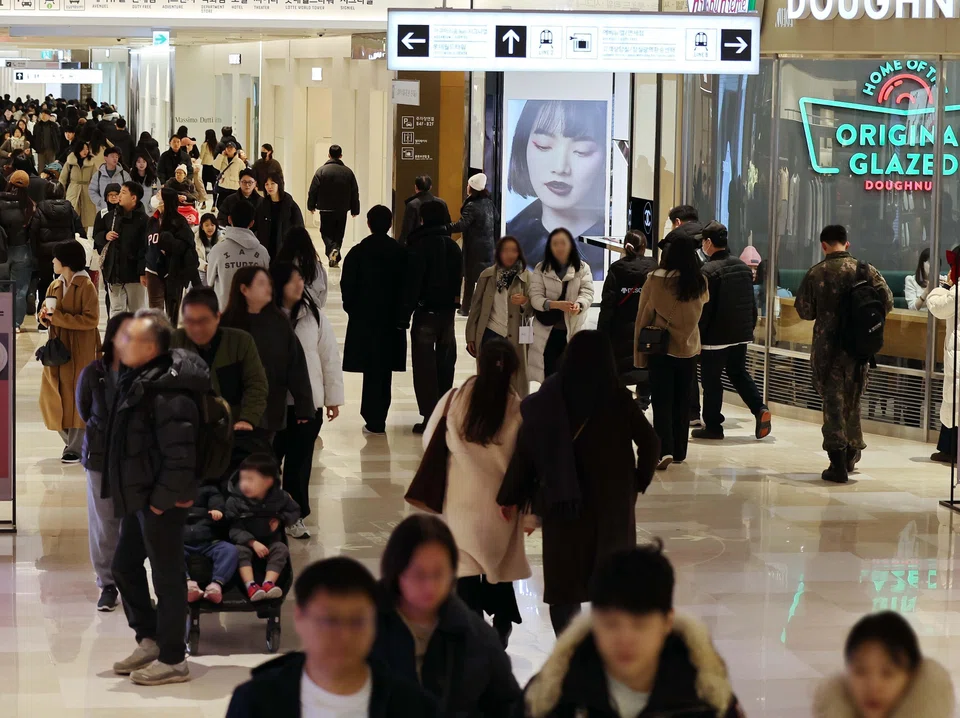
[HONG KONG] Bookings estimates and flight data show South Korea is on track to overtake Japan as the top destination for Chinese travellers during the upcoming Chinese New Year holiday for the first time since the Covid-19 pandemic.
Some 230,000 to 250,000 mainland visitors are expected to arrive in South Korea for the nine-day holiday starting Feb 15, according to market researcher China Trading Desk, which specialises in travel analysis. That’s a jump of as much as 52 per cent over last year’s break, which was a day shorter.
Japan, a recent favourite for Chinese travellers due to a weaker yen, faces a hollowing out of its mainland tourism trade, with arrivals from China forecast to nosedive as much as 60 per cent from last year’s holiday, China Trading Desk said. The pivot reflects rising diplomatic friction between Beijing and Tokyo, Seoul’s aggressive easing of visas for Chinese tour groups and concerns over safety in another regional tourism hotspot, Thailand.
A favourable exchange rate between the Chinese yuan and South Korean won has added to South Korea’s appeal, alongside the global spread of its pop culture. Popular destinations include Seoul, the second-biggest city Busan and tourism hub Jeju Island.
“The weak won makes Seoul, Busan and Jeju feel like good value for money on shopping and dining, just as the weak yen trade in Japan has been complicated by politics,” said Subramania Bhatt, China Trading Desk’s chief executive officer. “Add in K-culture and the fact that cruise lines and tour operators have literally rewritten itineraries from Japan to Korea for Spring Festival, and you get a very natural substitution effect.”
The divergence underscores how quickly geopolitical winds can reshape Asia’s US$500 billion tourism map. China first issued a travel advisory cautioning against visits to Japan in November after Japanese Prime Minister Sanae Takaichi made controversial remarks about Taiwan.
On Monday, China again warned its citizens against travel to Japan, with state media citing “severe” safety risks during the holiday.
Many mainland travellers have also scrapped trips to Thailand after a Chinese actor was abducted there and later rescued from a scam centre in neighbouring Myanmar, while a bloody border conflict with Cambodia deterred others. Seoul has moved quickly to fill the vacuum, extending a visa-free entry policy for Chinese tour groups to June.
The surge marks a reversal from 2017, when a diplomatic spat triggered by South Korea’s deployment of a US missile shield led to a steep drop in Chinese visitors to the country. In a sign of warming ties, South Korean President Lee Jae Myung visited Beijing this month for his second meeting with Chinese counterpart Xi Jinping in just over two months, the first such trip to China by a South Korean leader since 2019.




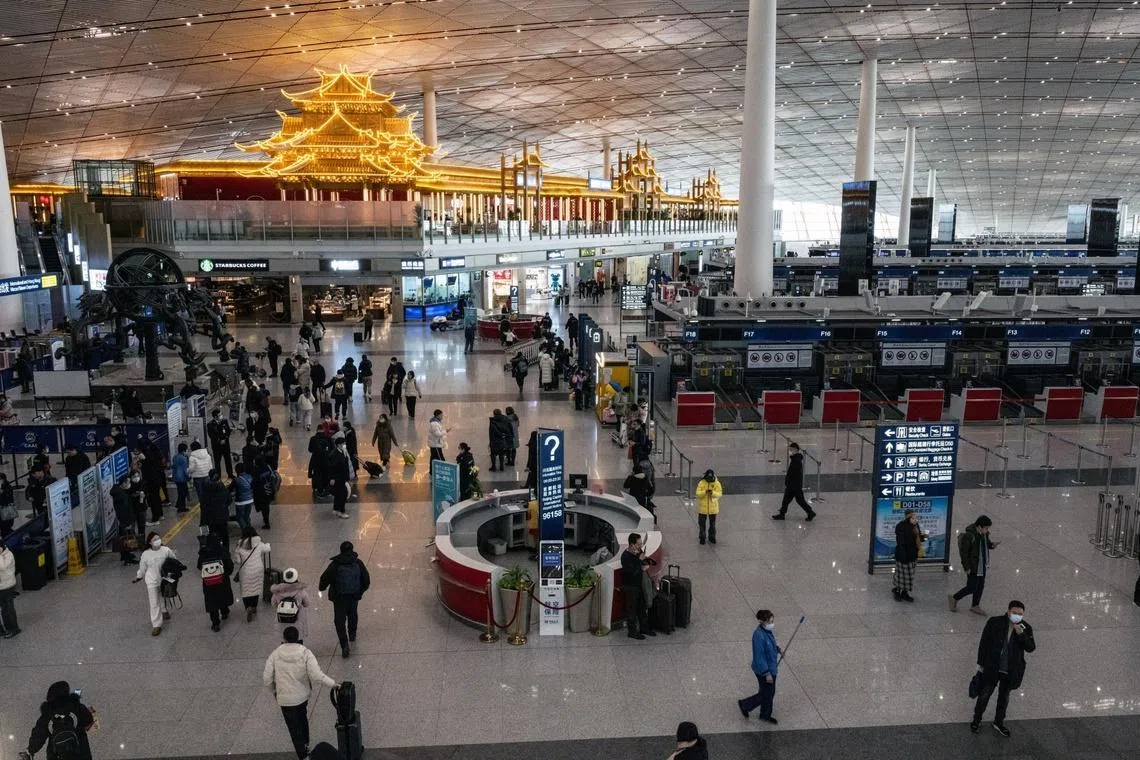
Airlines are rushing to adjust capacity. Flights between mainland China and South Korea have jumped nearly 25 per cent from a year ago to more than 1,330 for this holiday, according to Cirium aviation data. By contrast, scheduled flights from China to Japan have slumped 48 per cent to just above 800. Major Chinese airlines have extended waived cancellation fees for Japan flights to late October.
Tony Medina’s Seoul Medical Guide, a consultancy that connects tourists to local skincare and plastic surgery clinics, has been inundated in recent weeks with several hundred inquiries from prospective clients in mainland China looking for beauty treatment appointments during the break.
Last year, he received only a handful of requests from independent mainland travellers for the upcoming holiday.
“Twenty years in Korea and I haven’t seen a surge like this,” said Medina, who was baffled given that his medical tourism business does not market its services in China or in Mandarin Chinese. “Everywhere you go, you will see more Chinese and you will also hear more South Koreans talking about the influx.”
‘Travel buddy’ visas
Lisa Zhang, a 20-year-old college student from southern China’s Guangxi province, is among the legions of mainland visitors headed to Seoul next month. She had wanted to go to Japan for skiing, but said the cheaper won and geopolitical tensions prompted her first-ever, five-day visit to South Korea.
Zhang is travelling with new friends – strangers she met on the popular social media platform Xiaohongshu, and planning to split costs on a tight budget. While Zhang obtained an individual visa, other Chinese travellers have turned to social media to form ad-hoc groups to qualify for South Korea’s eased entry policy.
“My parents will probably get nervous if I go to Japan for a holiday,” said Zhang. “I think anti-China sentiment in Japan is relatively strong now, and they would worry it might pose a threat to my personal safety.”
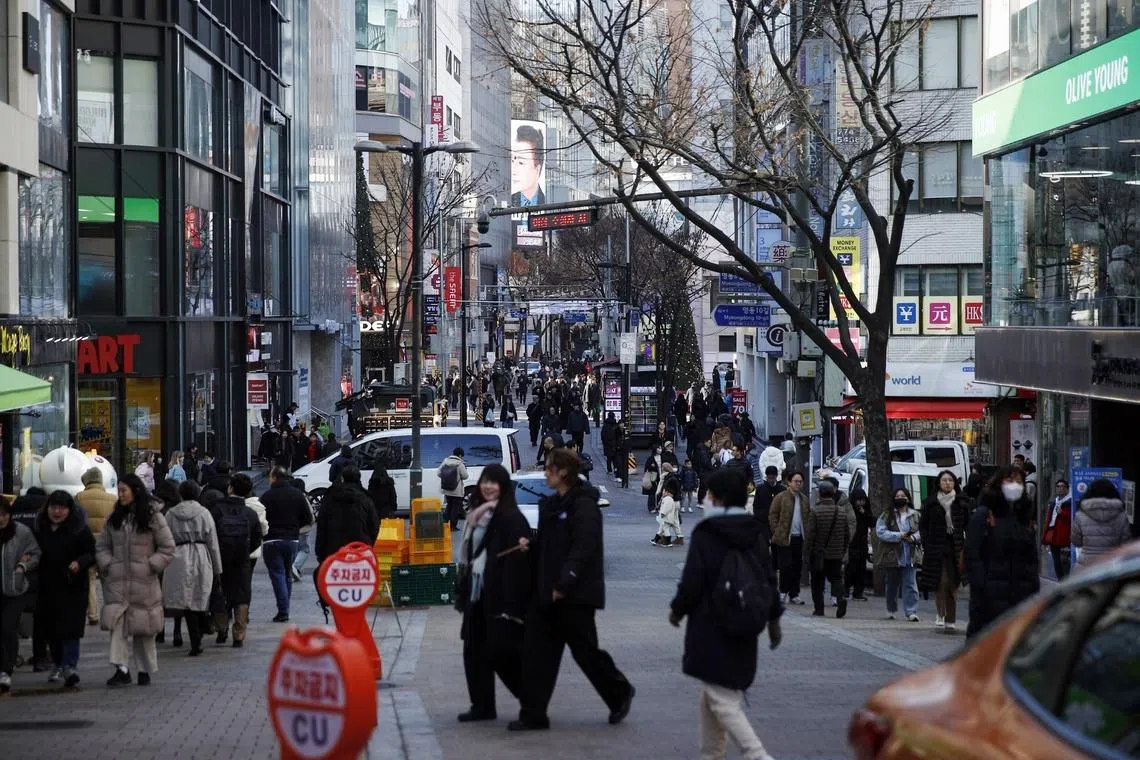
The economic impact of the China tourism boom is stark. Mainland visitor spending is expected to top US$330 million for the holiday week alone in South Korea, surpassing the US$250 million to US$300 million they are forecast to spend in Japan, according to China Trading Desk.
More than seven million mainland tourists are expected to visit South Korea in 2026, up 15 per cent from last year, according to Yanolja Research, a think tank run by South Korean travel company Yanolja. Investors have taken notice: South Korean retail and consumer stocks have gained in recent weeks as investors bet that frosty China-Japan ties will redirect spending towards Korean businesses.
Still, not everyone in South Korea is welcoming the influx. Local media and social platforms have linked rising crime to the surge in mainland visitors, though the government has largely dismissed the claim as groundless. A petition calling for parliament to scrap the visa-free policy gathered about 60,000 signatures.
Meanwhile in Japan, weak visitor traffic from China, its biggest source of tourist spending, is expected to persist through the first quarter, Bloomberg Intelligence said. Japan will likely see its first dip in foreign tourists this year since the pandemic, with arrivals falling 2.8 per cent to 41.4 million travellers, according to leading travel agency JTB. Bookings from China for January to April have fallen about 50 per cent, JTB said.
“For Japan, the risk is less about one bad holiday week and more about a reset in expectations,” said China Trading Desk’s Bhatt. BLOOMBERG
Decoding Asia newsletter: your guide to navigating Asia in a new global order. Sign up here to get Decoding Asia newsletter. Delivered to your inbox. Free.
Share with us your feedback on BT's products and services






