

Citigroup wins licence to set up fully-owned China Securities unit after nearly 5-year wait
It will provide onshore capital market services to domestic and international clients
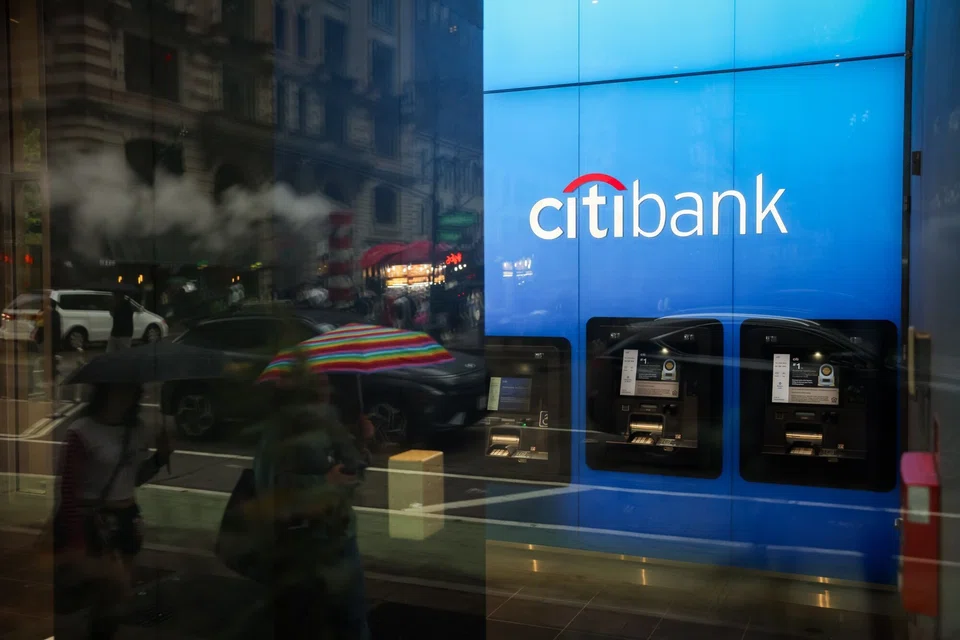
[BEIJING] Citigroup has received approval to launch a wholly owned securities business in China, ending a nearly five-year journey marked by regulatory friction in both Washington and Beijing.
The green light, confirmed by the lender and announced by China’s regulator, came just weeks after Chinese leader Xi Jinping and US President Donald Trump met in Washington.
The company will have a registered capital of 1.2 billion yuan (US$180 million), said Chinese regulators.
The Wall Street company’s path to a standalone presence in the world’s second-largest economy has been fraught with delays. Since applying in late 2021, the bank has had to navigate shifting Chinese data-security rules and scrutiny from US regulators.
Headquartered in Shanghai, Citigroup Securities (China) will provide onshore capital market services to domestic and international clients, including underwriting, equities brokerage, investment advisory, research and trading in listed securities, going by a statement.
A late entrant to China’s domestic securities market, Citi has to rebuild its footprint after dissolving its investment-banking joint venture with Orient Securities in 2019 and, more recently, exiting consumer banking in China amid a global pullback.
The bank has spent the past couple of years building its commercial-banking franchise in China, focusing on the less glamorous but steady business of trade finance, transaction services and hedging.
Muted returns in China
Citigroup’s approval follows a period in which peers including Goldman Sachs and Morgan Stanley established China securities units.
However, returns have been muted as slowing economic growth and a prolonged slump in capital markets activity weighed on deal flow.


While a turnaround in stocks and deal activity in 2025 helped some early comers such as Morgan Stanley Securities and UBS Securities to deliver strong growth in profits in 2025, those that are late to the game are still struggling to break even amid intensified competition.
Global banks in China have swung between expansion and retrenchment since Covid, but those that stayed the course are now making more money, as much of their China-related earnings still come from Hong Kong listings and offshore business.
For all their bullishness on the market’s potential, the onshore build-out has been slow, and Wall Street has yet to turn its global strengths into real scale in China.
Despite the wait for the securities licence, Citi maintains an extensive infrastructure on the mainland, including bond clearing and settlement services, futures margin depository bank, corporate bond underwriting and domestic fund custody licences to serve institutional investors.
Citi had plans to build an onshore team of more than 100 staff, initially focusing on underwriting renminbi-denominated equities and futures trading.
The company has already hired key executives, including a CEO, chief financial officer and chief compliance officer for the securities business.
The approval follows an optimistic outlook shared by Jane Fraser, company CEO and chair of the board, during a Citigroup conference in Shanghai in late 2025.
At the time, she said that the bank was growing “rapidly” in the region, driven by a resurgence in interest from both multinational corporations and Chinese companies.
Under Fraser’s strategy, the company has shifted its targets towards “vibrant” segments, specifically Chinese companies seeking to expand their global footprint and institutional clients with complex cross-border financial needs. BLOOMBERG
Decoding Asia newsletter: your guide to navigating Asia in a new global order. Sign up here to get Decoding Asia newsletter. Delivered to your inbox. Free.
Share with us your feedback on BT's products and services
TRENDING NOW

OCBC mobile, online banking services restored after Friday afternoon disruption

SGX CEO Loh Boon Chye to step down; succession planning under way

Waymo founder predicts ‘landslide’ robotaxi adoption in Singapore, driven by high car costs

Vietnam’s northern provinces, not Hanoi or Ho Chi Minh City, are powering near 10% GDP growth

