Companies risk fines of 6% global turnover for unfair digital trade practices: EU draft law
It’s Europe’s latest push to get Big Tech to do more to police content on their platforms
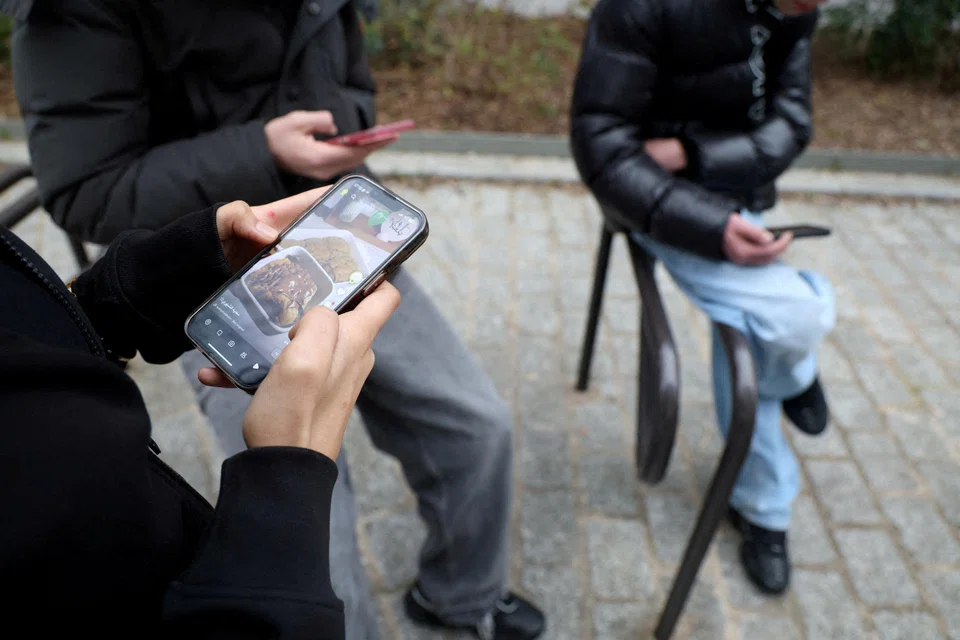
[BRUSSELS] Companies found guilty of using unfair digital trade practices to push people to buy more or target children with personalised advertising risk fines of as much as 6 per cent of annual global turnover, according to a European Commission draft law seen by Reuters.
The Commission’s Justice chief Michael McGrath will present the proposed legislation known as the Digital Fairness Act (DFA) on Wednesday, which will need to be thrashed out with EU countries and the European Parliament before it can become law.
The DFA is the latest legislative push by Europe to get Big Tech, e-commerce and social media giants to do more to police content on their platforms.
It would ban so-called business-to-consumer “dark patterns” — deceptive or manipulative interface designs on websites and apps that steer people into buying more — as unfair commercial practices, the document said.
The Commission also wants to ban personalised advertising targeting children or vulnerable consumers.
Companies using dynamic pricing, where ticket prices fluctuate based on real-time demand and which has triggered criticism from consumers, will be required to be more transparent by disclosing the number of items available at the advertised price.



Traders will have to give users the opportunity to switch off addictive features that encourage compulsive or excessive use, the document said.
Finance Watch, which campaigns for the public interest in financial services rulemaking, said the proposed legislation does not do enough to protect consumers investing online.
“The proposals on dark patterns go in the right direction, but they lack ambition to sufficiently protect consumers in financial services,” said Peter Norwood, senior research and advocacy officer at Finance Watch. REUTERS
Decoding Asia newsletter: your guide to navigating Asia in a new global order. Sign up here to get Decoding Asia newsletter. Delivered to your inbox. Free.
Share with us your feedback on BT's products and services