Companies seen as gainers or losers amid Gulf spat
Dubai
WITH Qatar increasingly isolated from its Gulf neighbours in an escalating geopolitical crisis, the economic and financial implications are starting to emerge.
The country accused by Saudi Arabia, Bahrain, the United Arab Emirates and Egypt of supporting Islamist militant groups relies on other Gulf states for about 20 per cent of its imports and almost half of its tourists, according to Dubai-based Arqaam Capital Ltd. Billions of dollars of infrastructure projects are also at stake as it prepares to host the 2022 World Cup.
"We expect the move to cut diplomatic ties with Qatar could have significant economic ramifications for its economy, but to have barely an effect on the rest of the GCC," said Arqaam's head of equity research Jaap Meijer. "We expect consumer prices in Qatar to be affected first, though economic growth and government projects should also be affected."
Here's a look at how the crisis could impact companies in the region:
Banking
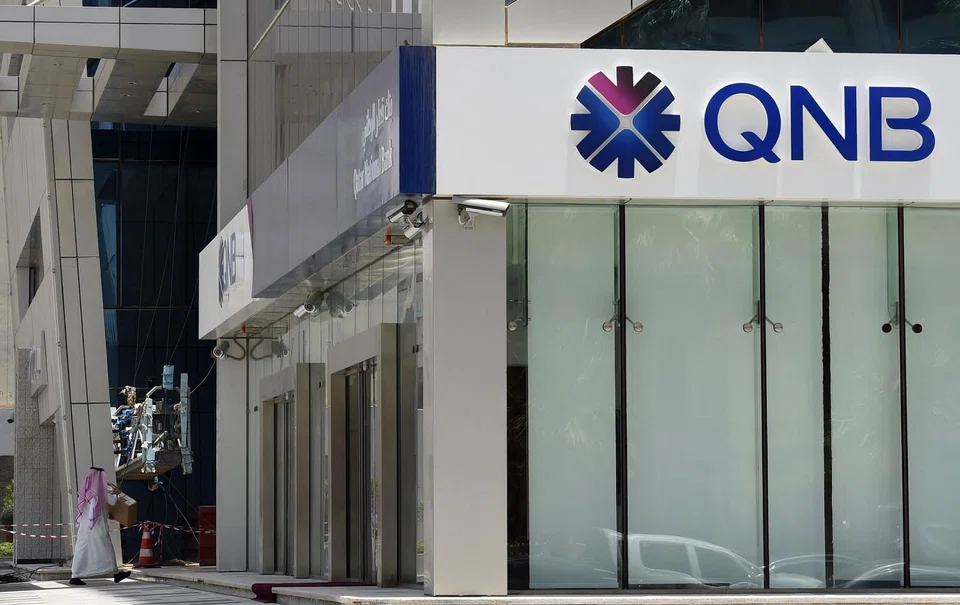
Foreign deposits, especially from the six-nation GCC, that have helped sustain institutions like Qatar National Bank QPSC and Commercial Bank QSC are at risk.
Qatar's domestic banking system relies heavily on foreign cash. Non-resident deposits made up 24 per cent of deposits in the country's 18 lenders in April, according to the central bank, as compared to 1.2 per cent in Saudi Arabia and 12 per cent in the UAE.
Potential Losers: QNB, the Middle East's largest lender, traded last week at the cheapest valuation to global peers since 2013 based on price-to-estimated future earnings.
"QNB is heavily reliant on foreign funding, and is highly exposed to GCC and Egyptian markets," said Aarthi Chandrasekaran, vice-president for research at Shuaa Capital PSC. "We would refrain from Qatari banks in general, despite a sharp correction in recent times."
The UAE's biggest lenders, First Abu Dhabi Bank PJSC and Emirates NBD PJSC, could "experience a slowdown in business coming from Qatar", according to brokerage Mena Corp. "The impact could affect deposits and loans as Qatari-based clients might withdraw cash to avoid uncertainties arising from governmental decisions on freezing accounts and so forth."
Energy and Utilities
The diplomatic dispute could give US natural gas exporters a stronger foothold in the global market. Tankers carrying liquefied natural gas from Qatar have been diverted after the blockade.
Unlike many LNG cargoes, US supplies aren't restricted by contract to specific destinations, making American exports a flexible source of the fuel. As tensions mount, US shippers could see higher demand for abundant supplies from America's shale reservoirs.
Food
Saudi Arabia and the UAE have stopped exporting white sugar to Qatar, ADM Investor Services International said in a report. India and European countries will be quick to meet Qatar's sugar needs, according to Yves El Mallat, chief executive officer of Bahrain's Arabian Sugar Co.
Riyadh-based dairy producer Almarai Co relies on its Gulf neighbours for more than a quarter of its revenue, though the share from Qatar isn't known. Shares fell the most in eight months on June 5 when the crisis started. The stock, which has since recovered slightly, will likely rebound faster than its peers because its business is well-diversified regionally, said Mr Manibhandu.
Ulker Biskuvi Sanayi AS, Turkey's largest producer of confectionery and snacks, has an 11 per cent share of Egypt's biscuit business and an 18 per cent share in Saudi Arabia. "The sentiment soured around Ulker with the rift in the Gulf as the company has operations and plans to expand," said Behlul Katas, an analyst at Deniz Invest. Shares declined 6.5 per cent last week.
Transport
"If we also take into account the possible negative branding impact across all GCC carriers, then the real beneficiaries are Singapore Air, Lufthansa and the key local airlines from top routes such as Malaysia Airlines, Philippine Airlines, Thai and Sri Lankan," said Diogenis Papiomytis, director of aerospace at Frost & Sullivan. Other airlines on these routes, such as Kuwait Airways, Saudia and Air France-KLM, are also likely to see increased demand Omani and Iranian ports could stand to benefit, according to Neil Davidson, senior analyst at Drewry Shipping Consultants Holdings Ltd.
Existing container trade to Qatar mostly goes through the UAE and Saudi Arabia. The alternative could be operating feeder vessels from hub ports in countries that aren't part of the boycott. Kuwaiti ports are also an option but would result in a big diversion.
UAE national carriers Etihad Airways and Emirates can potentially benefit in the short term as they pick up displaced traffic from Qatar Airways' network. In the long term however, this is outweighed by the negative impact, analysts have said.
Gulf countries are expected to see a drop in business travel, which will affect premium bookings and fares across the region. Qatar Airways is likely to intensify its discount fares to ensure stable cash flow, which will impact the fares of airlines in the region. The perceived geopolitical instability and bad publicity will have a negative impact on the global brand of Gulf carriers.
Construction and Real Estate
The UAE's Arabtec Holding PJSC has two joint-venture projects in Qatar, pending legal cases and receivables, said Mr Dola. "It's very hard to quantify the direct impact on those companies, but it's not going to be positive in the short term." Shares are down 41 per cent this year.
Developer Damac Properties Dubai Co last month started construction of a 31-storey luxury residential tower. It's also developing two other high-rise buildings in the country. Still, just 0.5 per cent of Damac's revenue comes from outside the UAE, it said in its first-quarter earnings.
Media and Entertainment
READ MORE: