

Contract relief proposal a big help for construction, but costs still key worry
Singapore
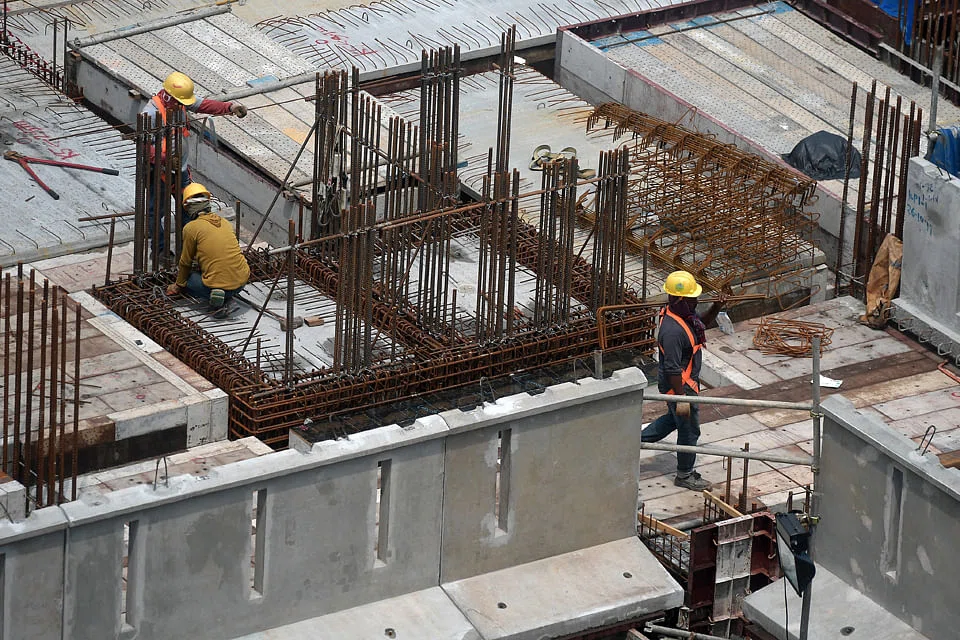
CONTRACTORS say the upcoming relief Bill will be a big help but they continue to worry about costs as projects slow down or come to a stop because building materials have run out.
The Ministry of Law intends to introduce the Covid-19 (Temporary Measures) Bill in Parliament next week. The Bill aims to offer temporary relief for six months to businesses and individuals who are unable to fulfil their contractual obligations.
Contracts covered by the Bill include construction projects, commercial and industrial tenancies and individual consumer transactions such as bookings for events, MinLaw said in a press release on Wednesday.
It will prohibit contracting parties from taking certain legal actions against parties that fail to perform their obligations, including starting or continuing court or insolvency proceedings.
If there are disputes, parties can apply to a body of assessors, at no cost, with resolution to come within five days.
In the case of construction and supply contracts, a contractor will be relieved from liability for non-performance if this was caused to a material extent by Covid-19, it said.
The Bill provides relief to everyone to manage their situation, rather than spend time worrying and writing legal letters, said Ganessaraj Soocelaraj, CEO, Soilbuild Construction Group.
"This Bill gives us relief in fulfilling the project delivery schedule," he pointed out.
SoilBuild which posted S$450 million turnover in 2019 currently has eight projects - two public and six private, he noted, adding that the company employs 800 people including 400 construction workers.
But, according to contractors, while the Bill gives certainty to the S$30 billion industry on contractual obligations, it does not address a major headache, namely costs or overheads.
When projects are delayed, contractors still have to pay workers, management, plant, machinery, equipment, and storage costs.
Cash needed to pay staff is enormous as the industry employs a lot of foreign workers who won't qualify for wage subsidies, the contractors said.
The Jobs Support Scheme provides employers a wage subsidy of 25 per cent for each local employee on the first S$4,600 of monthly wages, with higher support of 50 per cent for those in food services, and 75 per cent for those in aviation and tourism.
"This Bill addresses the time commitment; the other problem we need to grapple with is cost," said Kenneth Loo, The Singapore Contractors Association's immediate past president.
"Construction sector foreign worker levy is a big cost," added Mr Loo who is also executive director of Straits Construction.
The industry employs some 280,000 foreign workers and the work permit levy range from S$300 to S$950 per worker per month. The average levy paid is about S$700, said Mr Loo.
The industry is asking for relief from levy but so far the answer is "no", he noted.
There is for now a temporary levy waiver for up to 90 days for those foreign workers unable to return to Singapore because of Covid-19 travel bans.
For contractors, this Bill must be a welcome one as it goes a long way towards resolving the uncertainty of whether they will be able to obtain relief for the Covid-19 outbreak, said Derek Loh, TSMP Law Corp partner. "The reliefs granted are significant and includes time extensions and prohibitions against demands on performance bonds."
Nonetheless, it would appear that the Bill is not a magic wand that will forgive all failings with a simple wave, he added.
"Contractors will, when seeking relief, be required to demonstrate that their non-performance was materially caused by Covid-19. A simple invocation of Covid-19 in and by itself would not be enough," noted Mr Loh.
Still, "the Bill also puts in place a quick and conclusive process where any disputes as to the failure to perform or inability to perform can be determined independently and readily without any protracted court or legal proceedings".
For now, contractors who have materials and workers are continuing with their works, and pondering the best way to sustain the business.
"I have eight sites and the discussions are whether we should slow down 50 per cent of sites or slow all concurrently," shared Soilbuild's Mr Soocelaraj.
Straits Construction has "six projects ongoing, though not at the intended pace," said Mr Loo, adding that he knows of some contractors who are beginning to stop work because their stock of materials have been used up.
READ MORE:
TRENDING NOW

He built the Vingroup empire. Now South-east Asia’s richest man is handing some key roles to his sons
Quarter of Singtel special discounted shares sold ahead of CPF Board transfer

Why Tan Aik Keong of digital solutions specialist Agmo wants to make himself less indispensable

Asia needs new energy security architecture

