

Coronavirus has brought the welfare state back, and it might be here to stay
With Covid-19 posing a universal risk, most voters could demand social insurance payments that are significantly more generous than before the crisis hit.
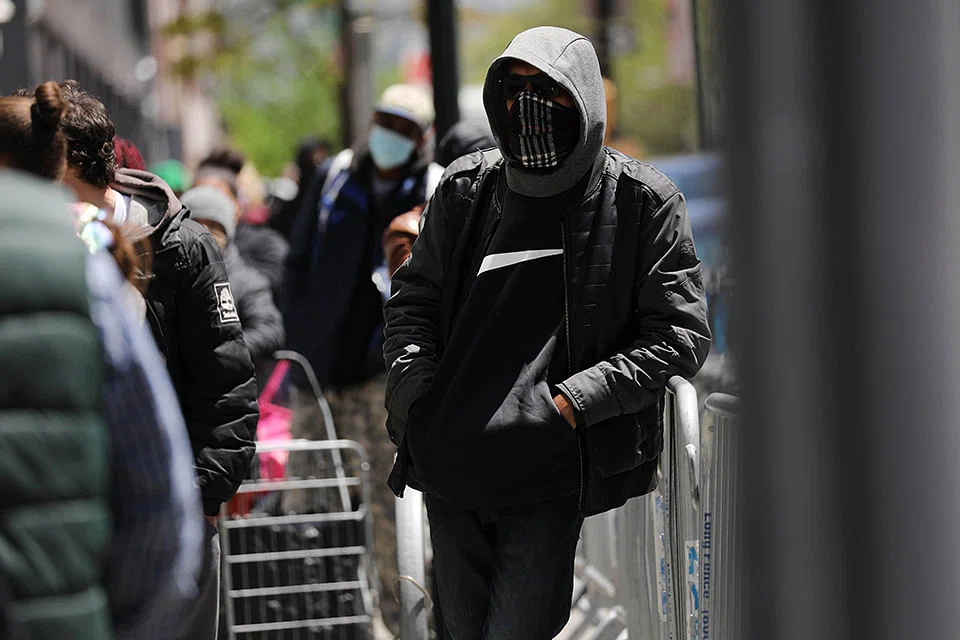
GOVERNMENTS across the developed world have responded to the Covid-19 crisis by making welfare states vastly more generous. Historical parallels suggest that this munificence may endure even as the pandemic recedes.
Welfare states will only, however, become permanently more generous if voters believe this pandemic poses an enduring risk to their incomes and if they make common cause with the people who have been worst affected.
The most pertinent historical parallel to the current situation is World War II. After the conflict, governments dramatically increased both the number of people covered by the welfare state and the value of the payments they received. At that time, people were demanding greater social insurance in the face of universal risks and pervasive uncertainty. The late 1970s marked the end of this golden era. Technological advances, demographic change and globalisation led to increased fiscal pressures and cuts to the generosity of modern welfare states.
Alongside these structural pressures, automation and trade were also destroying mid-skill manufacturing occupations. Labour markets became segregated into high- and low-skilled jobs. And while high-skilled workers didn't feel the need for an expanded welfare state, those working in low-skilled professions were too small a constituency to make a difference at the ballot box. In short, structural pressures were making the welfare state more expensive and governments faced little electoral incentive to be generous.
Later, the impact of the recession that followed the 2007-8 financial crash was concentrated among low-skilled workers. Governments did not increase the generosity of the welfare state in response. The total amount spent on social security payments did temporarily increase as unemployment rose, but the individual payment amounts did not.
What makes Covid different?
The impact of the current economic crisis is much wider. Both the pandemic and the corresponding public health measures - the forced closures of businesses and schools - have taken their toll on people's ability to work across the income distribution. The increases in unemployment claims are seen to literally go off the old charts.
Just as with World War II, the universal impact of this crisis and the subsequently greater risks it poses has led to a correspondingly large increase in the generosity of the welfare state.
The particular hazards this pandemic poses has also led to changes to specific social insurance payments. The risks to people's health have increased demand for sick pay among workers. Everyone who could potentially be infected is advised to stay away from work for between one and two weeks, and governments have been stepping up and cover that cost. Even the US, which had no nationally mandated sick leave prior to this crisis, finally introduced some sick pay in response to the pandemic.
A new consensus on welfare
This pandemic will only, however, lead to a permanently more generous welfare state if electorates believe it poses an enduring risk to the livelihoods of themselves or those they care about and subsequently vote for governments who will protect their incomes. If enough voters now feel that this pandemic or a future crisis could suddenly and dramatically hit their incomes, then they will demand significantly higher social insurance payments as protection. Political parties will then feel pressure to deliver on these demands in order to win elections.
But here we sound a note of caution. This pandemic will not necessarily lead to a more generous welfare state. While its impact has been universal, the economic and health risks have been, and will continue to be, most severe for the poor. It has been low-paid workers in sectors such as tourism, hospitality, retail and transport who have been the most likely to lose their jobs. High-skilled workers may still demand higher social insurance payments either because they are concerned for their own incomes or feel an affinity with the worst affected, but this is not guaranteed. If it is only the low-skilled few who demand a more generous welfare state, then governments will feel little pressure to deliver it.
Covid-19, by posing a universal risk and forcing us to engage in a common cause, has the potential to forge a new consensus on the welfare state. A majority of voters could now demand that political parties supply social insurance payments that are significantly more generous than before the crisis hit. When this pandemic passes, electorates may not be content to reduce sickness-related social security payments knowing that they could have needed it, or may do, in the future. They may not be satisfied that social security payments to a now-essential grocery store worker are too low to allow them to escape poverty.
Just as with World War II, "one happy consequence of this otherwise desperately unhappy experience", may be a more generous welfare state that insures us all against the risks posed by illness and poverty. THE CONVERSATION
Decoding Asia newsletter: your guide to navigating Asia in a new global order. Sign up here to get Decoding Asia newsletter. Delivered to your inbox. Free.
Share with us your feedback on BT's products and services
TRENDING NOW

He built the Vingroup empire. Now South-east Asia’s richest man is handing some key roles to his sons
China’s Pinglu Canal likely to benefit Singapore, other South-east Asia ports in the long term
Suntec Reit to increase Singapore focus, sell three Australia properties
Despite the de-dollarisation debate, demand for dollar liquidity in Asia is growing

