Coronavirus pandemic, dire economy and social unrest upend US presidential race
 Add BT as a preferred source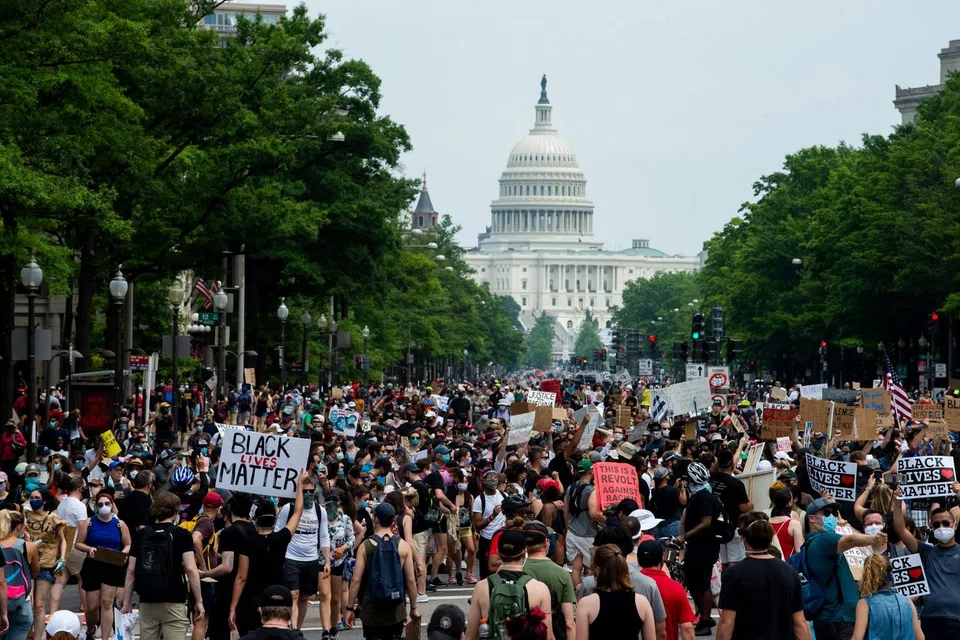
Washington
THREE concurrent crises scarring the United States - a deadly health pandemic, economic despair and widespread social unrest - have reframed this year's presidential contest, and prompted national reflection over racial inequality in America.
In weeks, the unprecedented strain has become the focal point of the ferocious White House campaign between US President Donald Trump and Democrat Joe Biden, two politicians approaching the disasters with very different strategies.
It has been several generations since the country has experienced such a sharp and rapid confluence of major emergencies, a national low point that philosopher Cornell West has branded "America's moment of reckoning".
Nearly 110,000 Americans have died of Covid-19, and tens of millions are jobless due to lockdowns prompted by the pandemic.
At the same time, unrest has gripped dozens of US cities where protesters demand justice over the killing by Minneapolis police of unarmed black man George Floyd.
Repeated episodes of police brutality caught on camera, even as most demonstrations have been peaceful, have further laid bare the nation's deep social wounds.
"It's a pretty bad moment," said Daniel Gillion, a political science professor at the University of Pennsylvania and author of The Loud Minority. The crises, he added, have been "horrific" for African Americans, who traditionally have poorer healthcare outcomes, have just a fraction of the household wealth of whites, and are more likely to face police brutality. Among Covid-19 victims, a disproportionate number are people of colour.
While Mr Trump last Friday touted a surprise drop in the overall jobless rate from 14.7 per cent in April to 13.3 per cent in May, black unemployment actually rose, to 16.8 per cent.
The injustice that erupted into ugly view when a white police officer pressed his knee onto Mr Floyd's neck for almost nine minutes is the latest manifestation of a systemic racism that has persisted for generations.
Mr Trump could have delivered an Oval Office address to the nation last week to smooth tension. Instead, he has exploited discord and launched a "law and order" crusade. Mr Trump has walled off the White House from protesters and launched fiery accusations that do little to calm the storm.
His provocative walk from the White House to a nearby church for a photo opportunity minutes after the area was forcibly cleared of protesters contained clear signals to conservative and evangelical voters in his base: security and faith remain paramount.
While Mr Trump has trafficked in division, his November election rival has blasted him as "dangerously unfit" to lead. Mr Biden, 77, was largely absent for the better part of two months, hunkered down in his Delaware home as the pandemic played out; and Mr Trump used his bully pulpit to push to re-open the country.
But the veteran Democrat is eyeing an opening by embracing a message of conciliation and reform - something that could unite the moderate and liberal factions of the Democratic Party and draw independents appalled by Mr Trump's strongman style. "It is long past time we made the promise of this nation real for all of our people," he tweeted last Friday. AFP
Decoding Asia newsletter: your guide to navigating Asia in a new global order. Sign up here to get Decoding Asia newsletter. Delivered to your inbox. Free.
Share with us your feedback on BT's products and services