

Coronavirus pushes Zimbabwe to re-introduce use of US dollar
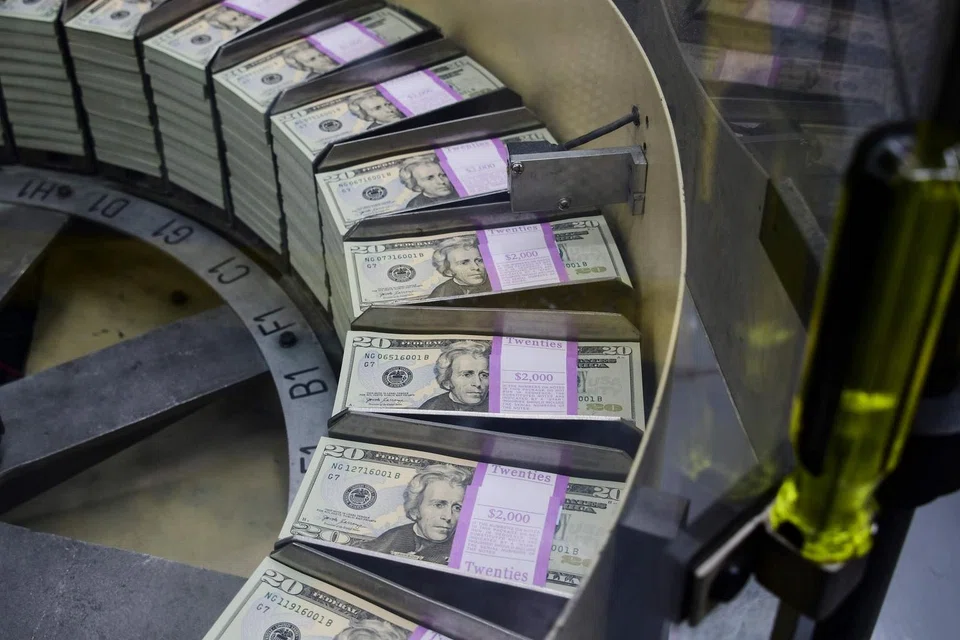
[HARARE] Zimbabwe has re-introduced the use of foreign currency for domestic transactions in what was seen as a bid to tap into private forex savings as the country gears up for the battle against the novel coronavirus.
In a statement the central bank governor John Mangudya said the move is part of "measures to mitigate the devastating impact of Covid-19 on the Zimbabwean society and the economy".
The government outlawed the use of foreign currency as legal tender last June after having used a basket of currencies when hyperinflation forced the government to ditch the Zimbabwe dollar in 2009.
The US dollar became the main currency for payment of goods and services, but a shortage of greenbacks forced the government to introduced a quasi currency called the bond note which was supposed to be equal to the US dollar in 2016.
In February 2019, Zimbabwe launched currency reforms including reintroducing the local currency and banned the use of the US dollar in a bid to solve a monetary crisis.
The use of the Zimbabwe dollar as the sole legal tender led to a spike of inflation which now stands at 540 per cent.
The government said it was "making it easier for the transacting public to conduct business during this difficult period by making available an option to use free funds to pay for goods and services chargeable in local currency".
But labour economist Godfrey Kanyenze says Thursday's move was inevitable and the government has used the coronavirus pandemic as an excuse to try to stabilise the economy.
"We held a tripartite negotiation forum meeting with the government some two weeks ago, and business and labour agreed the Zimbabwe dollar was doomed. The government tacitly agreed," he told AFP.
While the statement suggests the legalisation of the use of foreign currency was temporary, Mr Kanyenze said he believed the measure would stay in place long term.
AFP
Decoding Asia newsletter: your guide to navigating Asia in a new global order. Sign up here to get Decoding Asia newsletter. Delivered to your inbox. Free.
Share with us your feedback on BT's products and services
TRENDING NOW
One-third of Singapore-listed firms at risk in severe AI downturn: MAS
‘Not done’: Keppel CEO Loh Chin Hua transformed the group, but says there’s ‘still a lot to do’

He built the Vingroup empire. Now South-east Asia’s richest man is handing some key roles to his sons

‘We don’t want to stay as we are’: CEO Patrick Ng builds a more resilient Huationg

