

CPF returns attractive vs risks, says think-tank
 Add BT as a preferred source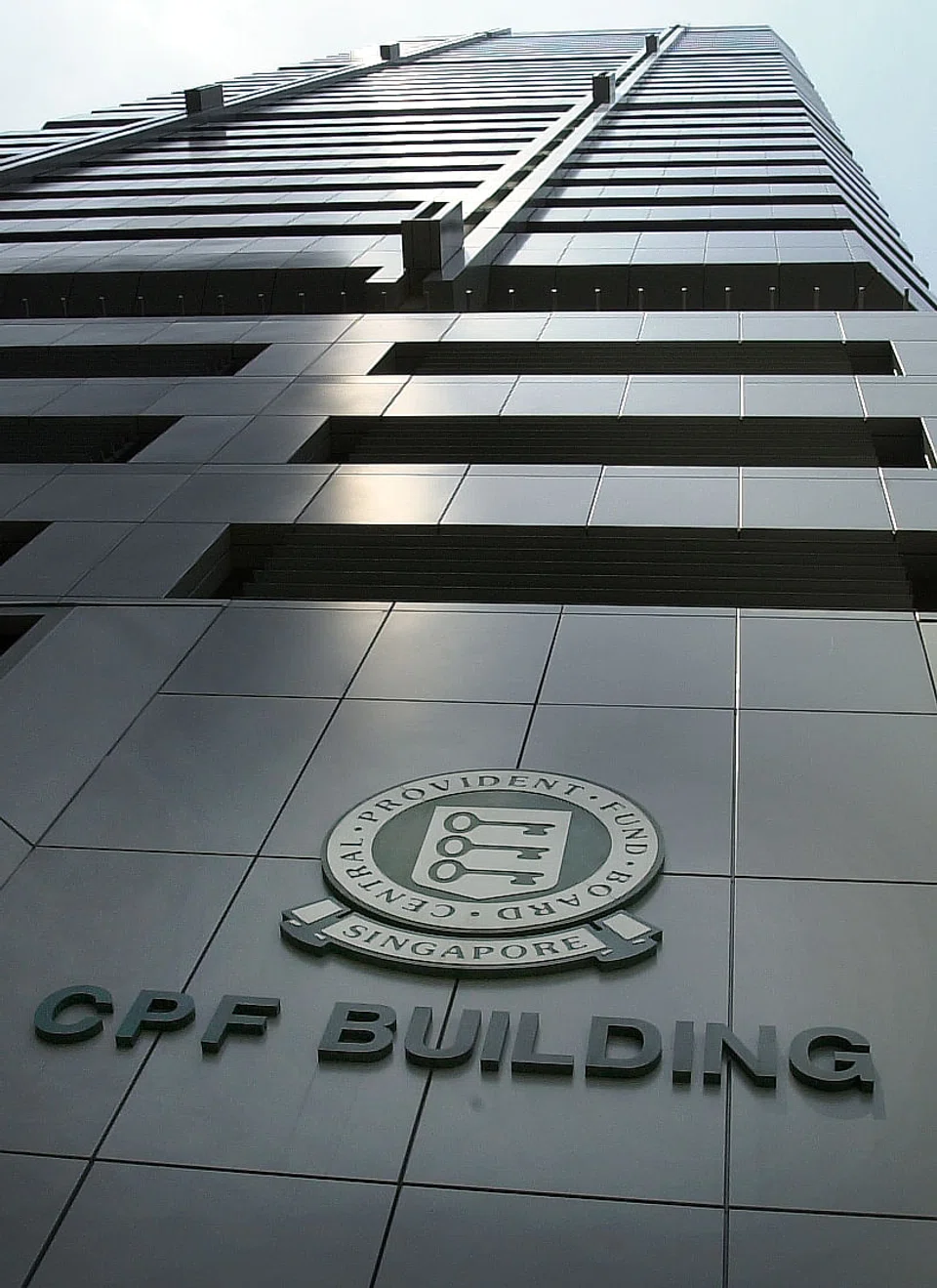
DeeperDive is a beta AI feature. Refer to full articles for the facts.
A PAPER on the Central Provident Fund (CPF) has been published by the Institute of Policy Studies (IPS), a policy think-tank, showing how the CPF gives attractive returns relative to its risks.
The CPF is expected to yield for its members 5.7 per cent a year over 20 years, with a standard deviation - a measure of risk - of just 1.4 per cent. This is because of various guarantees inherent in the CPF system.
By contrast, a balanced portfolio of 60 per cent equities and 40 per cent bonds gives slightly higher returns of 5.9 per cent a year but a standard deviation of 12.3 per cent.
The standard deviation describes the extent to which fluctuations around an expected average will take place.
Higher expected returns are possible with an all-equities portfolio, which gives an expected return of 6.8 per cent a year for 20 years. But in any one year, this return is likely to fluctuate wildly. The annual standard deviation for this portfolio is 20 per cent.
Portfolios of Singapore government bonds or global bonds, meanwhile, perform poorly when compared to the CPF.
Navigate Asia in
a new global order
Get the insights delivered to your inbox.
The paper can be found here.
Copyright SPH Media. All rights reserved.
TRENDING NOW

Air India asks Tata, Singapore Airlines for funds after US$2.4 billion loss

‘Boring’ is the new black: The stars are aligning for a Singapore stock market revival

From 1MDB to ‘corporate mafia’: Is Malaysia facing a new governance test?

South-east Asian markets account for 8.8% of global capital inflows from 2021 to 2024: report

