Czech castle’s cache of precious wine goes on display in new-old bottles
The exhibition is at a building that was once the home of the Beaufort-Spontin family
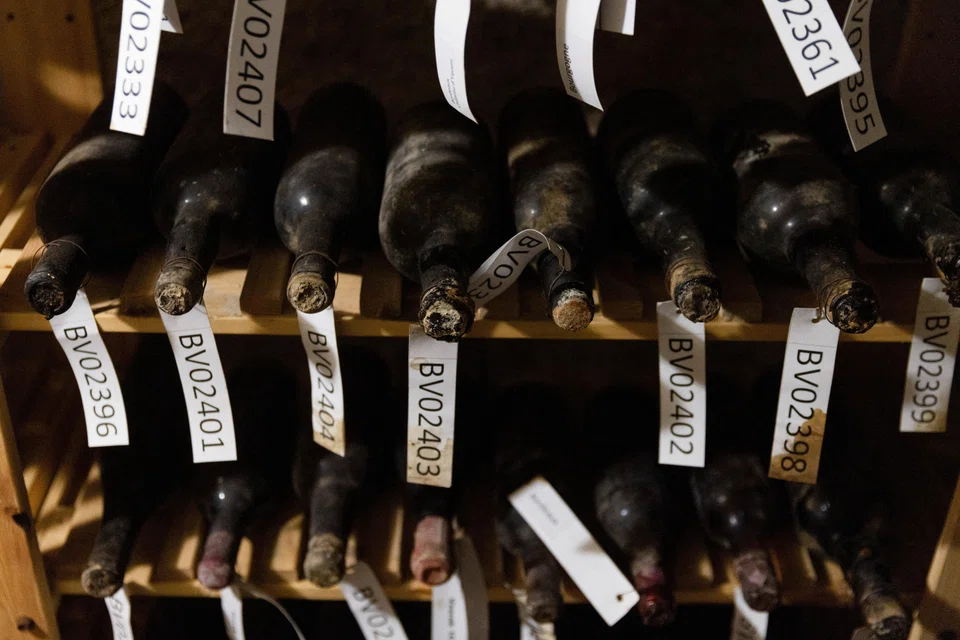
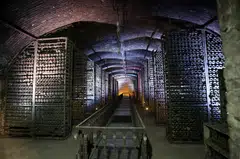
[CZECH REPUBLIC] A collection of late 19th-century wine, that for years was hidden away under a chapel floor in the Czech Republic’s Becov castle, has been painstakingly restored by prestigious French winery Chateau d’Yquem and is on public display.
The 133 bottles, most dating from 1892 to 1899, were discovered in 1985. They had been hidden at the end of World War II by the then-owners of Becov castle, close to the border with Germany.
Toni Khawand, Chateau d’Yquem’s cellar master, said the cache had provided perfect conditions for keeping the wine.
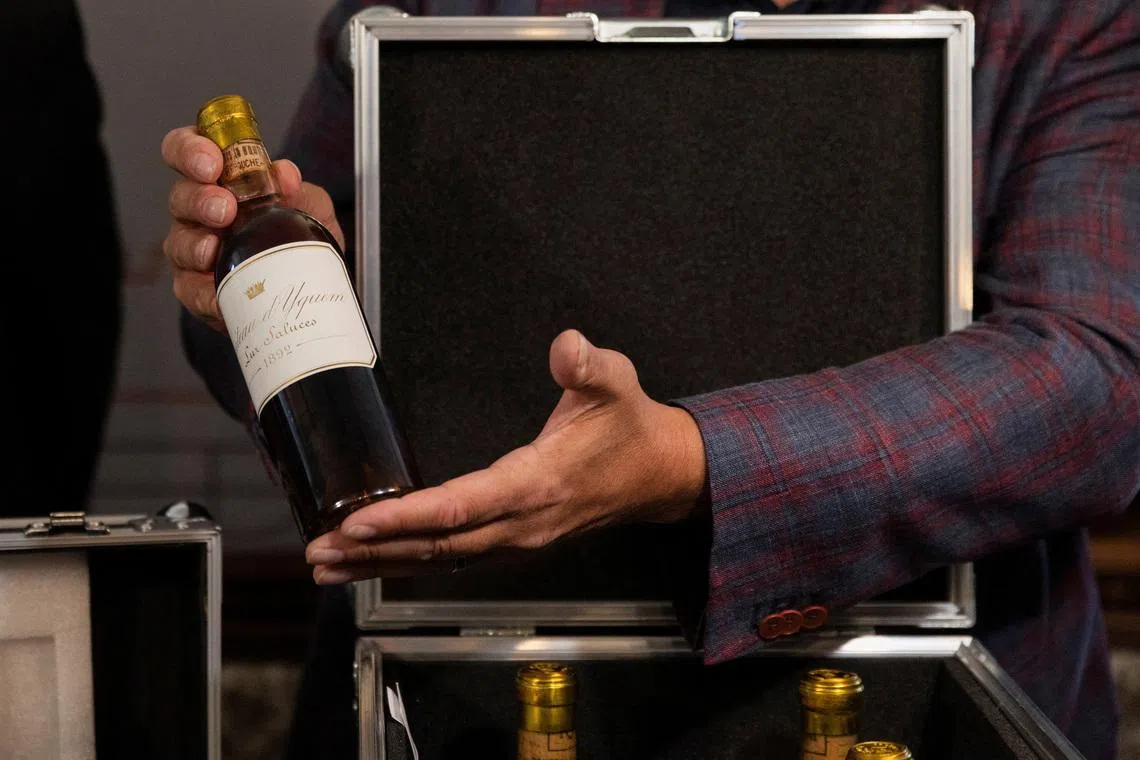
Its quality was proven when it was tested in 2016 using the Coravin device that extracts a sample through a needle, piercing the cork without damaging it.
“It benefited from very good conditions of conservation, in this old chapel. (It is) I think, very humid and very cold with thick walls – and also underground, so it preserved the moisture and temperature in a very constant way. Those were excellent conditions to store a wine,” he said.
Chateau d’Yquem has recorked several bottles, but Khawand said the restoration had been scrupulously authentic down to preserving the dust on the bottles.
The wine will be on display at Becov castle, once the home of the Beaufort-Spontin family. The family had been labelled Nazi sympathisers and the castle was taken over by then-Czechoslovakia.
The Beaufort-Spontins hid their wine alongside a reliquary of St Maurus, which is said to hold the bones of St John the Baptist, and fled to Austria.
In 1984, the family approached an American businessman, Danny Douglas, to assist in recovering the hidden treasure. He applied secretly on their behalf to retrieve an unknown object from an unknown location.
After a back-and-forth with authorities over permitting, police eventually realised the location Douglas was looking in and the nature of the treasure he was seeking, leading to the collection’s discovery. REUTERS
Decoding Asia newsletter: your guide to navigating Asia in a new global order. Sign up here to get Decoding Asia newsletter. Delivered to your inbox. Free.
Share with us your feedback on BT's products and services