Debt relief for poor nations not an easy sell
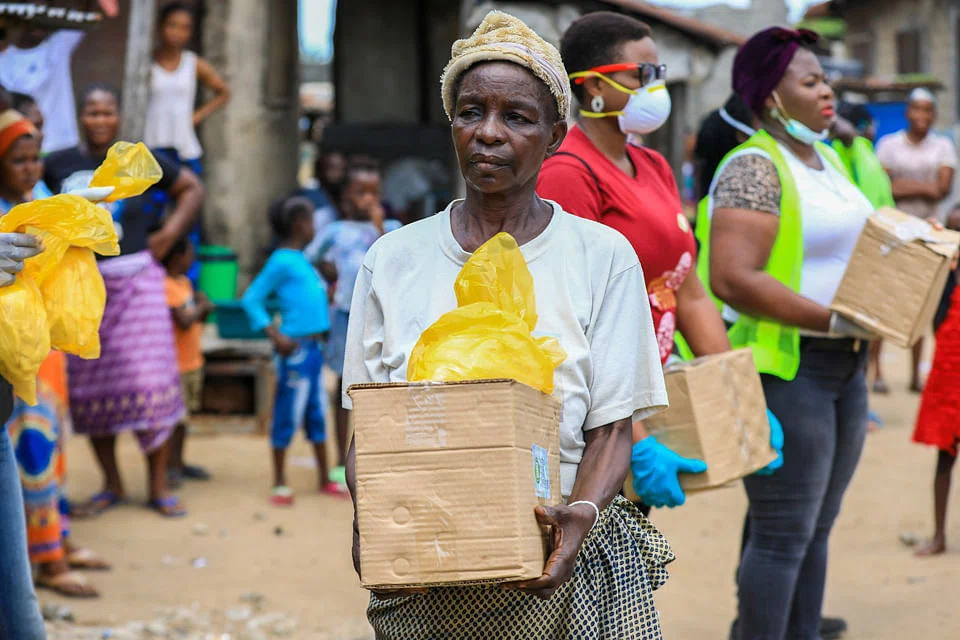
Abuja, Nigeria
A PAUSE in debt payments for the world's poorest countries to help them battle the coronavirus will be a hard sell for private creditors.
The Group of 20 leading economies last week heeded calls from African finance ministers to grant a debt waiver of about US$20 billion until the end of the year, and asked private creditors to step up.
Groups representing commercial creditors, who snapped up bonds from low-income countries in recent years amid record-low yields in developed markets, said they would be willing to participate. But a deferral of sovereign bond payments will be far from easy.
Debtor countries would have to convince a majority of investors, from hedge and pension funds to sovereign wealth funds, to use collective-action clauses to change the date of payments on each bond series.
"To get this majority saying yes, you have to offer a sweetener or have very friendly bondholders," said Lutz Roehmeyer, the chief investment officer of Capitulum, which manages one billion euros in assets. It's "very unlikely that this will succeed".
The Institute of International Finance estimates that the world's poorest nations - most of which are in Africa - have some US$140 billion in general government debt-service obligations due through the end of the year, including US$10 billion in foreign currency. That calculation includes all kinds of debt: to private and public creditors, domestic and foreign, short term and long term.
Even before the pandemic halved public revenues and forced governments to close borders in Africa, many countries on the continent were already struggling with high debt levels after issuing close to US$60 billion in eurobonds in the past two years.
Depending on the contract, even a deal with the majority of bond holders runs the risk of being challenged in courts by minority creditors, as happened in the case of Argentina, said Mark Mobius, founding partner of Mobius Capital Partners. In 2016, Argentina ended 15 years of litigation by paying US$9.3 billion to "holdout" creditors.
"Vulture funds can see an opportunity to buy at a very good discount now," Mr Mobius said.
A revision of payment terms, even in agreement with investors, will be considered a debt default, leading to negative credit and rating implications for both creditors and issuers, according to Moody's Investors Service.
Still, giving countries some financial room to recover from the pandemic and resume payments in the future is a much better deal for investors than outright default, said Hans Humes, the chief executive of distressed-debt investor Greylock Capital Management.
"Why sue for a 100 per cent and take 10 years to collect and put yourself out there as being the jerk internationally in the middle of a health crisis," said Mr Humes, who has participated in dozens of sovereign debt restructurings. He said countries could offer bond holders options on future commodity revenues to accelerate standstill agreements.
The last time private creditors were asked to join a debt-relief initiative in the late 1990s, it resulted in protracted negotiations with drawn-out litigation by disgruntled investors. An IMF-backed Sovereign Debt Restructuring Mechanism had little traction with creditors and failed to take off in the early 2000s.
"There seems to be willingness from the private sector, but there needs to be express legislative changes as well as a new conflict resolution body for this to work out," said Jaime Atienza, who leads Oxfam's international debt policy.
He said law amendments in the UK and New York, where most of the bond deals are inked, should prevent lenders from suing a country during the pandemic.
Immediate funding to help poor countries should take precedence over lengthy negotiations for a debt waiver that should be tied to more debt transparency and anti-poverty reforms, said Andrew Roche, managing director at Paris-based financial consultancy Finexem.
"This idea of debt relief opens up a Pandora's box because there is no framework in order to have an organised debt restructuring with all creditor groups," said Mr Roche, who has advised countries in several debt restructuring operations. "We should look at this in a second phase when we are not in the middle of a crisis." BLOOMBERG
Decoding Asia newsletter: your guide to navigating Asia in a new global order. Sign up here to get Decoding Asia newsletter. Delivered to your inbox. Free.
Share with us your feedback on BT's products and services