

Disaster resilience investment has touched US$100 billion in Asia
Many private equity, venture capital and family offices expect returns of more than 30% on investments, the report finds
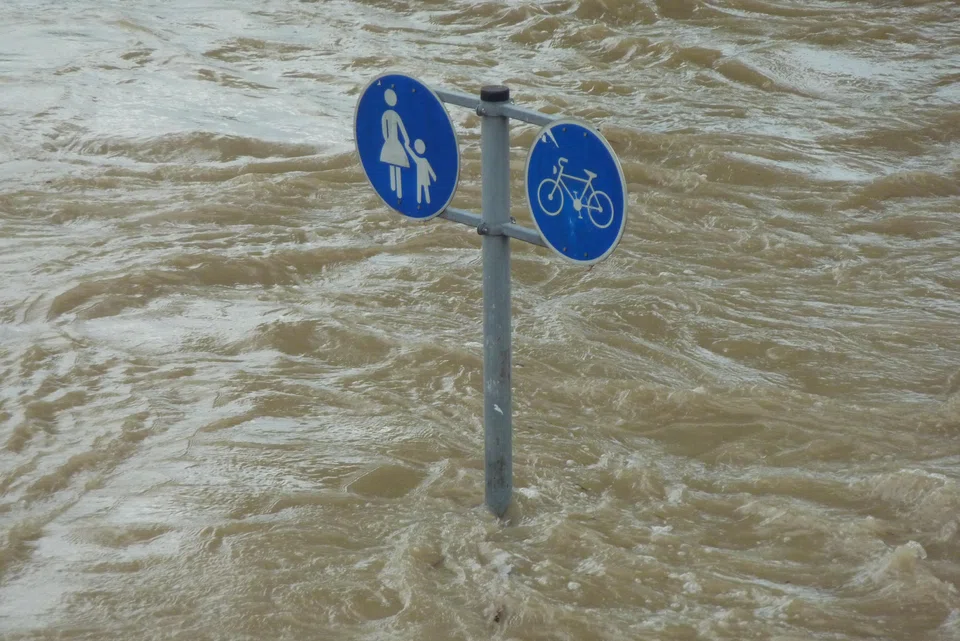
[SINGAPORE] Governments, investors and banks have poured about US$100 billion into efforts to handle the effects of climate change in Asia in the past five years, with water and infrastructure projects attracting the majority of the capital.
More than 90 per cent of the investment between 2021 and 2025 was made by state-related organisations or development finance institutions, according to a study of 165 funding groups published on Monday (May 18).
Road elevation and drainage, water basin management, and training for farmers were among the activities that attracted the most funding, said the report by the Centre for Impact Investing and Practice, Singapore’s state fund Temasek Holdings, Invesco, and ImpactSF. The study mainly analysed investments in China, India and South-east Asia.
Climate adaptation is slowly being seen as a potential target area for private investors rather than simply a government responsibility, particularly with expectations that projects and services aimed at bolstering resilience will post strong growth in the coming decades. Revenue generated from adaptation solutions could hit US$4 trillion by 2050, Singapore’s sovereign wealth fund GIC estimated last year.
Total global spending on extreme weather, insurance premiums and resilient infrastructure has hit US$13.5 trillion over the past 12 years, according to Bloomberg Intelligence’s Climate Damages Tracker.
Private capital investments in Asia have been focused on infrastructure, energy and industrial retrofitting, segments for which revenue streams are clear and risk is lower. Many private equity, venture capital and family offices expect returns of more than 30 per cent on investments, the report found.
Climate-smart crop inputs and distributed energy mini-grids are seen as among the sub-sectors with the highest commercial viability and impact potential.
A lack of projects ready for investment, or a lack of clarity on the potential benefits and impacts, are among the main deterrents to investments, according to the report. BLOOMBERG
Decoding Asia newsletter: your guide to navigating Asia in a new global order. Sign up here to get Decoding Asia newsletter. Delivered to your inbox. Free.
Share with us your feedback on BT's products and services
TRENDING NOW
Prima to move out of historic Keppel Road flour mill building in 2028

Grab CEO’s wife Chloe Tong on life with Anthony Tan and finding her purpose

OCBC sheds S$8 billion in value as shares close nearly 6% down; analysts cautious on banks

As Asia’s food delivery giants rejig the pie, who will win the market?

