
Doctors’ threat adds to turmoil awaiting Johnson on UK return
 Add BT as a preferred source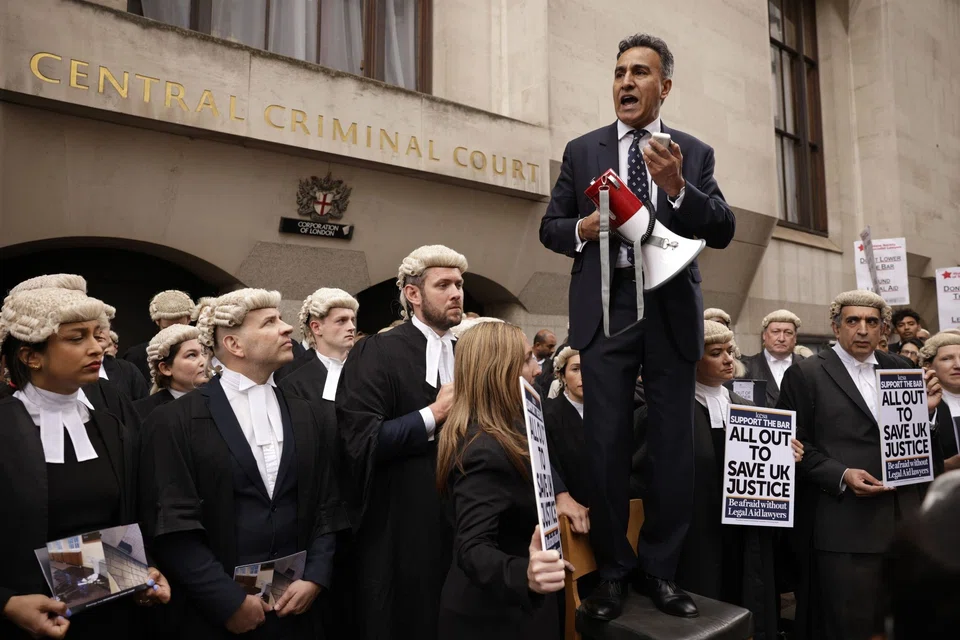
BORIS Johnson has spent much of the past week focused on overseas crises. At home, signs of disarray are building in his absence.
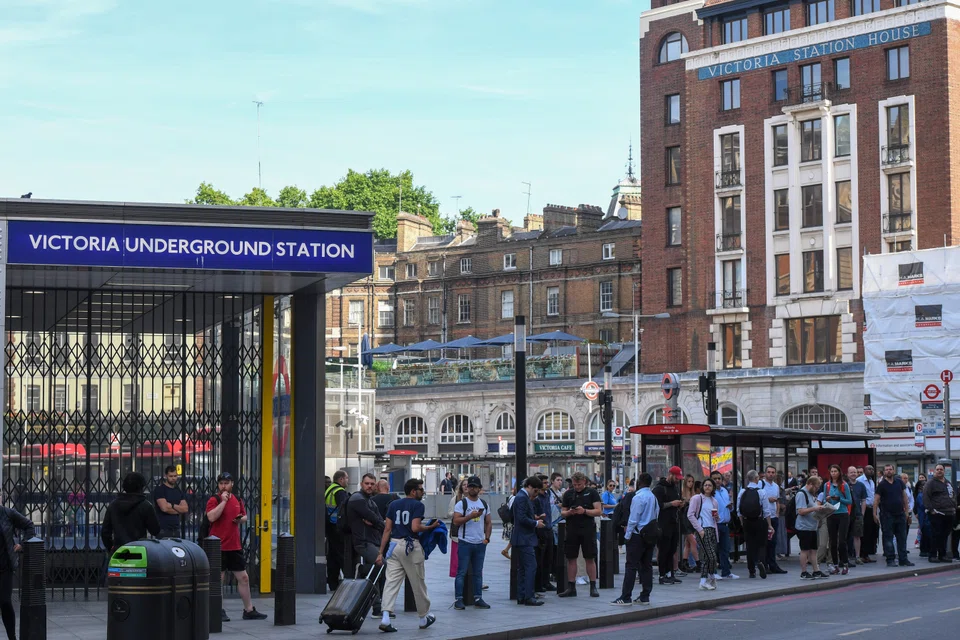
With inflation soaring, Britain’s doctors are the latest to threaten strike action over pay. Labour disruption is also looming from teachers to postal workers, after the largest rail strike in three decades brought much of the country to a standstill last week. Even trial lawyers are walking out.
For the prime minister, who is due to return late Thursday from a trip to Commonwealth, Group of Seven and Nato summits, a summer of discontent fuelled by faltering public services and a dramatic squeeze on living standards poses considerable peril.
Johnson survived a Conservative Party confidence vote that almost ended his premiership - more than 40 per cent of Tory MPs turned against him. The repercussions of that are still playing out, and influencing how he responds to the cost-of-living crisis.
The government is strongly resisting calls from the public sector for pay increases to match inflation, which is already at 9 per cent and predicted by the central bank to exceed 11 per cent in October. It argues that raising salaries in line with those numbers would fuel further price increases.
“If we have a series of across-the-board pay increases for everybody, then what is going to happen is that is just going to see even more inflation,” minister Chris Philp told Sky News. There are no “easy fixes,” he said.
Navigate Asia in
a new global order
Get the insights delivered to your inbox.
It’s the type of approach that plays well with the right-wing caucus in the Conservative Party, which still admires the labour union-busting exploits of former leader Margaret Thatcher. Those are also the MPs where Johnson has focused on bolstering his support since the confidence vote.
But it’s a risky strategy. Even Johnson has acknowledged the economic crisis is costing Tories vote, blaming it for the loss of two Parliament seats in separate elections last week that have further undermined his leadership.
The problem for the government is that polls show voters are in many cases sympathetic to public sector calls for more pay. Memories of the pandemic lockdowns still run strong, during which key workers were lauded for their efforts in keeping the country running in difficult conditions.
An Opinium survey on Tuesday for ITV found 45 per cent of respondents supported workers striking over pay and conditions, compared with 37 per cent who opposed industrial action. A June 22 Savanta ComRes poll found 58 per cent supported the three days of rail strikes that took place last week.
More sectors are joining in. Delegates at the British Medical Association’s annual meeting voted on Monday to push for a pay rise of at least 30 per cent over the next five years, arguing that would only make up for their cut in salaries since 2008 when measured against inflation.
Criminal trial lawyers walked out on Monday in a long-running spat over government funding and fees that have collapsed in recent years. Post Office staff will strike one day next month over wages, after the Communications Workers Union called an offer of a 3 per cent raise and one-off payment of US$613 for employees “woefully inadequate.”
The general secretary of the Fire Brigades Union said firefighters may strike over a 2 per cent pay offer.
With Britons facing the worst squeeze on living standards since the 1950s, Chancellor of the Exchequer Rishi Sunak last month announced £15 billion (S$24.5 billion) of further support to help households cope with energy costs that increased by 54% in April. Prices are set to surge further in October when the regulator carries out its twice-yearly adjustment of a cap on gas and power bills.
Pay for many public sector workers, including teachers, police and National Health Service staff, is set by the government. Ministers take heed of advice of independent pay review bodies, which give their recommendations in the coming weeks, though they are not obliged to follow it.
They must, however, give a reason if they don’t. BLOOMBERG
Decoding Asia newsletter: your guide to navigating Asia in a new global order. Sign up here to get Decoding Asia newsletter. Delivered to your inbox. Free.
Share with us your feedback on BT's products and services

