

Dragon Boat Festival data show China tourists underspending 2019 levels

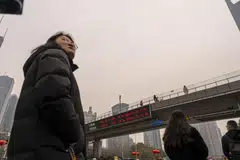
CHINA’S recent Dragon Boat Festival holiday showed that the nation’s increasing number of domestic tourists still are not spending at pre-Covid levels, underscoring the challenge President Xi Jinping’s government confronts in boosting economic momentum.
Domestic tourist spending rose to 40.4 billion yuan (S$7.7 billion) during the three-day holiday that ended on Monday (Jun 10), up 8.1 per cent from the same festival a year ago, according to a statement on Monday from the tourism ministry. Overall, domestic traffic rose 6.3 per cent from last year to 110 million trips, the ministry reported.
Despite those increases, the average spending per traveller was 12.3 per cent below 2019 levels, according to an analysis by Citigroup analysts Brian Gong and Alicia Yap.
The increasing number of trips but muted spending reflects “more cautious spending and demand diverted to lower-tier cities or value/discount packages”, according to the Citi report, which characterised travel demand as “a bit weak”.
The per capita spending, according to Citi, extends a moderating trend from April’s Qingming Festival. The weakening momentum highlights the fragility of the consumption rebound in China, where economic challenges from a lingering property crisis to a sluggish job market are combining with changing travel preferences of Chinese residents.
Shares fall
“Low costs, domestic travel and self-driving were the main highlights of spending during the holiday, underscoring the preference for saving costs,” said Xing Zhaopeng, an analyst at Australia & New Zealand Banking Group. Data from online booking platforms Trip.com and Tongcheng Travel also suggest nearby travel was still the key choice for the short holiday.
Tourism stocks in China fell on Tuesday after the disappointing data. Emei Shan Tourism and BTG Hotels Group both slid by as much as 3.4 per cent. In Hong Kong, Tongcheng Travel Holdings fell by as much as 2.6 per cent, the most in nearly two weeks.
In a sign of how Beijing has been limiting some information on economic issues, the latest tourism report did not compare the fresh data with 2019 figures, unlike for previous holidays.
Travel spending could still turn around with the traditional summer break, according to the Citi report. That could serve as a better litmus test of consumer sentiment.

Beijing is taking some steps to stoke more consumer spending, including a trade-in programme for new appliances. The government also unveiled its most forceful attempt yet to rescue the spiralling property market. Economists remain largely confident that the country will achieve its 5 per cent economic growth target this year. BLOOMBERG
Decoding Asia newsletter: your guide to navigating Asia in a new global order. Sign up here to get Decoding Asia newsletter. Delivered to your inbox. Free.
Share with us your feedback on BT's products and services
TRENDING NOW
US dollar falters after Iran’s offer to reopen Hormuz sends oil lower

He built the Vingroup empire. Now South-east Asia’s richest man is handing some key roles to his sons
Floods compound Philippine growth woes from public-works scandal

Tokyo reverses baby bust with AI matchmaking and generous subsidies

