

ECB asks FX partners to sign global FX code
 Add BT as a preferred source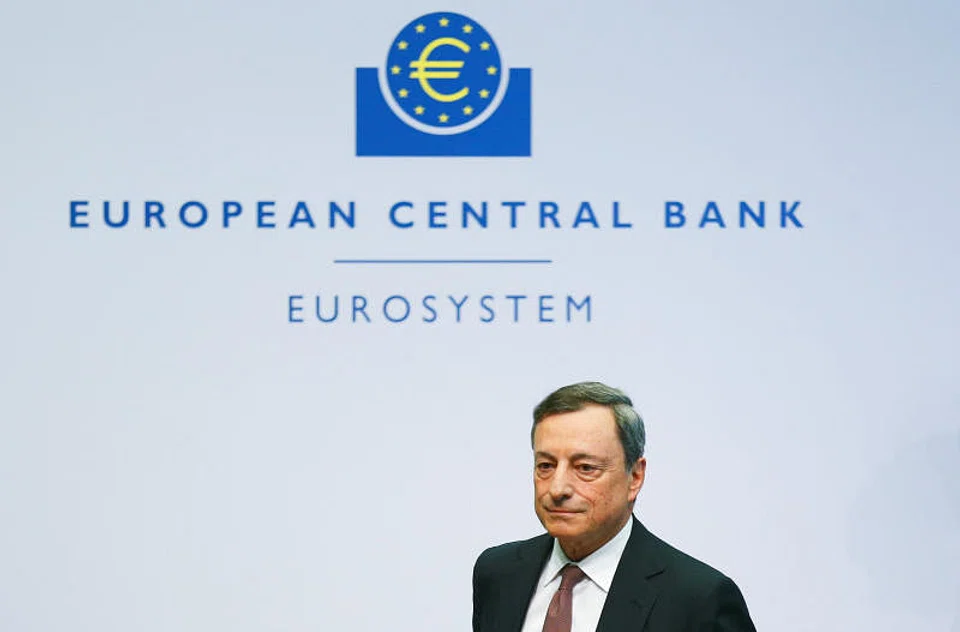
DeeperDive is a beta AI feature. Refer to full articles for the facts.
[LONDON] The European Central Bank joined other major central banks on Wednesday in putting formal pressure on currency-trading banks it works with to sign the new global FX code of conduct.
It followed two years of work by officials worldwide.
Legal concerns meant the ECB only "invited" but did not require all of its currency market counterparties to sign up, in contrast to the mandatory rules implemented by some other central banks.
But the bank's decision to make a statement of commitment to the code compulsory for all members of its industry contact group (FXCG), allied to similar moves in other jurisdictions, meant in effect it was unlikely that any major counterparties would remain outside the code.
"FXCG members will be required to demonstrate their institutions' commitment to the FX Global Code, in line with the FXCG's updated Terms of Reference," the ECB said in a statement.
Representatives of a working group of major central banks launched the code in May after two years of work aimed at drawing a line under four years of scandals over price-rigging that have hampered the world's biggest financial market.
Navigate Asia in
a new global order
Get the insights delivered to your inbox.
Officials from the Federal Reserve and the Reserve Bank of Australia said immediately that they would require all institutions who trade currencies with them to be signed up, others said they would need more time to make formal statements.
Such efforts are aimed at showing that adherence to the code would be effectively universal despite its voluntary nature.
REUTERS
Share with us your feedback on BT's products and services
TRENDING NOW

Vietnam formalises new state leadership, redefining ‘four pillars’ power balance

‘Largest Singapore commercial S-Reit proxy’: analysts say buy CICT shares after Paragon acquisition

From 1MDB to ‘corporate mafia’: Is Malaysia facing a new governance test?

Why where you park your joint venture matters: Lessons from a US$689 million shareholder dispute

