ECB pumping billions into weaker eurozone debt markets, says FT
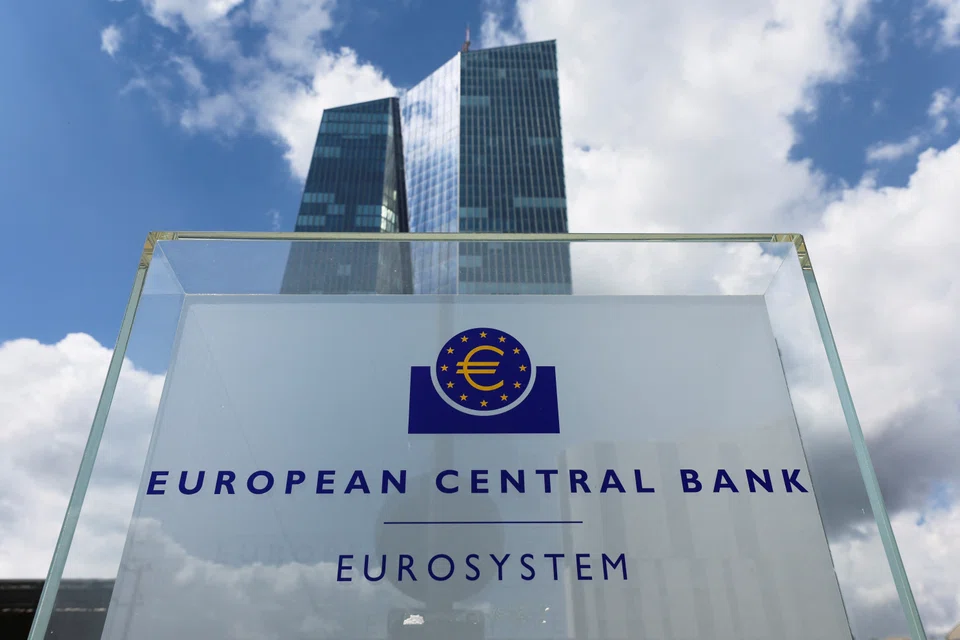
THE European Central Bank (ECB) injected 17 billion euros (S$23.8 billion) into the Italian, Spanish and Greek debt markets between June and July, while allowing its portfolio of German, Dutch and French debt to fall by slightly more, going by calculations by Financial Times based on ECB data.
The ECB concluded net purchases under its pandemic-era bond-buying programme in March, and is now focusing reinvestments of maturing bonds on the bloc’s weaker members.
The move highlights how the ECB is seeking to cap borrowing costs for countries such as Italy, and to prevent yields surging as it pulls back from the accommodative stance that supported the region for years, the FT reported.
Weeks after raising interest rates for the first time in over a decade, ECB policy makers are worried that tighter monetary policy will widen the gulf between the region’s strongest and weakest economies, the newspaper reported.
Bloomberg Economics said last week: “The base case is that the country (Italy) will be able to keep a cap on borrowing costs through a combination of declining market expectations for monetary tightening on recession worries, and bond purchases by the ECB. However, if the 10-year Italian yield were to settle around 4 per cent, just 100 bps higher than it is now, debt servicing costs would be put on a trajectory to surpass that multi-decade high. The move would likely increase fears of insolvency.” BLOOMBERG
Decoding Asia newsletter: your guide to navigating Asia in a new global order. Sign up here to get Decoding Asia newsletter. Delivered to your inbox. Free.
Share with us your feedback on BT's products and services