

ECB rate hike looks nearly certain after inflation rises to 3-year high
Steeper energy prices not generating second-round effects yet, but risk seeping into other costs
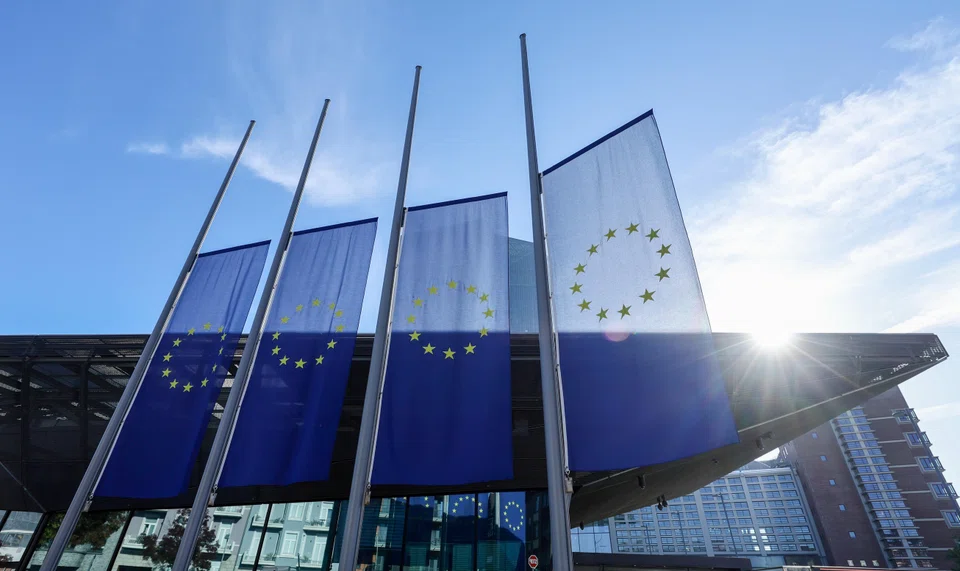
[FRANKFURT] Eurozone inflation rose to a three-year high in October on surging food and energy costs, and is set to rise further in the coming months. This firms up the case for another European Central Bank (ECB) rate hike in December.
Inflation in the 21 nations sharing the euro currency rose to 4 per cent in October from 3.8 per cent a month earlier – in line with expectations in a Reuters poll of economists – as energy inflation hit 20 per cent, data from Eurostat, the European Union’s statistics agency, showed on Wednesday (Nov 4).
Meanwhile, a more closely watched “core” figure, which strips out volatile food and energy prices, held steady at 2.5 per cent, in line with expectations and indicating that long-feared second-round effects have not yet materialised.
“Despite the lack of signs of second-round effects, today’s inflation print adds to the already strong case for an ECB rate hike in December, as the central bank is concerned that the longer the energy shock goes on, the higher the risks of broader inflationary pressures becoming more entrenched,” Nicola Nobile at Oxford Economics said.
Inflation has been climbing quickly above the ECB’s 2 per cent target this year as the US war with Iran has pushed energy costs higher, feeding through to retail prices for a bloc that imports the vast majority of its energy.
The ECB left rates unchanged last week, but a long list of policymakers, including the influential heads of the German and Italian central banks, have already signalled that another move in December is now likely.

Financial markets are pricing between two and three rate hikes to the ECB’s 2.5 per cent deposit rate over the coming year, with expectations frequently shifting, in tandem with oil prices.
Sweden’s central bank joined peers in tightening policy on Wednesday and signalled more hikes ahead over fears that energy inflation could seep into the broader economy.
The Bank of England, meeting on Thursday, is expected to follow suit, lifting its own key rate to 4 per cent as it also expects inflation to exceed 4 per cent early next year.


Food price concern
In a potentially worrisome development for the ECB, food inflation continued to accelerate with non-processed food prices rising 4.6 per cent year on year.
This item makes up only a small part of the consumer price basket but contains some of the most frequently bought items by households. Rapid price changes could have an oversized impact on inflation expectations, economists say.
Services inflation, the single largest item in the consumer price basket, picked up to 3.3 per cent from 3.2 per cent. Industrial goods prices rose 1.2 per cent from 1.1 per cent a month earlier.
While Wednesday’s figures indicate energy inflation is still not generating second-round effects, expensive diesel and natural gas still risk seeping into the price of other goods and services, causing indirect effects that are bound to linger.
Low natural gas storage levels, meanwhile, create plenty of upside risk for heating costs, economists say.
This may not be so visible in data now but will likely show up in the coming months, especially in January, when some goods are traditionally repriced.
The ECB now expects inflation to hold above 4 per cent for much of the first half of 2027 before falling quickly towards the “low twos”, when high year-earlier figures get knocked from data. REUTERS
Decoding Asia newsletter: your guide to navigating Asia in a new global order. Sign up here to get Decoding Asia newsletter. Delivered to your inbox. Free.
Share with us your feedback on BT's products and services
TRENDING NOW

How Vietjet’s US$250 million global asset freeze complicates its 600-aircraft financing plans

Work Permit holders increase by 10,900, but S Pass, EP holders decline by 900 each in Q2: Jasmin Lau

US midterms: What investors can expect after Democrats shatter Republican strongholds

The AI frenzy gets a reality check

