
ECB shouldn’t exclude second rate cut in July, Villeroy says
 Add BT as a preferred source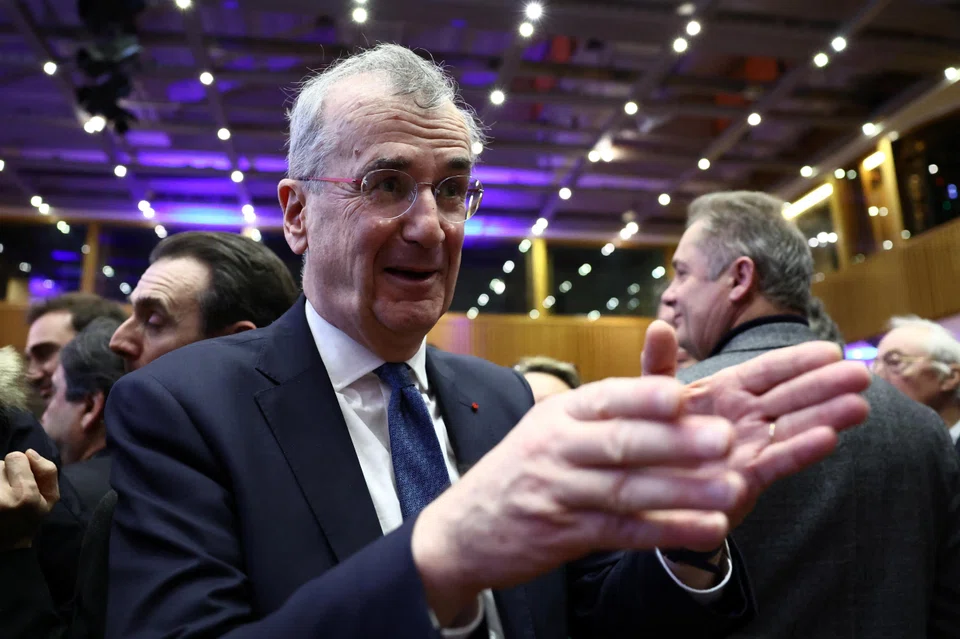
THE European Central Bank shouldn’t rule out lowering borrowing costs at both its June and July meetings, Governing Council member Francois Villeroy de Galhau said – pushing back against fellow monetary officials who are uncomfortable at the idea of consecutive cuts.
Villeroy told Germany’s Boersen-Zeitung newspaper that he favours “maximum optionality” after next month’s “done deal” reduction in the deposit rate, which he said can only be derailed by a shock.
“I sometimes read that we should cut rates only once a quarter when new economic projections are available, and hence exclude July,” he said in the interview. “Why so, if we are meeting-by-meeting and data-driven? I don’t say that we should commit already on July, but let us keep our freedom on the timing and pace.”
While most policymakers are agreed on June, they’re generally reluctant to commit to a path beyond that as wage gains’ and services inflation prove sticky, Middle East tensions threaten to boost energy prices and US rate cuts are delayed.
Even so, some have waded into the debate: Hawkish Bundesbank President Joachim Nagel told Bloomberg this weekend that a second ECB move may have to wait until September.
Such caution is also evident in markets. They’ve pared bets on monetary easing this month and now only fully price two quarter-point reductions in 2024 – down from three before. They see no change in July.
Navigate Asia in
a new global order
Get the insights delivered to your inbox.
Villeroy said the ECB has “significant room” to loosen toward a neutral setting that’s thought to be between 2 per cent and 2.5 per cent. He called market expectations for where borrowing costs eventually settle – a terminal rate of about 2.8 per cent in five years’ time is currently envisaged – “not unreasonable.”
Speaking Monday in Dublin, chief economist Philip Lane said the ECB isn’t committed to “any particular speed” of rate reductions. He reiterated that officials “will continue to follow a data-dependent and meeting-by-meeting approach to determining the appropriate level and duration of restriction.”
Turning to how US policy impacts ECB decisions, Villeroy said he and his colleagues wouldn’t be steered much by the Federal Reserve, which is set to begin lowering rates later this year.

While that could strengthen the dollar against the euro, the Bank of France chief said the pass-through to inflation would be less than 10 per cent, and tighter financial conditions from the US could, in fact, be disinflationary for Europe.
He deems the US budget deficit more of a concern as it could shift long-term interest rates significantly, both tightening conditions and fueling inflation.
“US fiscal policy is the elephant in the room,” he said. BLOOMBERG
Decoding Asia newsletter: your guide to navigating Asia in a new global order. Sign up here to get Decoding Asia newsletter. Delivered to your inbox. Free.
Share with us your feedback on BT's products and services

