ECB’s Kocher says inflation to stay for a while after Iran deal
Oil prices, inflation expectations and financial conditions will continue to be closely monitored
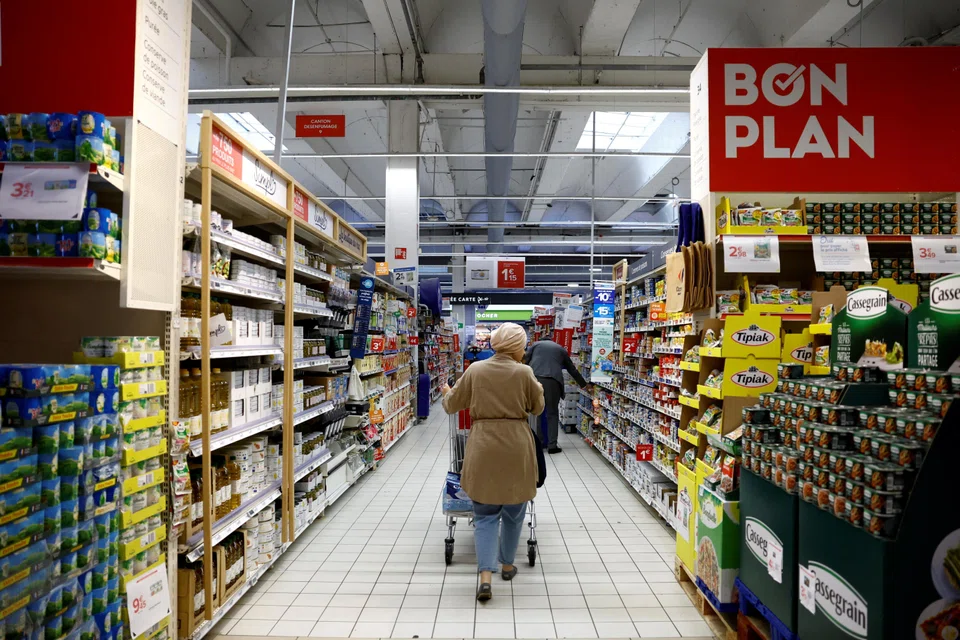
CONSUMER prices will stay higher for some time in the euro area despite an agreement to end the war in the Middle East, according to European Central Bank Governing Council member Martin Kocher.
“We have been seeing an energy price shock again with the war in the Middle East,” Kocher said at a conference in Vienna. “Hopefully the sign of this interim agreement today leads to the path of declining prices, but prices will stay higher for some time.”
The ECB is ready to act at any time to ensure inflation comes down to its 2 per cent target but there is uncertainty surrounding how the economy will react, he said.
Kocher is joining a chorus of ECB officials arguing that the euro zone’s inflation scare won’t end overnight after the US and Iran sealed a peace deal restoring oil shipments from the Middle East.
Fresh forecasts show price gains taking until 2028 to ease back to the 2 per cent target, reflecting pressures from higher selling costs and wage demands that have already built.
Last week, policymakers lifted the deposit rate by a quarter-point to 2.25 per cent in response, and economists as well as markets expect at least one additional such step by the end of the year.
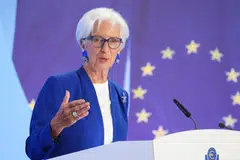
None of Kocher’s colleagues has formally committed to further tightening, but President Christine Lagarde herself stressed this week that she has to “kill inflation,” signalling the job isn’t done.
Kocher spoke alongside Kristalina Georgieva, the International Monetary Fund’s chief, who joined his warning that the cost of crude won’t drop immediately, though added that the dynamic might change next year as suppliers ramp up production.
Oil prices, inflation expectations and financial conditions warrant close monitoring, because “we are in a better place today than we were a week ago, but we’re not out of the woods,” Georgieva said.

She called on the ECB to “be determined to follow the data and be prepared to act if necessary” following last week’s rate hike.
“We believe that was the right decision to take because inflation has already gone up,” Georgieva said. “Would it be necessary to take action again? Is to be seen.”
The IMF said just hours after the ECB raised rates a week ago that officials must hike at least once more to keep the inflation shock contained.
The nudge came with updated projections that showed faster price gains and weaker growth than previously predicted, as well as a rebuke of broad-based fiscal measures to cushion households and businesses from the energy shock. BLOOMBERG
Decoding Asia newsletter: your guide to navigating Asia in a new global order. Sign up here to get Decoding Asia newsletter. Delivered to your inbox. Free.
Share with us your feedback on BT's products and services